

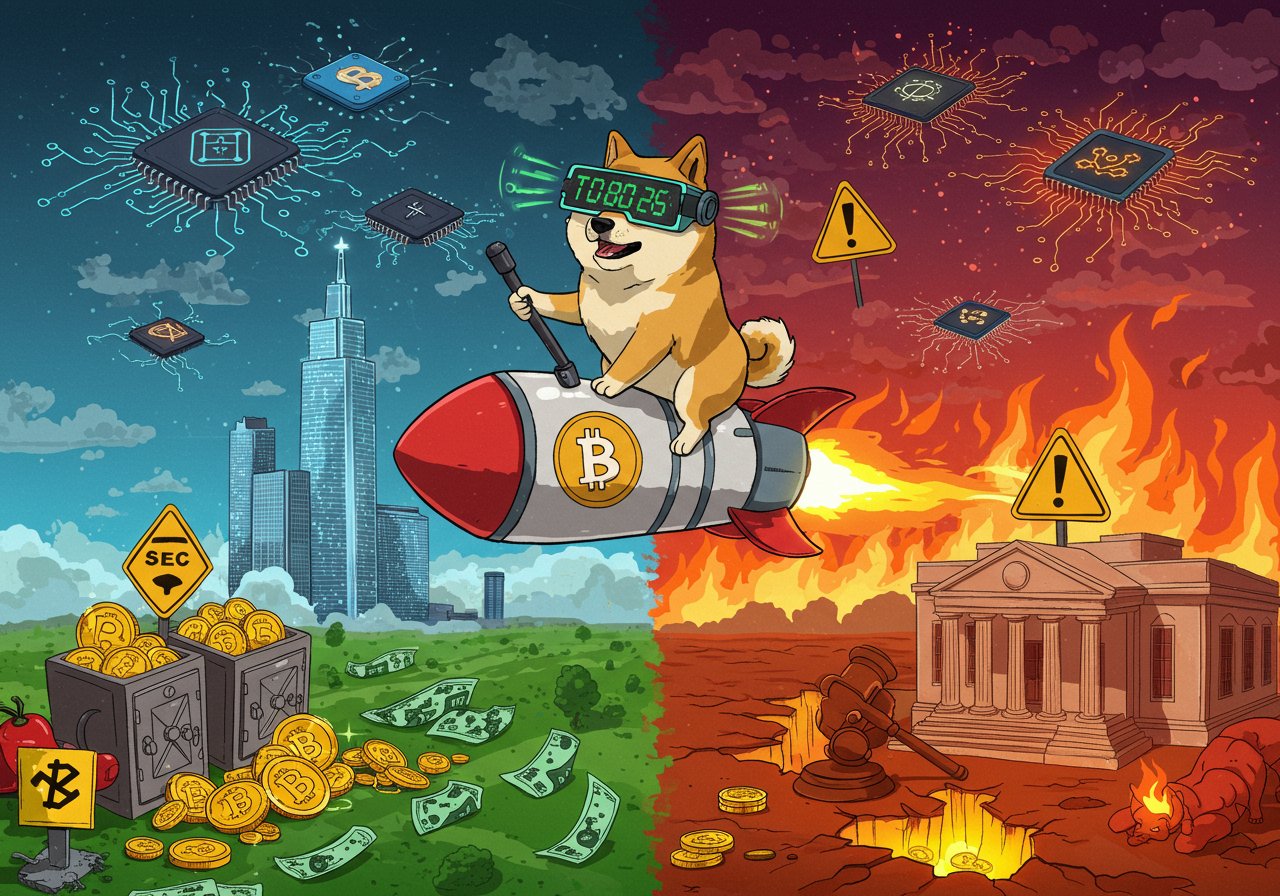
TDOG: A New Way to Ride the Dogecoin Wave?
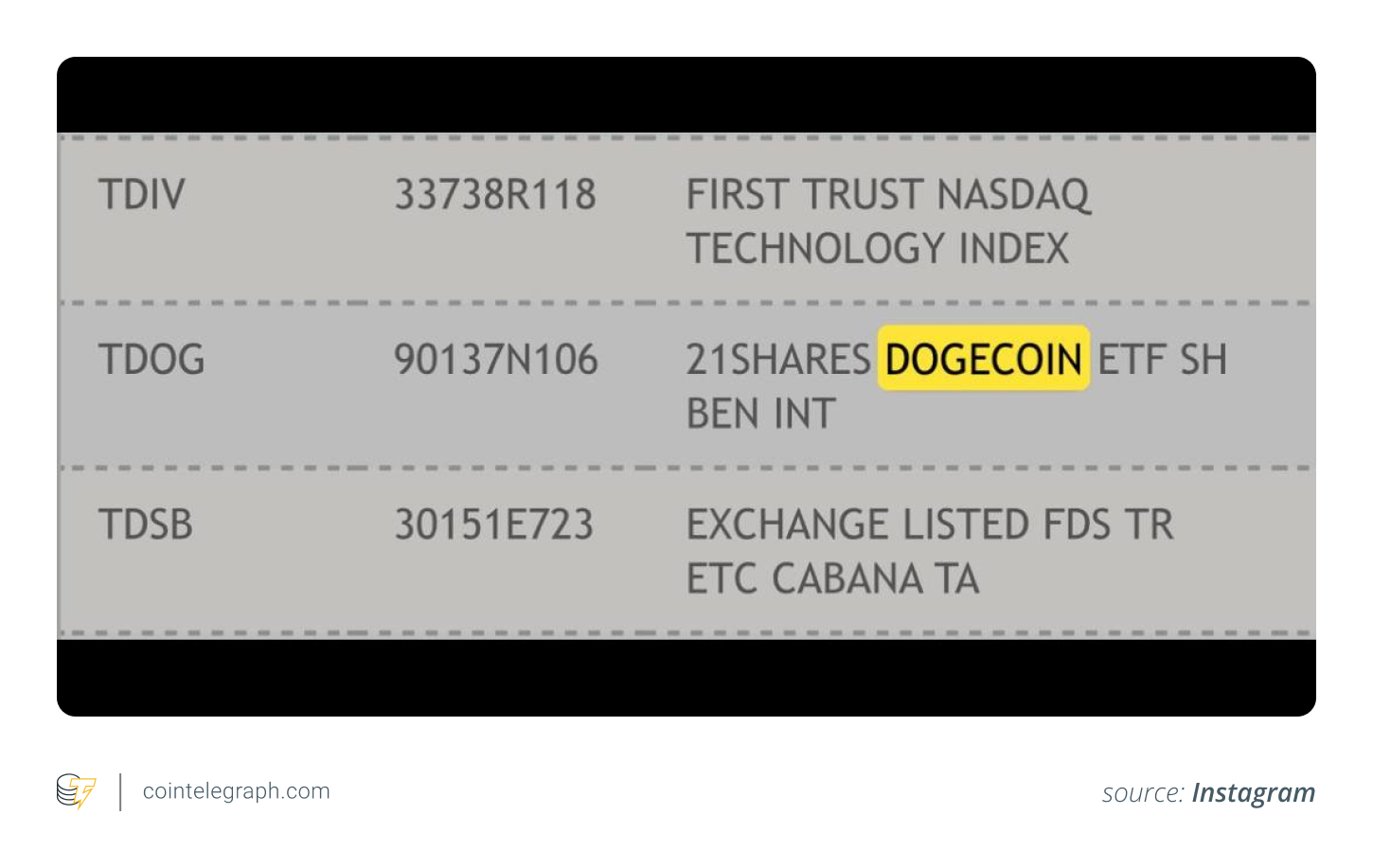
The crypto landscape is constantly evolving, and the introduction of new investment vehicles is a testament to that. Among the latest developments is 21Shares‘ proposed Dogecoin exchange-traded fund, or TDOG, which has recently appeared on the Depository Trust and Clearing Corporation’s (DTCC) Active and Pre-Launch list. While this doesn’t signify immediate trading, it indicates preparations are underway, setting the stage for a potential new avenue for investors seeking exposure to the popular meme coin.
Understanding TDOG‘s Structure and Mechanics
TDOG, if approved, would operate as a physically-backed trust, meaning it would hold Dogecoin directly. The shares issued by the fund are designed to track the price of DOGE, minus fees. The fund will calculate its daily Net Asset Value (NAV) using a multi-exchange Dogecoin price index, giving investors a clear benchmark. During market hours, an intraday indicative value is published, allowing traders to gauge how the share price aligns with the underlying asset’s value. This is crucial for price discovery and ensuring the fund closely mirrors Dogecoin‘s market movements.
The creation and redemption process for TDOG shares will generally involve cash transactions with authorized participants (APs). These APs will typically provide cash, which the sponsor then uses to purchase DOGE, transferring it to Coinbase Custody Trust Company for safekeeping. Conversely, redemptions involve the reverse process. This mechanism, along with arbitrage opportunities for market makers, is designed to keep the share price closely aligned with the NAV, although some intraday discrepancies may still arise.
The Fine Print: Fees and Regulatory Hurdles
It’s vital to note a few key details. Firstly, the sponsor fee for TDOG is paid “in kind”, meaning it’s deducted in Dogecoin itself. This implies that the amount of DOGE backing each share will gradually decrease over time, even if the share price follows Dogecoin‘s market value. Secondly, TDOG‘s launch is contingent on approvals from the U.S. Securities and Exchange Commission (SEC). Specifically, the S-1 filing must be declared effective and Nasdaq’s 19b-4 filing (or generic listing) must clear to allow the shares to be listed. The DTCC listing merely signals operational readiness, not regulatory clearance.
TDOG vs. DOJE: Comparing Dogecoin Investment Vehicles
The potential arrival of TDOG introduces another option for investors, alongside the existing REX-Osprey DOGE ETF (DOJE). Both offer a way to invest in Dogecoin without directly holding the cryptocurrency, but they differ in structure and strategy. DOJE is a 1940-act ETF that holds spot DOGE alongside DOGE-linked instruments. TDOG, however, is designed as a commodity-based trust holding DOGE directly. DOJE is already trading on Cboe with a 1.5% expense ratio, offering investors immediate access, while TDOG is still awaiting regulatory approval.
Weighing the Pros and Cons: Direct Ownership vs. ETF Convenience
Investing in TDOG, if approved, offers convenience and accessibility through traditional brokerage accounts. You avoid the complexities of managing wallets and seed phrases. However, it’s important to weigh the benefits with potential drawbacks. TDOG investors will incur fees, which are subtracted from the fund’s DOGE holdings, as the value of Dogecoin backing each share decreases over time. Additionally, you cede on-chain control of your Dogecoin and rely on counterparties for custody and execution.
Directly buying and holding DOGE gives you full on-chain control, enabling participation in the Dogecoin ecosystem and its utilities, such as tipping. Yet, you take on the responsibility of securing your holdings and managing your own wallets and exchange interactions.
Ultimately, the best choice depends on your individual investment strategy, risk tolerance, and what you value most: the convenience of a brokerage account or direct control over your digital assets.

