

A Plea for Liberty: The Samourai Wallet Developers’ Case
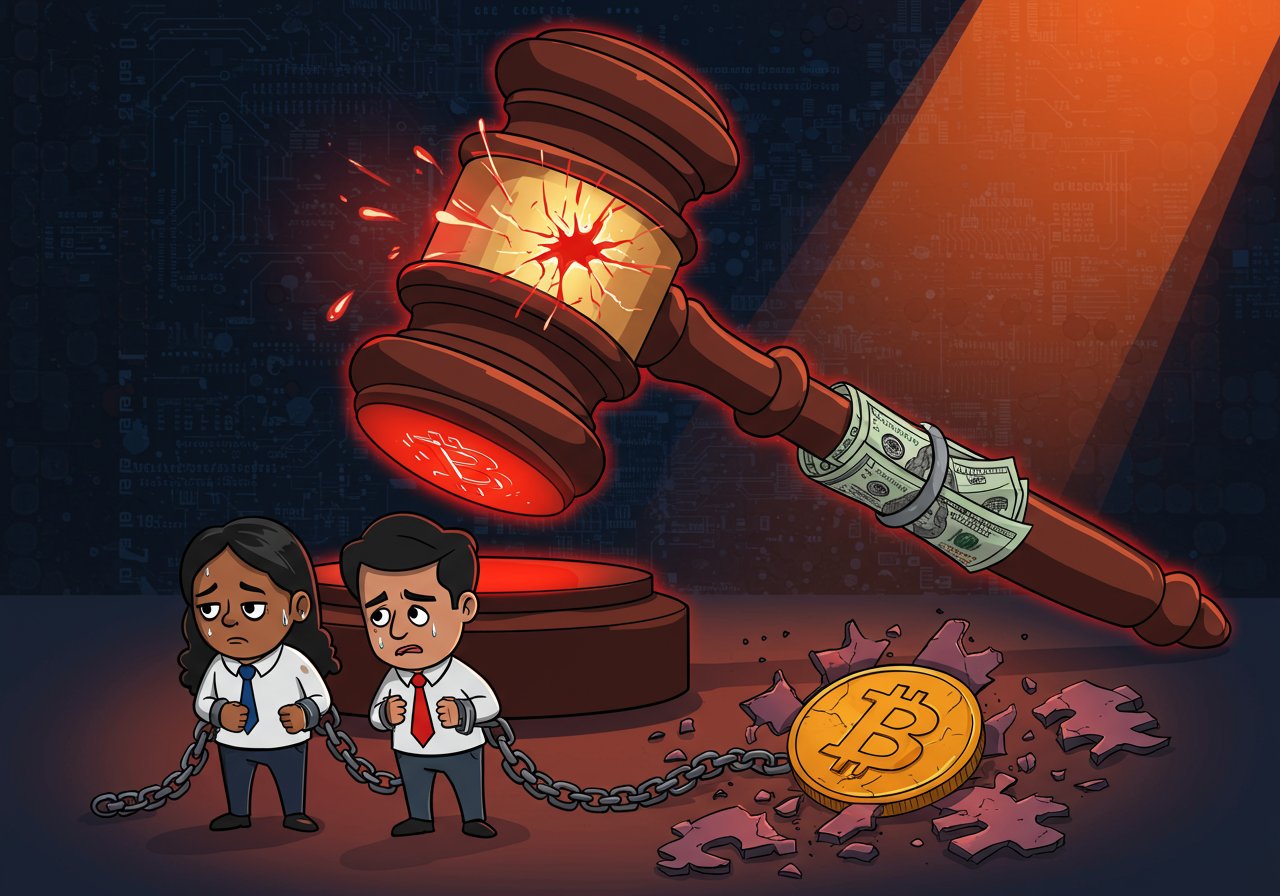
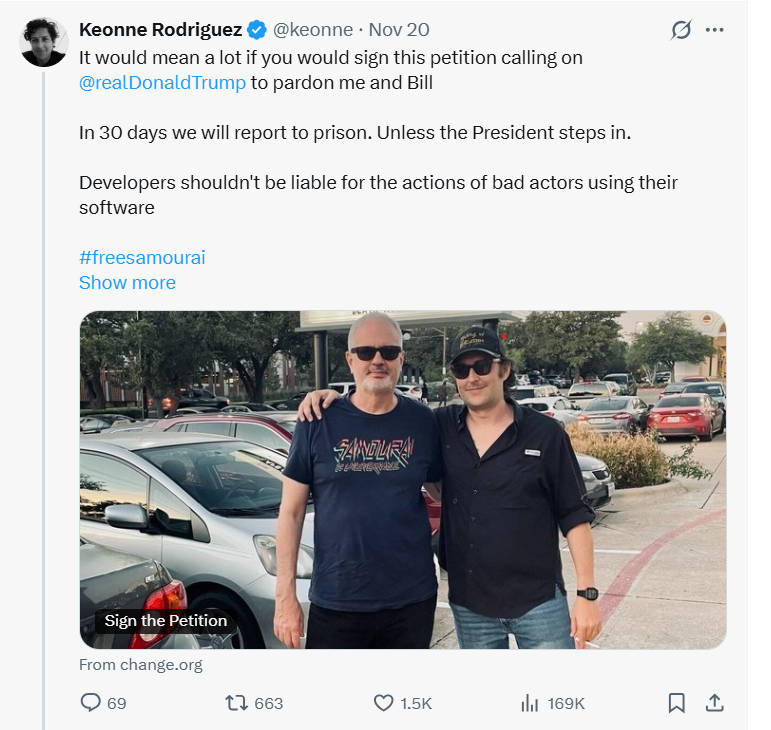
The digital currency world is abuzz with calls for a presidential pardon, not for a Wall Street titan, but for the developers behind Samourai Wallet, a Bitcoin privacy tool. Keonne Rodriguez and William Lonergan Hill, the individuals behind the popular wallet, were recently sentenced to prison terms of five and four years, respectively, after pleading guilty to charges related to operating an unlicensed money-transmitting business. Now, as the clock ticks towards their imprisonment in early January 2026, the Bitcoin community and key advocacy groups are rallying for a reprieve.
The Bitcoin Policy Institute‘s Argument for Clemency
The Bitcoin Policy Institute (BPI) has been particularly vocal in its support for a pardon. They argue that the prosecution of Rodriguez and Hill represents a dangerous misapplication of federal money-transmission law, particularly in the context of non-custodial software. BPI contends that holding the developers accountable as money transmitters blurs the critical legal line between software publishers and financial intermediaries. Such a precedent, they believe, could have a chilling effect on innovation in privacy-focused Bitcoin tools within the United States. Their core argument centers on the principle that publishing non-custodial software shouldn’t be a criminal act.
Community Support and Political Maneuvering
The call for a pardon is gaining significant traction, fueled by a petition that has already garnered over 3,200 signatures. Prominent figures within the Bitcoin ecosystem, including Max Keiser and Walker America, have added their voices, actively appealing to former President Donald Trump to intervene. The focus highlights the potential for this case to set a dangerous precedent, potentially impacting the development and accessibility of privacy-enhancing technologies within the Bitcoin space. The case is now a subject of intense scrutiny, with many believing it is a defining moment for the future of Bitcoin development.
The Shadow of Pardons and Perceived Inconsistencies
While the prospect of a pardon offers a glimmer of hope, it also raises complex questions regarding the application of justice within the crypto landscape. Trump has a history of pardons that touch upon crypto, which brings an interesting layer to the situation. Some observers point to apparent inconsistencies in the application of clemency. The situation is drawing comparisons, with some arguing for a more equitable approach to justice within the Bitcoin industry. These dynamics could influence public perception and create tension, casting doubt on the fairness of the legal system’s operations.
Looking Ahead: The Stakes for Bitcoin Privacy
The coming weeks will be pivotal. The outcome of the Samourai developers’ case is not only about the fate of two individuals, but also about the future of privacy-focused development in the United States. The situation is a stark reminder of the challenges faced by those who strive to enhance privacy in the digital age. The debate touches on fundamental questions about the balance between financial regulations, technological innovation, and individual liberties. As the legal battle continues, the Bitcoin community is keenly watching the situation and waiting to see what unfolds.
The debate touches on fundamental questions about the balance between financial regulations, technological innovation, and individual liberties.

