

PEPE‘s Genesis: A Closer Look at the Token’s Launch
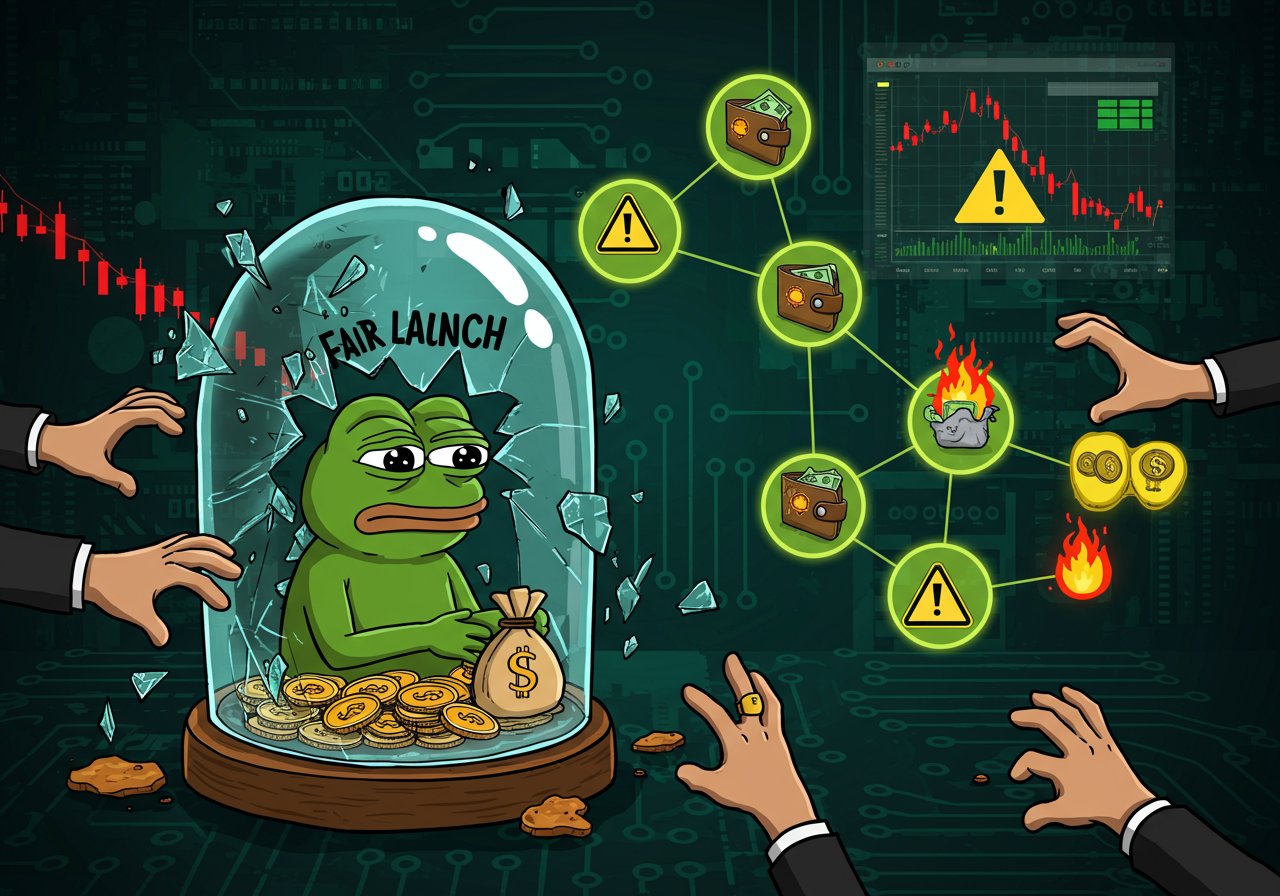
The memecoin craze continues to churn, and with it, scrutiny surrounding project launches. Blockchain data visualization platform Bubblemaps has cast a shadow of doubt over the “for the people” narrative surrounding the Pepe (PEPE) token, alleging significant concentration of the initial supply. This analysis suggests that the token’s genesis may not have been as decentralized as initially presented, raising questions about the project’s origins and potential insider activity.

Bubblemaps‘ Findings: Concentration and Early Selling
Bubblemaps‘ investigation, leveraging its Time Travel feature, indicates that approximately 30% of the initial PEPE supply was bundled at launch in April 2023. The platform’s analysis further revealed that the wallets associated with this concentrated holding sold approximately $2 million worth of PEPE tokens shortly after launch. This early selling pressure arguably contributed to hindering the token’s price trajectory, preventing it from reaching higher valuations. The team at Bubblemaps suggests investors were “lied to”, highlighting the discrepancy between the token’s stated ethos and its actual distribution.
The Implications of Centralized Supply
The concentration of a substantial portion of the genesis supply into a few wallets raises several concerns. It contradicts the meme coin’s initial branding as a community-driven project. A concentrated supply can be a red flag, potentially indicating insider pre-mining or early accumulation, which can negatively impact retail investors. This control enables those with significant holdings to exert considerable influence over price movements, increasing the risk of manipulation and potential “rug pulls.”
Pepe‘s Price Performance and Past Issues
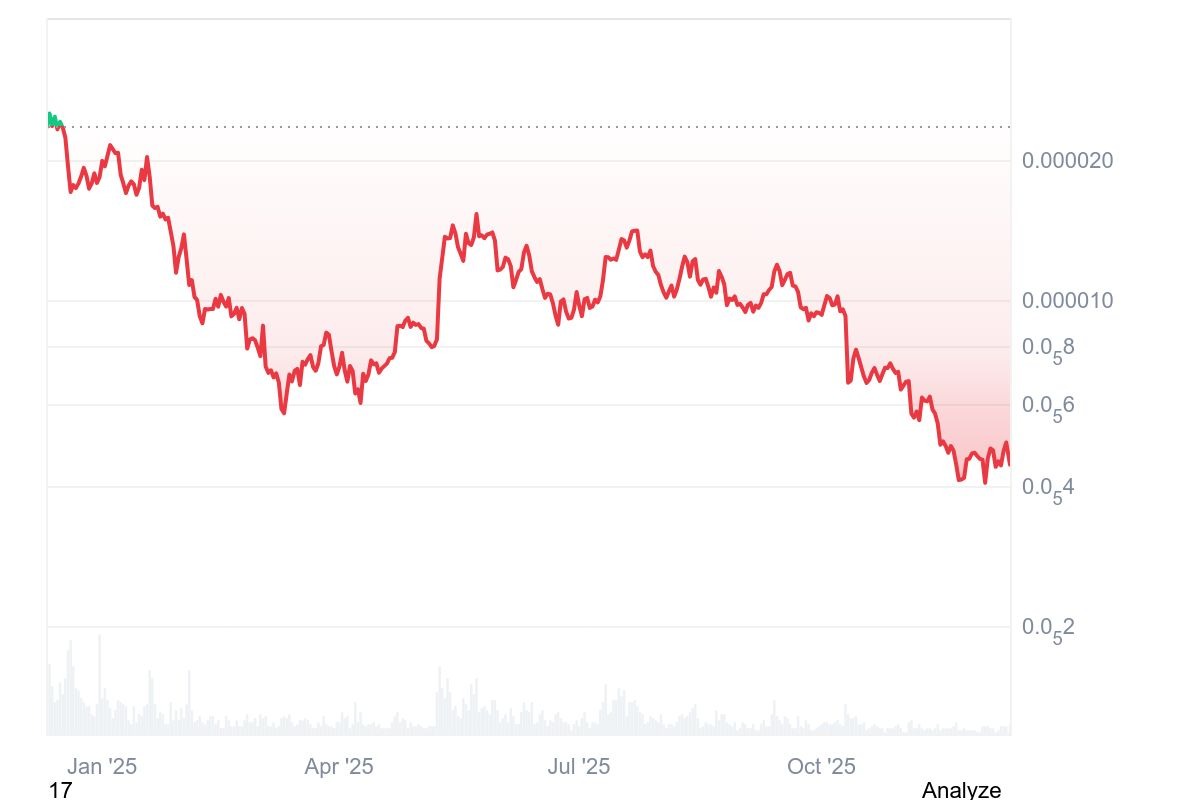
This news comes at a time when PEPE‘s price has been experiencing volatility. CoinMarketCap data indicates a 5.7% decline in the last 24 hours. The token is down over 81% in the past year, reflecting the inherent risks associated with memecoins. Adding to the negative sentiment, PEPE‘s website was recently exploited, temporarily redirecting users to a malicious phishing site. Despite these issues, some traders have still managed to profit handsomely from the memecoin, but these instances are often overshadowed by the larger risks.
Bubblemaps and the Fight Against Memecoin Scams
Bubblemaps‘ role extends beyond simple data visualization; it has emerged as a crucial tool in identifying potentially fraudulent practices within the crypto space. The platform’s Time Travel feature allows users to dissect token distributions and identify red flags indicative of rug pulls or other malicious activities. Bubblemaps played a key role in uncovering suspicious wallet activity related to multiple memecoins in the past.
The revelations surrounding PEPE underscore the importance of due diligence in the memecoin market. While the allure of quick gains can be strong, investors must be vigilant and aware of the risks involved, paying close attention to token distribution, project transparency, and the potential for insider influence.

