2026: A Year of Transformation for Crypto Regulations
The year 2026 marks a pivotal moment for the cryptocurrency landscape, with significant regulatory shifts occurring across the globe. Investors and users alike need to stay informed as countries like the United States, the United Kingdom, and those in the Asia-Pacific (APAC) region implement new policies that will reshape how digital assets are used, traded, and taxed.
United States: Banking, Stablecoins, and Taxation
In the US, the regulatory environment is undergoing a notable evolution. The Federal Deposit Insurance Corporation (FDIC) is proposing a framework for banks to issue dollar-pegged stablecoins. Under the GENIUS stablecoin framework, banks will need to establish subsidiaries and undergo rigorous audits to ensure financial soundness. Simultaneously, the Federal Reserve has lifted restrictions on banks’ involvement in crypto activities, potentially enabling them to offer custody services and other crypto-related products.
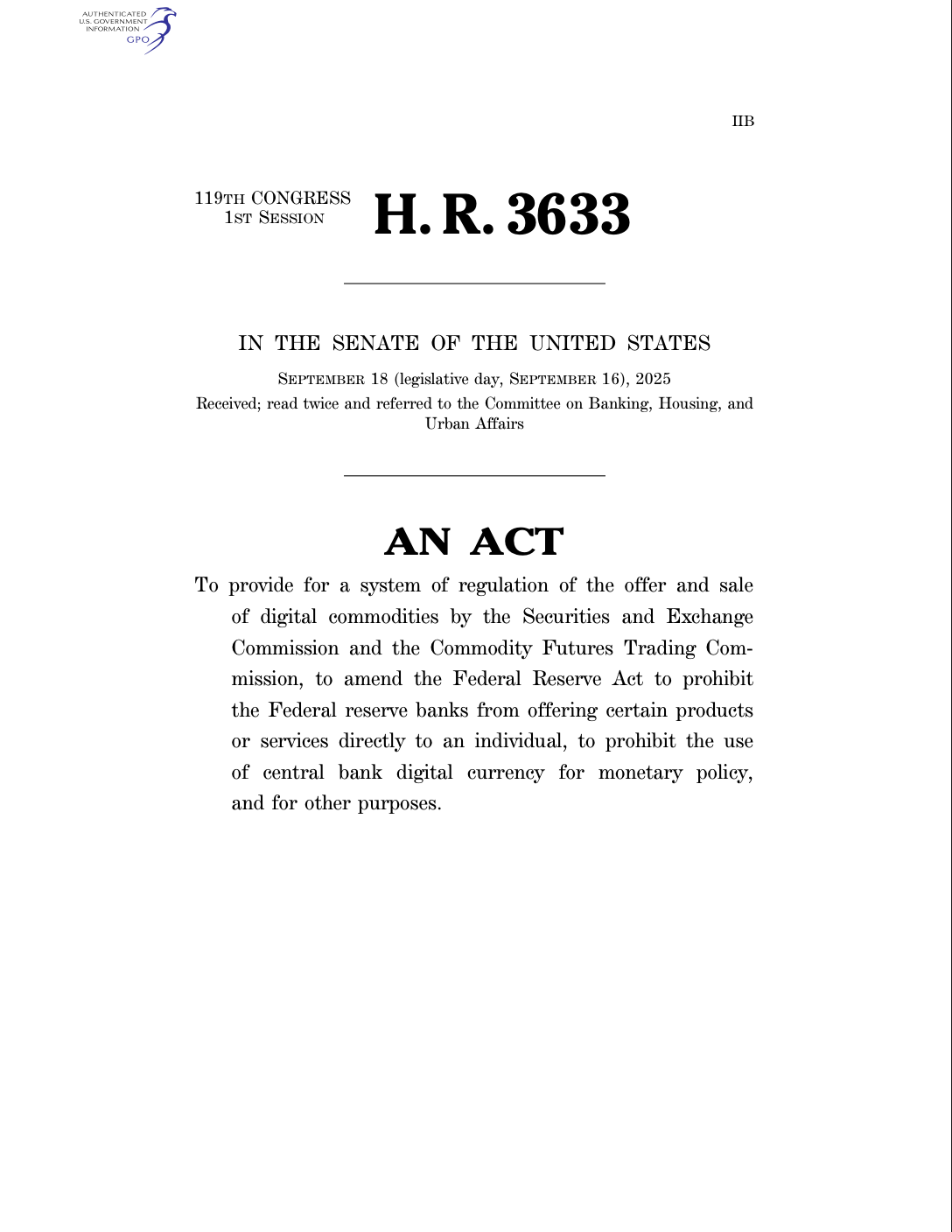
Crucially, the CLARITY Act is expected to be passed, providing a comprehensive regulatory framework that addresses taxation, asset classification, and issuance guidelines.
Regarding taxes, the rules remain as existing at the beginning of 2026, with digital assets taxed as ordinary income upon sale or swap. Investors holding assets for over a year can expect a 0-20% tax rate, while shorter-term holdings are taxed at 10-37%. A key aspect of this involves centralized exchanges and service providers being required to report the cost basis of digital assets to the IRS, improving transparency and accountability.
United Kingdom: Finalizing the Regulatory Framework
The UK is set to finalize its regulatory framework for the crypto industry in 2026. The Financial Conduct Authority (FCA) is expected to publish its definitive rules, which will incorporate anti-money laundering (AML) and Know Your Customer (KYC) measures, aligning them with the standards of traditional financial markets. Consumer protections and licensing requirements for digital asset service providers will also be introduced.
Furthermore, the UK, alongside the EU, is implementing the Crypto-Asset Reporting Framework (CARF). This framework standardizes data collection from crypto exchanges to enhance tax reporting. Under CARF, exchanges will be obligated to gather extensive customer data and submit annual reports to tax authorities, facilitating information exchange with foreign counterparts via existing agreements.
Asia-Pacific Region: Diverse Approaches
The APAC region showcases a mixed bag of regulatory approaches. In Hong Kong, lawmakers are advancing a stablecoin regulatory bill, which is expected to become law in 2026. This move will establish a comprehensive framework for stablecoins within the region, offering a regulated environment for investors. Conversely, China‘s central government has seemingly reversed course on crypto policy and stablecoin regulations, issuing another ban on crypto activities in December. Instead, China is prioritizing the development of its digital yuan (CBDC), with initiatives like allowing commercial banks to pay interest to digital yuan holders to expand its functionality.
Implications for Crypto Users
These regulatory changes will have a profound impact on crypto users. Compliance will become increasingly important, and users must stay informed about the evolving legal landscape in their respective regions. Furthermore, the regulatory environment is dynamic. As the industry matures, stakeholders should anticipate further modifications in policy.
“The future of crypto hinges on navigating these regulatory hurdles. Knowledge is power, and staying informed is paramount for crypto users worldwide.”