Navigating the Crypto Regulatory Maze: Senate Bill Under Scrutiny
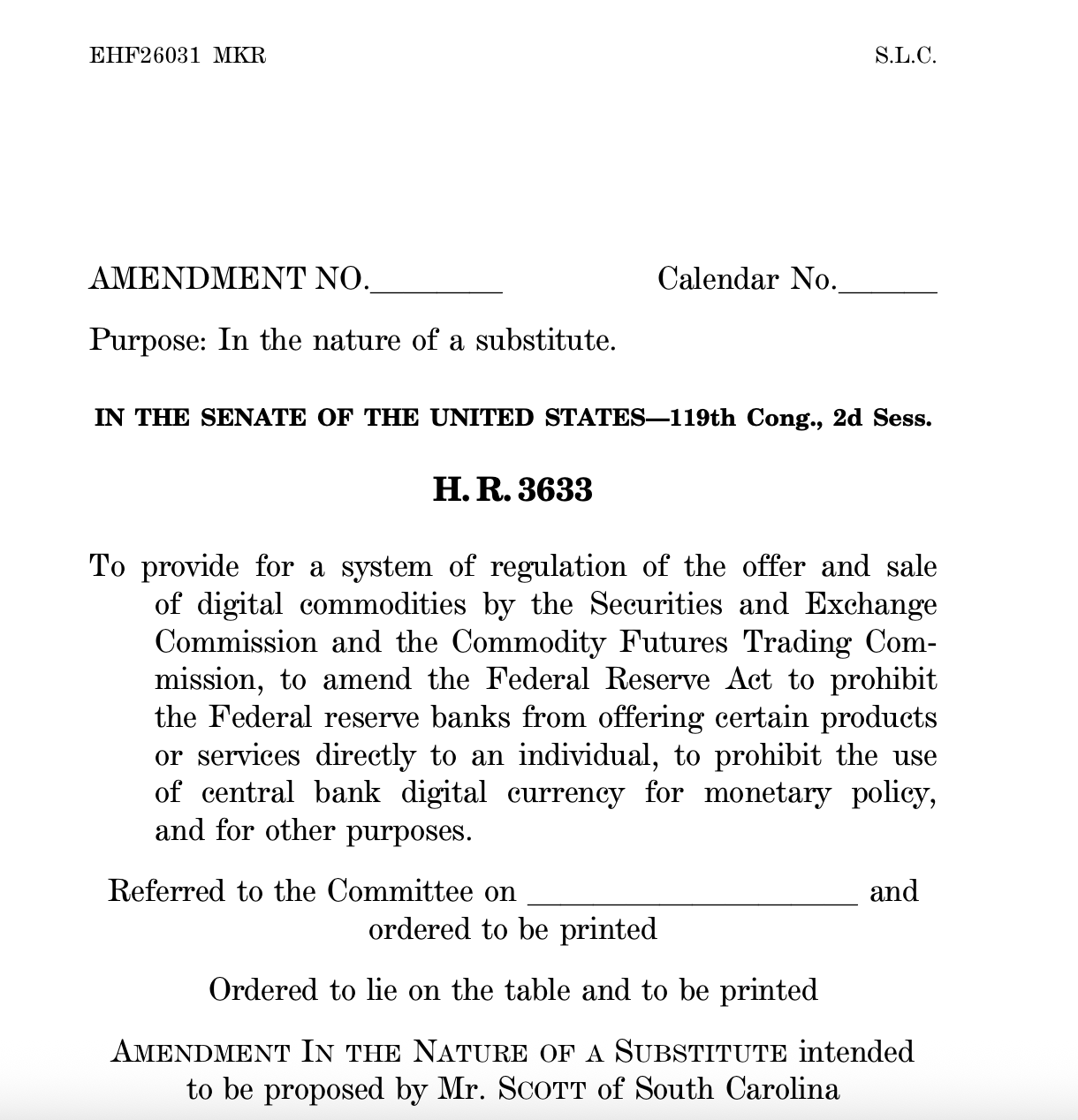
The US Senate’s ambitious crypto market structure bill, the Digital Asset Market Clarity Act, is currently undergoing intense scrutiny. As lawmakers prepare to refine the legislation, the industry is closely monitoring proposed changes, particularly those concerning stablecoin rewards. These provisions have the potential to reshape how stablecoins function within the digital asset ecosystem and the broader financial landscape. The bill’s evolution reflects a complex balancing act between fostering innovation and addressing the concerns of traditional banking institutions.

Stablecoin Rewards: A Point of Contention
At the heart of the debate lies the issue of stablecoin rewards. The current draft of the bill aims to restrict passive, deposit-like returns on stablecoin balances. This move is largely driven by lobbying efforts from banking groups, concerned about the competitive threat posed by stablecoins offering interest. However, the bill does acknowledge the role of structured reward mechanisms, allowing for stablecoin rewards in certain contexts, such as providing liquidity or participating in governance and staking activities.
The Delicate Balance: Industry Demands and Bank Resistance
Industry analysts note that lawmakers are attempting to strike a delicate balance between catering to the industry’s demand for yield flexibility and appeasing banks resistant to the encroachment of stablecoins into their domain. This balancing act highlights the complex interplay of interests at play, as policymakers seek to craft regulations that encourage innovation while mitigating potential risks.
The legislative framework also needs to contend with the potential impact of the upcoming US midterm elections. The shifting political landscape could influence the bill’s trajectory and timeline.
Potential Implications and Future Outlook
The outcomes of the Senate’s deliberations have significant implications for the future of stablecoins. If the bill passes with restrictive provisions on rewards, it could limit the appeal of stablecoins as an investment vehicle. Conversely, if more flexibility is permitted, stablecoins could continue to thrive as a competitor to traditional bank deposits.
- DeFi Impact: Regulations will affect the use of stablecoins in decentralized finance (DeFi) platforms.
- Market Competition: The competitive landscape between traditional banks and crypto companies is set to change.
- Investor Sentiment: Potential impacts on how investors perceive the attractiveness of stablecoins.
The passage of the bill will also establish a regulatory framework for the Securities and Exchange Commission (SEC) and the Commodity Futures Trading Commission (CFTC) in overseeing digital assets. It remains to be seen how this bill will shape the future of crypto in the US.