Kazakhstan‘s Crypto Gamble: Central Bank Takes the Reins
In a move that sends ripples through the cryptocurrency world, Kazakhstan‘s President Kassym-Jomart Tokayev has signed legislation that significantly alters the country’s approach to digital assets. The new laws grant the National Bank of Kazakhstan (NBK) considerable power, effectively determining which cryptocurrencies can be traded on licensed exchanges within the country. This regulatory shift marks a pivotal moment in Kazakhstan‘s ambition to become a regional hub for the crypto industry, while also signaling a potential tightening of the reins on digital asset activity.

Key Provisions and Implications
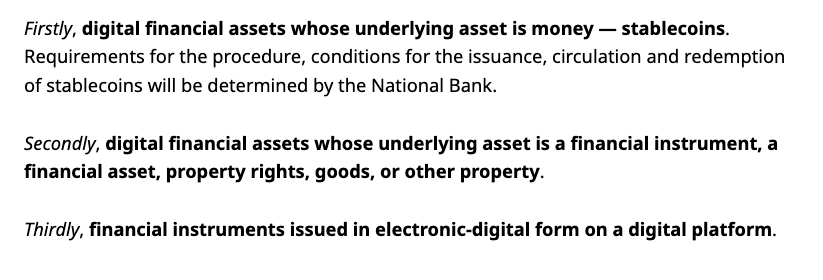
The legislation introduces a framework for regulating digital assets, classifying them into distinct categories. This includes stablecoins, assets backed by financial instruments and property, and financial instruments issued in electronic digital form. However, the most impactful aspect for traders and investors is the NBK’s authority to approve cryptocurrencies for circulation and set trading activity limits on regulated platforms. This means that only those cryptocurrencies sanctioned by the central bank will be available for trading on licensed exchanges. This move is designed to offer a form of investor protection, by only permitting trading of assets that meet the standards of the central bank, whilst also limiting the range of options.
Licensed Exchanges and DFA Issuers
The new regulations necessitate the licensing of cryptocurrency exchange organizations, with the NBK overseeing their operations. Furthermore, the legislation establishes the role of new digital platform operators, acting as Digital Financial Asset (DFA) issuers. These operators will also be required to obtain licenses from the central bank. DFAs, excluding stablecoins, will be subject to stringent requirements mirroring those applied to traditional financial instruments, including rigorous risk management protocols, detailed information disclosure mandates, and robust investor protection measures.
The primary aim, according to the government, is to protect investors. By establishing a whitelist of approved crypto assets and imposing limits and restrictions on exchange operations, the NBK hopes to mitigate risks associated with the volatile nature of cryptocurrencies. However, this level of control also raises questions about market accessibility and the potential impact on innovation. Will this cautious approach stifle the growth of the Kazakh crypto market or, by providing more secure trading, will it actually foster it?
Kazakhstan‘s embrace of cryptocurrency is not new. The nation has been actively exploring the potential of stablecoin payments, witnessing the launch of Bitcoin exchange-traded funds in 2025. This recent legislation is consistent with its broader goals to become a leading player in the digital asset space. While this decision to restrict the tradable coins might be seen as a challenge for some, this move to carefully control the crypto landscape is part of a plan to establish Kazakhstan as a reliable and secure environment for digital asset trading. It remains to be seen how this new framework will influence both domestic and international investors and how this approach will align with Kazakhstan’s regional aspirations.