


SEC Submissions Fuel Debate on Crypto Regulation
The United States Securities and Exchange Commission (SEC) is once again in the spotlight as it grapples with the complexities of regulating the burgeoning cryptocurrency market. Recent submissions to the SEC’s Crypto Task Force “Written Input” page highlight critical areas of concern: self-custody rights and the regulation of decentralized finance (DeFi).
These filings, arriving amidst ongoing negotiations regarding the federal crypto market structure bill, CLARITY, underscore the high stakes involved. The debate centers on balancing investor protection with fostering innovation within the crypto space. The SEC‘s actions, and the industry’s response, will significantly shape the future of digital assets.
Self-Custody Rights Under Scrutiny
One of the new submissions, originating from “DK Willard” and focusing on Louisiana retail users, emphasizes the importance of preserving self-custody rights. This submission references state law HB 488, which affirms Louisiana residents’ right to control their digital assets. It also calls for federal crypto market structure legislation to maintain strong registration, transparency, and measures against fraud and manipulation. A key concern raised is the potential for exemptions in federal proposals that could allow developers and platforms to bypass core investor protection obligations, thus increasing consumer risks.
This push for self-custody protections resonates with broader concerns within the crypto community regarding the potential overreach of regulatory bodies. The ability to control one’s own private keys is a cornerstone of the decentralized ethos, and any regulations that impinge on this right are likely to be met with resistance.
DeFi‘s Regulatory Crossroads
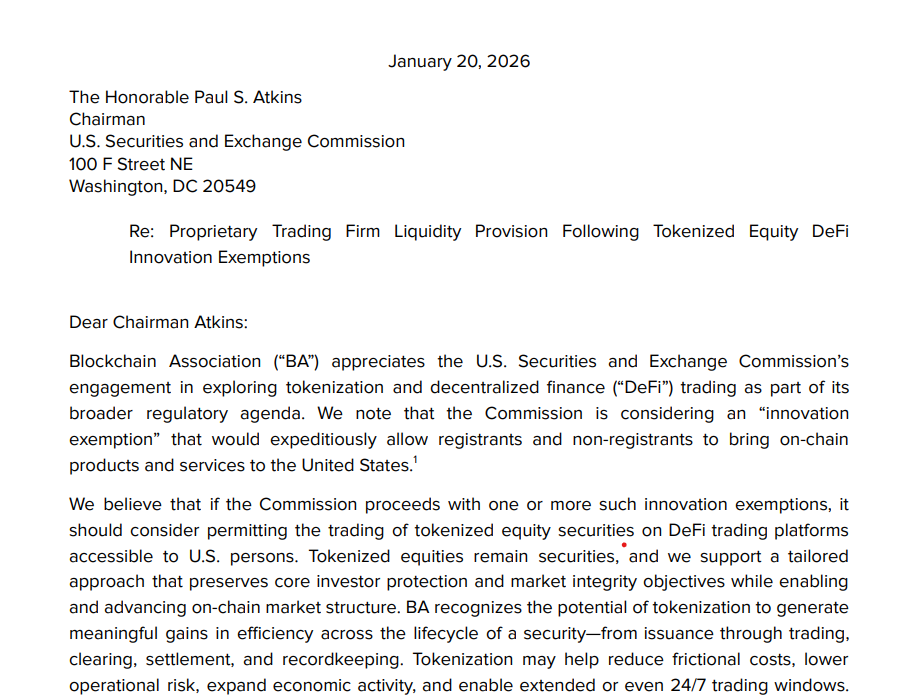
The Blockchain Association Trading Firm Working Group’s submission takes aim at the application of existing dealer rules to tokenized equity markets. They argue that firms trading tokenized equities and DeFi assets solely for their own accounts, without customer solicitation or custody, should not automatically be classified as “dealers” and subject to stringent registration requirements under the Exchange Act. The group highlights the need for a nuanced approach, recognizing that broker-dealer rules were originally designed for traditional markets and may require adaptation for the unique aspects of smart contract settlement.
The regulatory challenges surrounding DeFi are significant. The decentralized nature of these platforms creates complexities for enforcement and oversight, making it difficult to apply traditional financial regulations effectively. The SEC must find a balance that protects investors without stifling innovation.
Industry and Regulatory Dialogue
The submissions arrive as the CLARITY market structure bill continues to evolve in Congress. Senior White House crypto advisor Patrick Witt has urged the industry to embrace compromise to achieve legislative success, particularly while Republicans retain control. This highlights the pressures on both sides. Speaking from Davos, Coinbase CEO Brian Armstrong acknowledged the progress made toward advancing the CLARITY bill, indicating a desire to reach a consensus that benefits all stakeholders.
The ongoing dialogue between industry leaders, regulators, and lawmakers is critical. The crypto market is rapidly evolving, demanding that regulatory frameworks remain nimble and adaptive. The submissions to the SEC represent essential voices in shaping the future of crypto regulation, underscoring the urgent need for clarity and balanced policies.

