

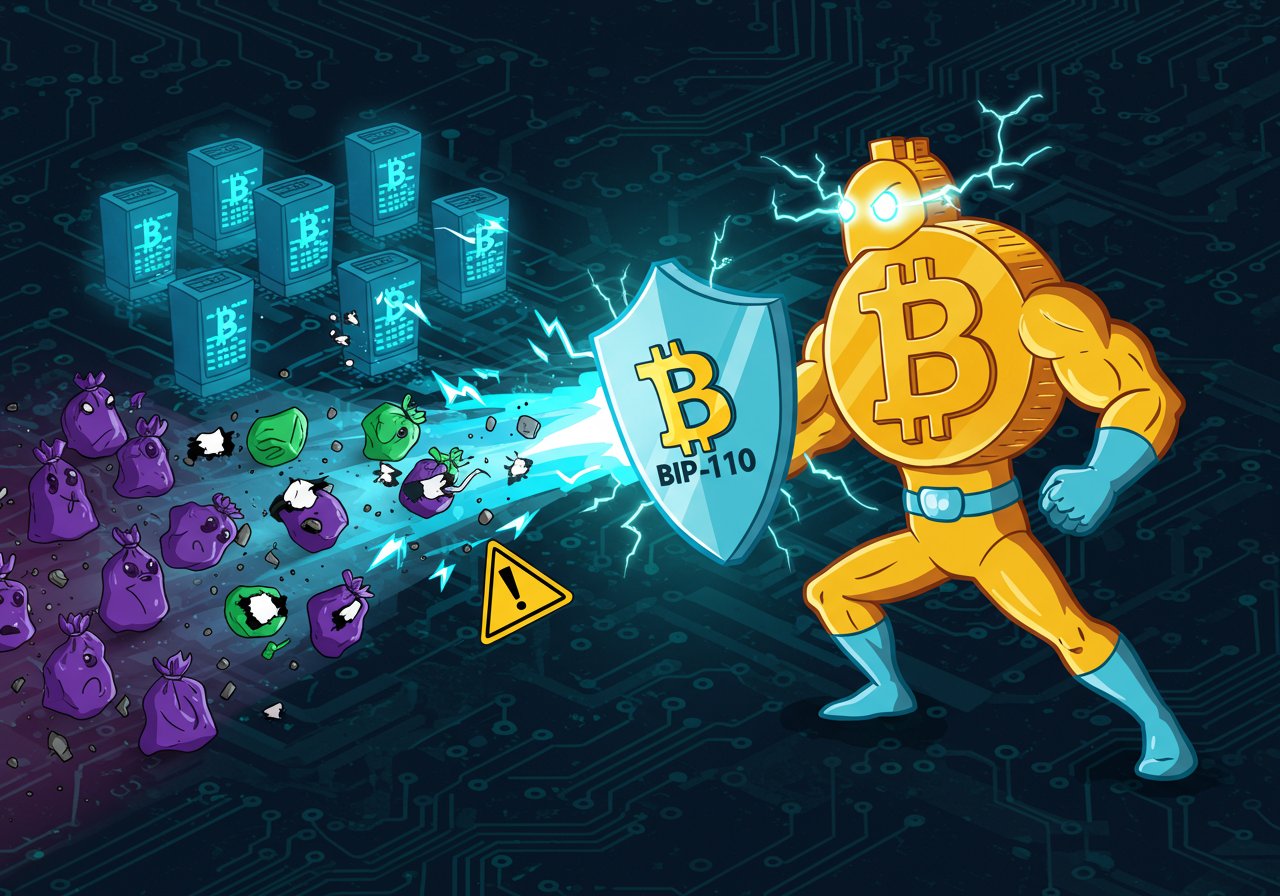
Bitcoin Nodes Embrace BIP-110 Amidst Spam Concerns
The Bitcoin network is currently witnessing a critical development in its ongoing struggle against transaction spam. Bitcoin Improvement Proposal 110 (BIP-110), a soft fork designed to limit the amount of arbitrary data included in transactions, has seen its adoption rate climb, with over 2% of nodes now signaling support. This surge in adoption signifies a heightened awareness and concern within the Bitcoin community regarding the potential for network congestion and increased operational costs due to non-monetary transactions.

Understanding the Spam Threat
The core issue revolves around the `OP_RETURN` function, which allows users to embed arbitrary data within Bitcoin transactions. While this feature offers some utility, it has also become a target for spammers seeking to exploit the network. By flooding the blockchain with excessive data, spammers can inflate the size of the blockchain, increase storage requirements for node operators, and potentially drive up transaction fees for legitimate users. This ultimately threatens Bitcoin’s core principles of decentralization and accessibility.
BIP-110: A Temporary Solution
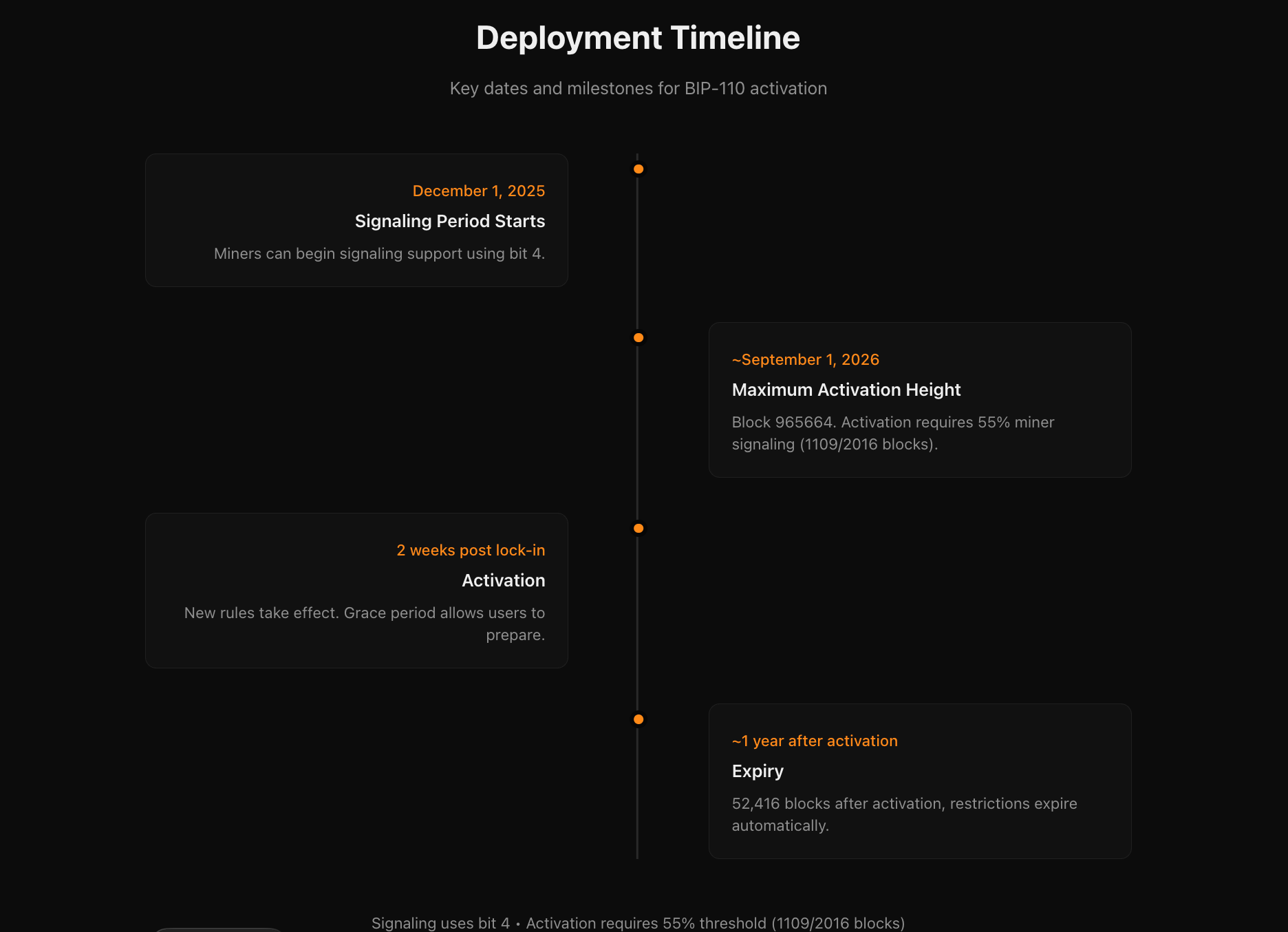
BIP-110 proposes a temporary solution to mitigate the spam problem. It sets limits on both the size of transaction outputs and the amount of data allowed in `OP_RETURN` scripts. The soft fork is intended to be deployed for a year, with the possibility of extension or modification after the initial term. Currently, Bitcoin Knots is the primary software implementation for running this soft fork, and its adoption rate is a critical indicator of its potential impact.
Differing Perspectives Within the Community
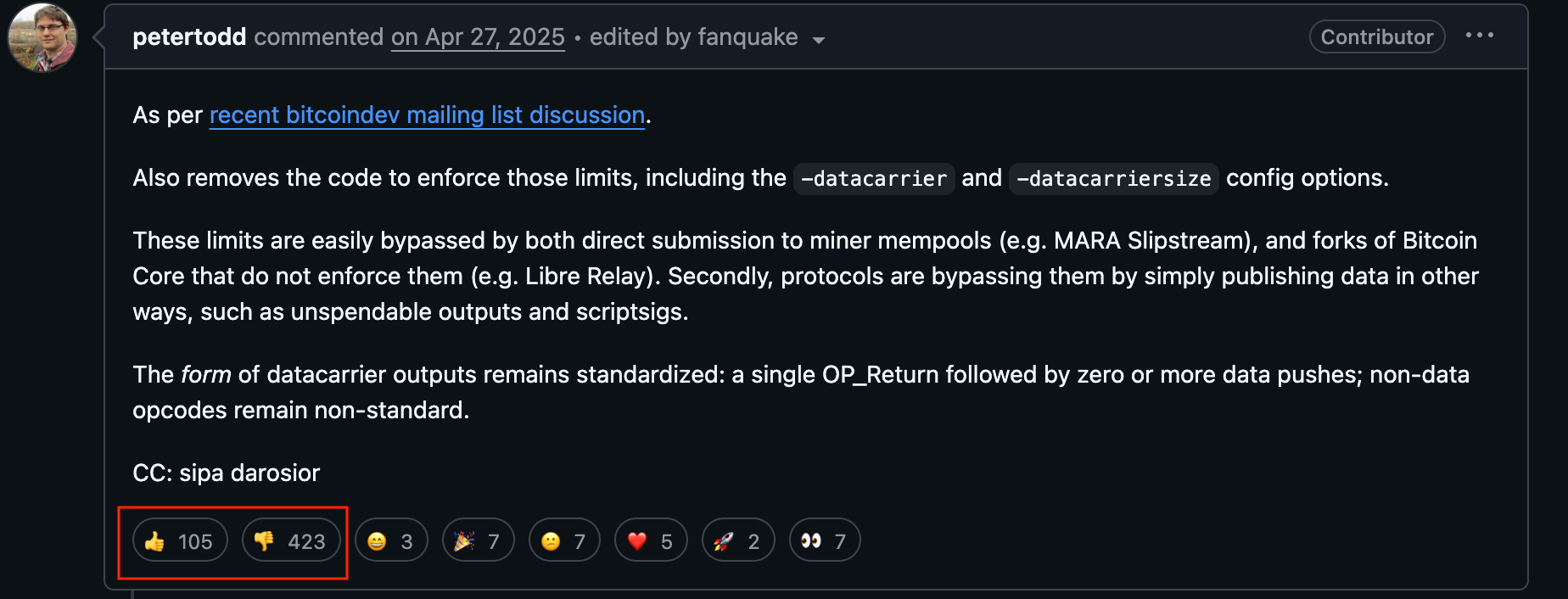
The issue of arbitrary data and spam has created divisions within the Bitcoin community. Some, like Bitcoin advocate Matthew Kratter, view spam as a parasitic threat that can undermine the network’s structural integrity. Conversely, others, such as Jameson Lopp, believe that filtering spam is ineffective. These contrasting viewpoints highlight the complexities of navigating the trade-offs between innovation, security, and decentralization.
Implications and Future Outlook
The increasing support for BIP-110 suggests a growing consensus on the urgency of addressing the spam issue. While the soft fork is temporary, it provides a crucial testing ground for assessing the effectiveness of data limits and their impact on the network. The outcome of this experiment will likely influence the direction of future developments and potentially shape the long-term approach to handling arbitrary data within the Bitcoin ecosystem. As the network continues to evolve, the ability to balance innovation with network health will be paramount for maintaining Bitcoin‘s core value proposition.
“It’s like one of those parasitical plants, like ivy, completely covering a tree, eating up the tree, and then the inner scaffolding collapses, and the ivy collapses because it’s basically destroyed the structure. This is what spam has the potential to do to Bitcoin.” – Matthew Kratter

