

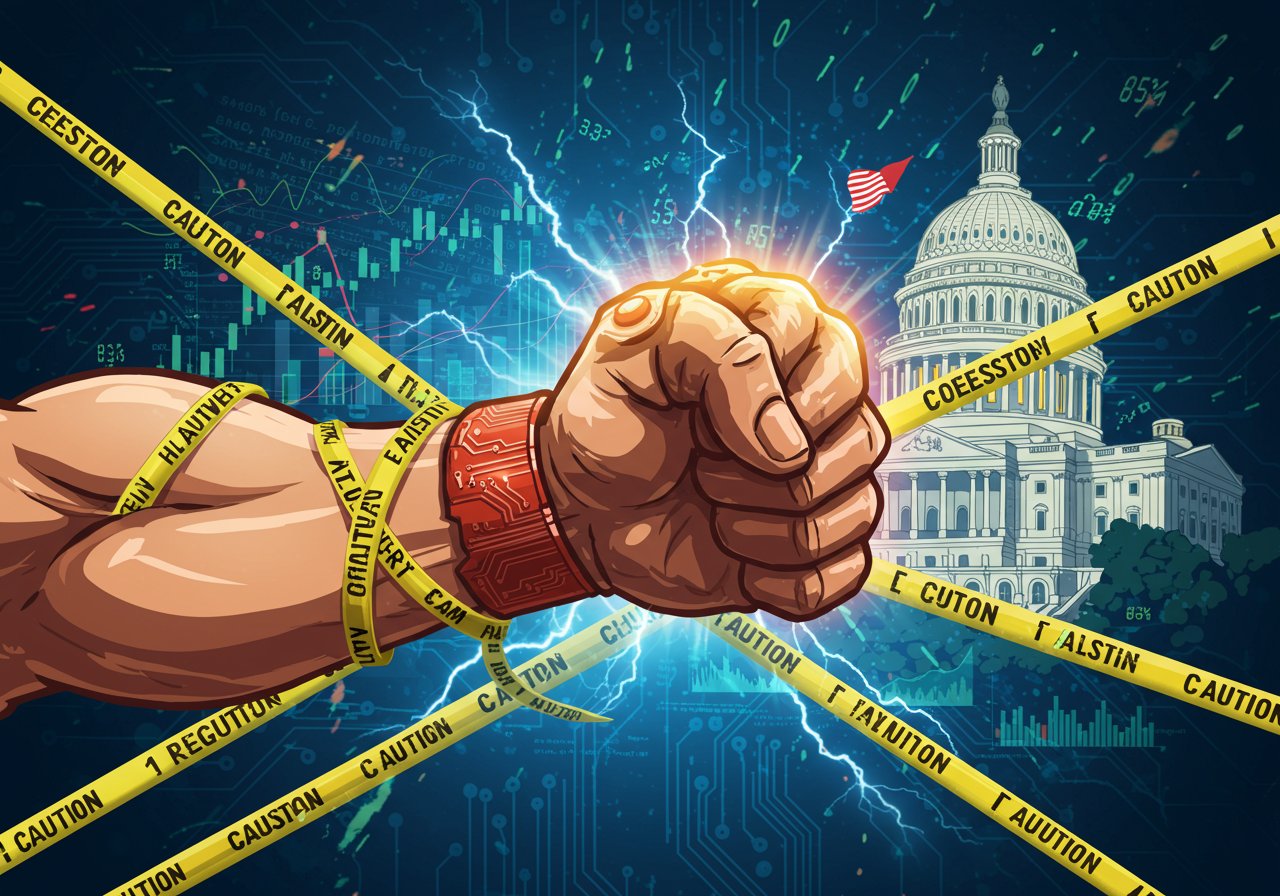
Kalshi‘s Capital Gambit: A New D.C. Presence
The predictions market platform, Kalshi, is making a strategic move into the heart of American politics, opening a Washington D.C. office. This expansion signals a significant escalation in Kalshi‘s ambition to influence the regulatory landscape and solidify its position within the burgeoning predictions market space. The firm has hired John Bivona, formerly of the Biden administration, as its head of federal government relations, alongside Blake Bee, who previously held a senior management role at Amazon, focused on state and local public policy. This dual-pronged approach, drawing upon experience from both the political and corporate worlds, suggests a sophisticated understanding of the regulatory challenges ahead.

Navigating the Regulatory Tightrope
The timing of Kalshi‘s D.C. expansion is noteworthy. The predictions market industry, of which Kalshi is a prominent player, is currently under intense scrutiny from both federal lawmakers and state officials. This scrutiny is likely fueled by the increasing popularity of these platforms and the inherently speculative nature of their offerings, particularly those related to political events. Kalshi, as a significant player, is keen to shape the conversation and ensure that regulations are favorable, or at least manageable. The firm’s commitment to engaging with lawmakers and potentially participating in the 2026 elections clearly demonstrates its long-term strategic vision.
The Stakes are High: Elections and Legal Battles
Kalshi‘s operations have become increasingly relevant since a 2024 court ruling permitted the platform to offer contracts related to US elections. However, the platform still faces legal challenges in multiple states, primarily concerning its offerings on sporting events, which are often subject to different licensing requirements. The combination of political and legal hurdles paints a complex picture for Kalshi, underscoring the need for proactive engagement with policymakers.
Beyond the Beltway: Market Dynamics and Competitive Landscape
Kalshi‘s decision to expand reflects its dominance in the prediction market space. According to data from Dune Analytics, Kalshi accounts for roughly two-thirds of the total trading volume. Other major players, like Polymarket and PredictIt, are also vying for market share. The ongoing debate around a potential US government shutdown serves as a prime example of the type of events traded on these platforms. As of this writing, Kalshi and Polymarket were actively offering users the ability to bet on the likelihood of a government shutdown, highlighting the real-time, high-stakes nature of the predictions market.
Implications for the Crypto Ecosystem
Kalshi‘s expansion into D.C. offers a glimpse into the broader trends affecting the crypto industry. The need for proactive engagement with regulators is crucial as the space evolves. The firm’s strategy of hiring former government officials and establishing a direct presence in Washington D.C. underscores that building bridges and engaging in policy efforts are essential for long-term survival and success. Other crypto platforms may follow suit, accelerating the evolution of how this industry interacts with government and the regulatory environment.
The move suggests a maturing of the crypto industry, where navigating the complex world of regulation is becoming as important as technological innovation.

