
Winter’s Chill Boosts Bitcoin Miner Profits
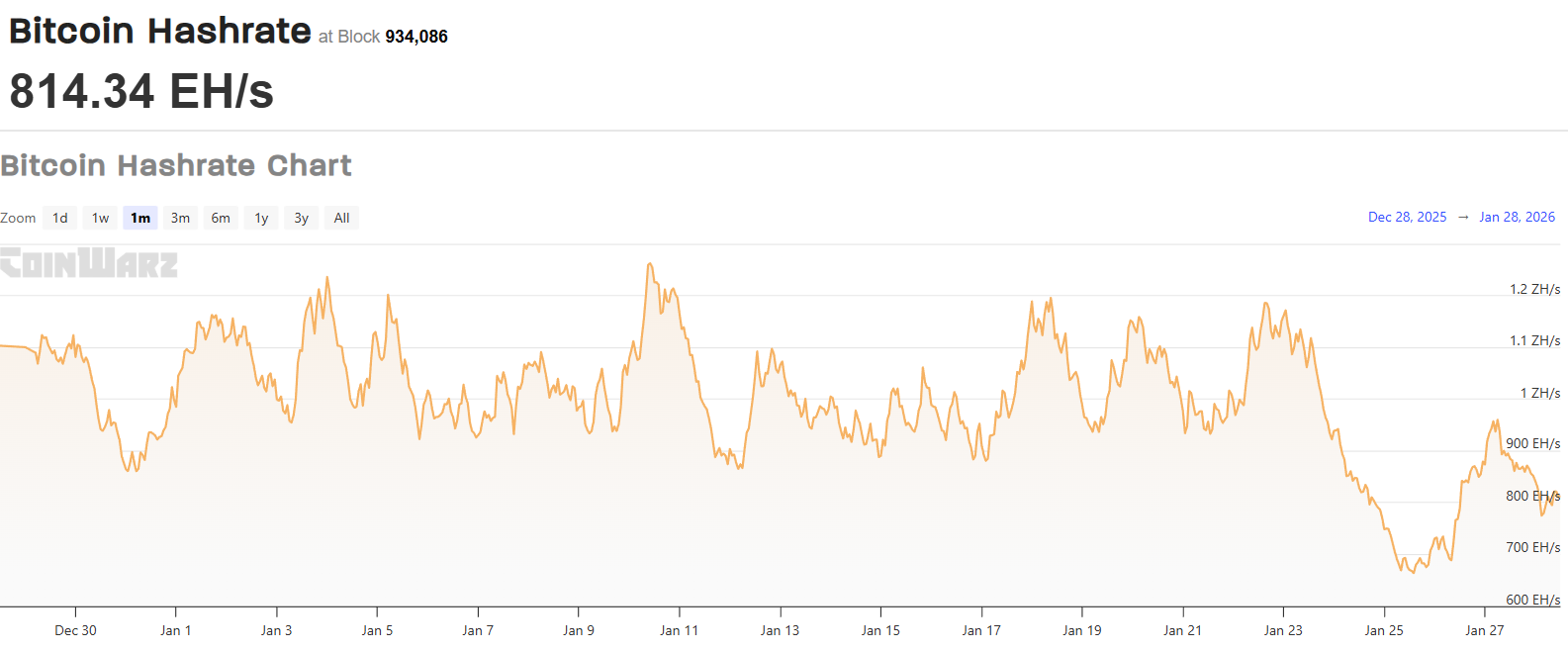
A recent and particularly severe winter storm sweeping across the United States has inadvertently created a favorable environment for certain Bitcoin mining operations. As temperatures plummeted, a significant portion of the Bitcoin network’s hashrate – a measure of the total computational power dedicated to mining – experienced a sharp decline. This event, however, wasn’t a universal setback; rather, it created an opportunity for those miners who could weather the storm, both literally and figuratively.

The Hashrate Dip and its Consequences
The immediate impact of the storm was a marked reduction in the network’s hashrate. With some mining facilities forced to curtail operations to conserve energy or mitigate equipment damage, the competition for mining new Bitcoin blocks lessened. This decrease in competition directly translates to increased profitability for the miners who remained online. Data from various sources indicates a substantial drop in hashrate, followed by a subsequent, albeit incomplete, recovery. This fluctuation vividly illustrates the sensitivity of the Bitcoin network to external factors and the strategic advantages available to well-prepared and capitalized mining entities.
Winners and Losers: Stock Market Reactions
The stock market has reacted accordingly. Shares of prominent Bitcoin mining companies experienced significant gains. Companies like TeraWulf, Iren Limited, and Cipher Mining all saw their stock values climb substantially, reflecting investor confidence in their ability to navigate the challenges presented by the storm. This surge in stock prices highlights a key dynamic within the Bitcoin mining ecosystem: the disparity between large, well-resourced operations and smaller, less resilient ones. The winter storm acted as a stress test, revealing which companies had the infrastructure and contingency plans to maintain operations during extreme weather events.
Profitability Metrics and Future Outlook
The Bitcoin hashprice index, a crucial indicator of miner profitability, also reflected the improved conditions. With less competition, miners earned more per unit of computational power. This metric, along with the observed stock price increases, underscores the economic realities of Bitcoin mining. The situation illustrates the importance of geographic diversification, robust infrastructure, and proactive risk management within the industry. The episode also provided a glimpse into how larger mining firms can benefit from temporary network disruptions.
The Broader Implications
Beyond the immediate financial gains for specific companies, the event raises important questions about the long-term resilience of the Bitcoin network and its dependence on external factors, such as weather and energy infrastructure. The experience underscores the need for miners to prioritize operational efficiency, risk mitigation, and strategic partnerships. As the Bitcoin network continues to evolve, understanding and adapting to these challenges will be crucial for the continued success of the mining industry.
- **Infrastructure Resilience:** The event highlights the importance of robust infrastructure to withstand extreme weather events.
- **Geographic Diversification:** Mining operations with a geographically diverse footprint are better insulated from localized disruptions.
- **Operational Efficiency:** Efficient energy management and temperature control are vital for minimizing downtime and maximizing profitability.