


UK Parliament Deep Dives into Stablecoin Regulations
The United Kingdom’s financial landscape is poised for significant shifts as the House of Lords Financial Services Regulation Committee launches an inquiry into the regulation of stablecoins. This move coincides with the Bank of England (BoE) diligently working towards finalizing its systemic rules for these digital assets, signaling a critical juncture in the UK’s approach to crypto regulation.

The Scope of the Inquiry
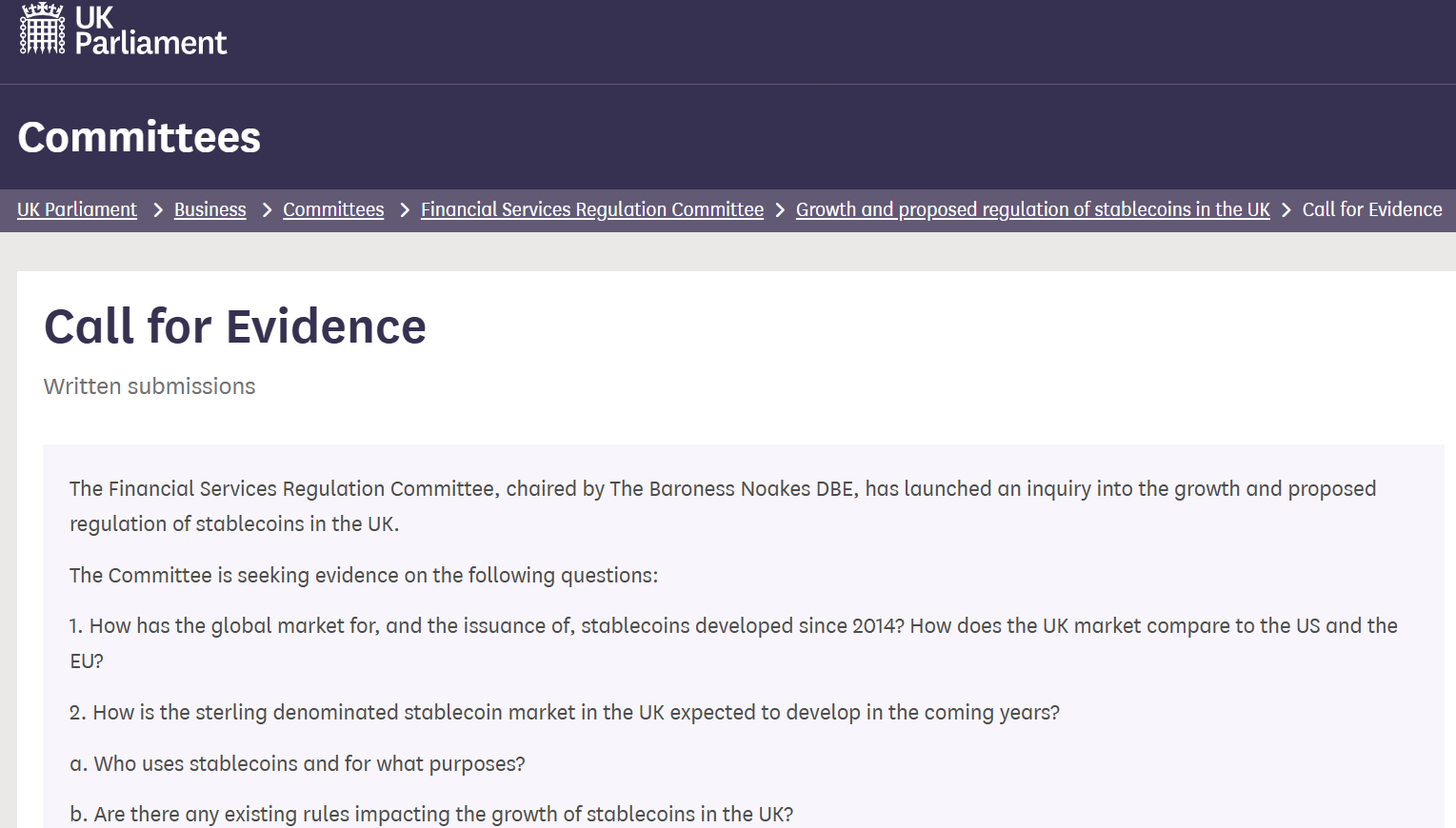
The parliamentary inquiry aims to comprehensively assess the potential ramifications of stablecoins on the UK’s existing financial infrastructure. Specifically, the committee is scrutinizing the proposals put forth by the Bank of England and the Financial Conduct Authority (FCA), seeking public input to understand how these regulatory frameworks will impact traditional services like banking and payment systems. The committee is accepting written submissions until March 11th, with public hearings scheduled soon after.
BoE’s Role in Shaping the Future
Parallel to the parliamentary review, the Bank of England is actively developing a regulatory regime for systemic stablecoins. These are essentially stablecoins pegged to the pound sterling and are intended for use in UK payment systems. Sasha Mills, the BoE’s executive director of financial market infrastructure, highlighted the joint efforts with the FCA to ensure these stablecoins meet the rigorous standards expected of traditional financial instruments. A key element of the BoE’s plan involves providing systemic stablecoins with deposit accounts and potential liquidity facilities at the central bank, with the goal to finalise this regime by the end of the year.
Potential Risks and Opportunities
The inquiry will delve into both the potential advantages and disadvantages presented by the growing adoption of stablecoins. There are concerns around the potential for stablecoins to draw deposits away from traditional banks, subsequently impacting credit availability within the broader economy. However, the committee is also exploring the innovative opportunities that stablecoins can unlock, such as more efficient and cost-effective payment systems.
Comparing Regulatory Approaches
The UK’s approach, with the FCA at the helm of crypto regulation, is in contrast to the US’s evolving framework. The CLARITY Act in the US, for instance, aims to clearly delineate jurisdictional responsibilities between the SEC and the CFTC concerning crypto assets, which could affect the landscape for payment stablecoins. The inquiry is expected to provide key insights for the future of crypto regulation in the UK.
Key Takeaways
- The House of Lords is actively investigating the regulatory landscape of stablecoins.
- The Bank of England is on track to finalize systemic stablecoin rules by the end of 2026.
- The inquiry will analyze the impact of stablecoins on traditional financial services.
- Public input is encouraged through written submissions.
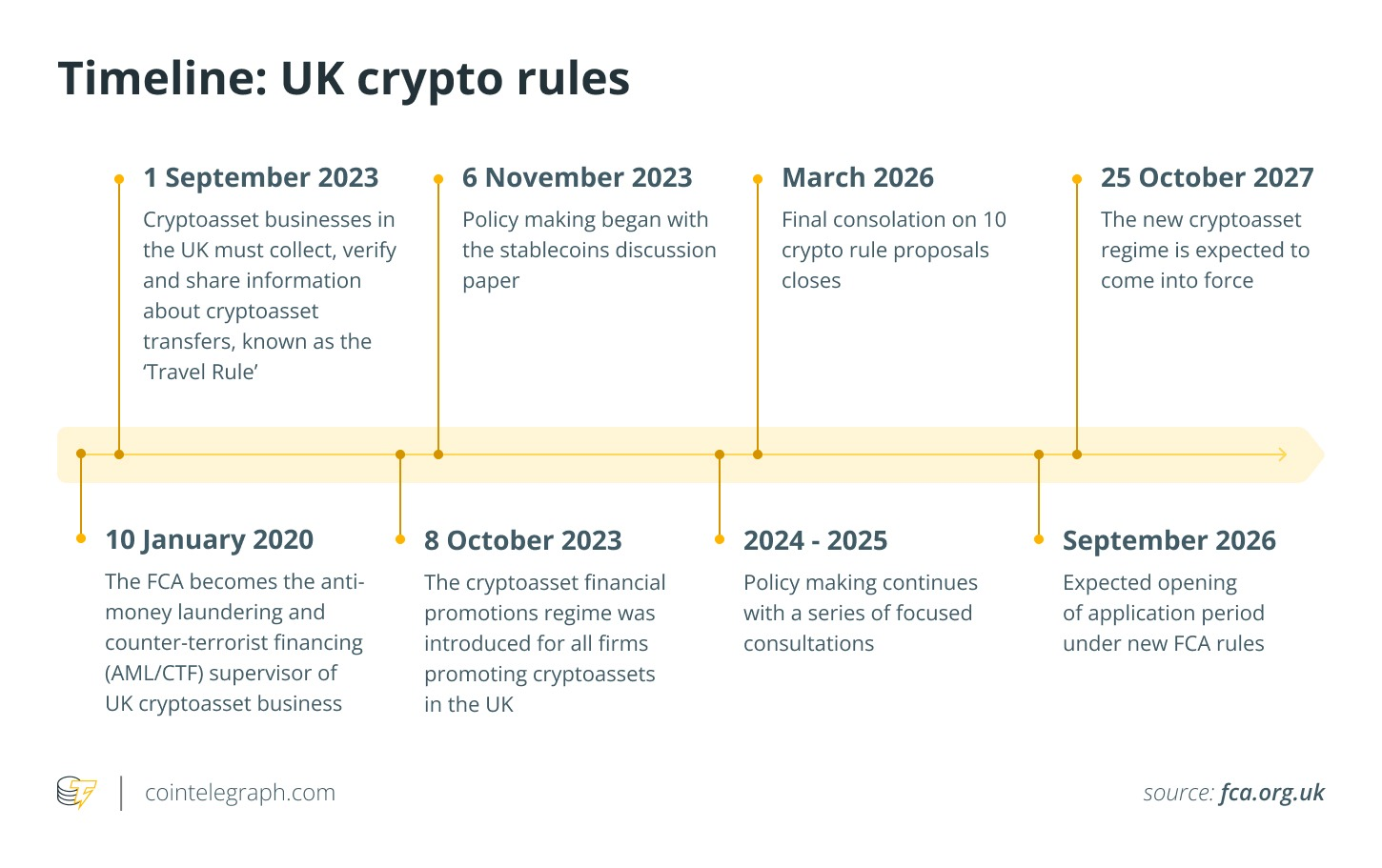
This evolving regulatory landscape is expected to shape the future of stablecoins in the UK, with implications for both financial stability and innovation.
This is a critical juncture.

