

A Costly Oversight: South Korea‘s Tax Office Crypto Blunder
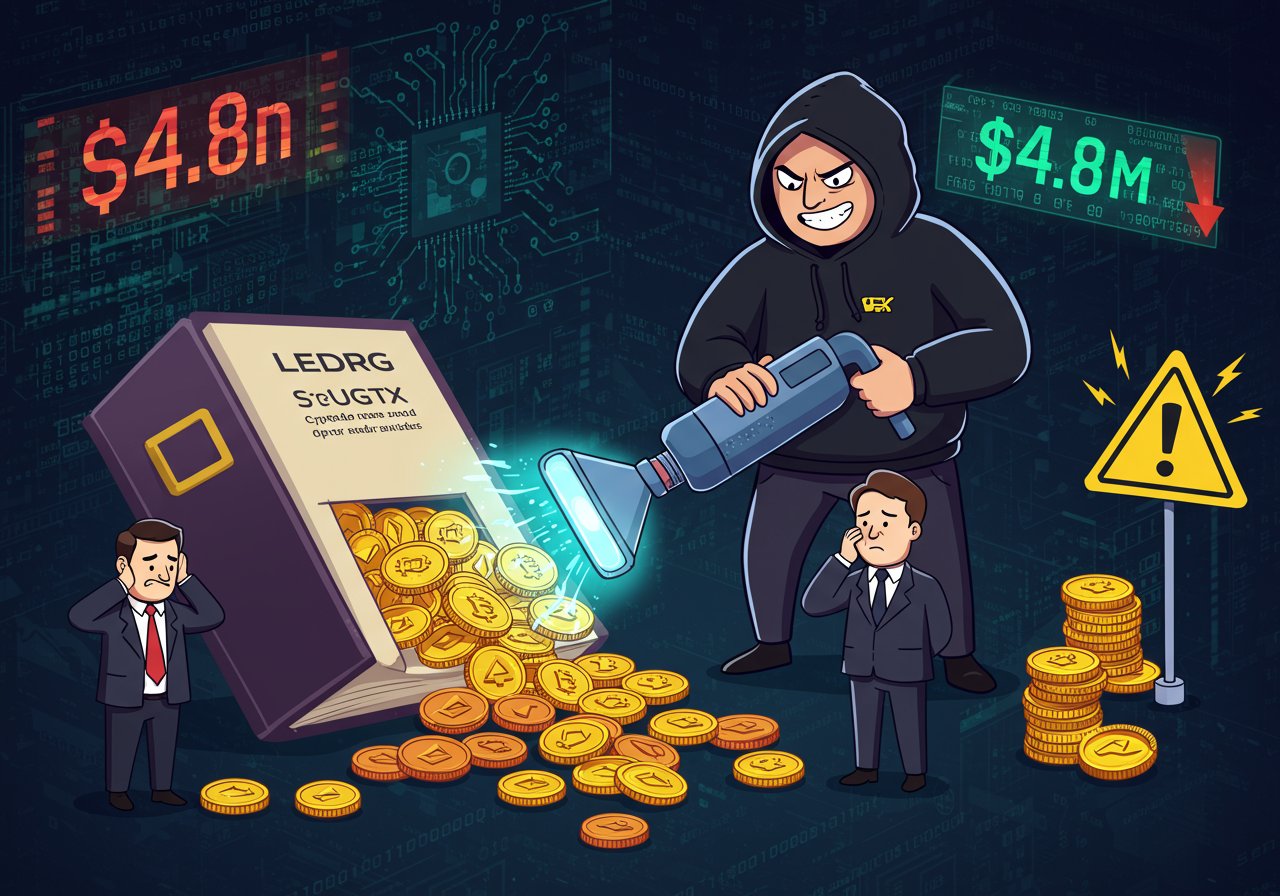
In a startling development that underscores the critical importance of secure cryptocurrency custody, South Korea‘s National Tax Service (NTS) has suffered a significant loss of approximately $4.8 million worth of tokens. The incident, as reported by various local media outlets, stems from an incredibly careless error: the inadvertent exposure of a crypto wallet seed phrase within an official press release.

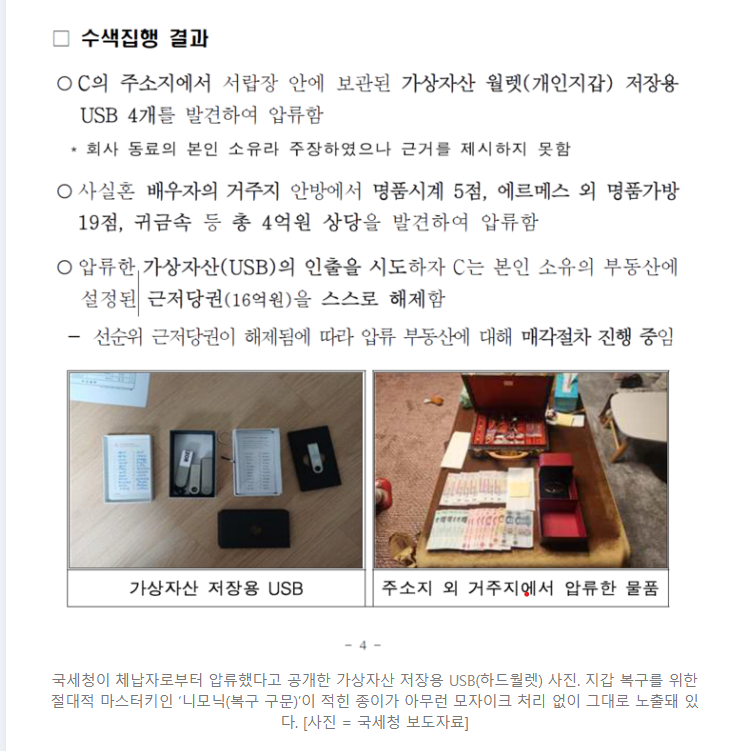
The press release, intended to detail the NTS’s enforcement campaign against tax delinquents, reportedly included an image of a Ledger cold wallet and, alarmingly, a sheet of paper displaying the full mnemonic phrase without any blurring or masking. This crucial piece of information, essentially the ‘master key’ to the wallet, was immediately exploited. Blockchain researchers were quick to identify an Ethereum (ETH) address linked to the leaked phrase. On-chain data revealed that within moments of the seed’s exposure, the 4 million PRTG tokens held within the wallet were swiftly transferred out to another address.
The Aftermath and Broader Implications
Associate professor Jaewoo Cho of Hansung University’s Blockchain Research Center, who analyzed the transaction flows, confirmed the theft, noting the speed and efficiency with which the funds were drained. While some experts, like Professor Cho, suggest the actual damage might be mitigated by the difficulty in cashing out the stolen tokens, the incident serves as a stark reminder of the potential consequences of poor security practices. The NTS’s mistake is a costly lesson, especially considering that the tokens, PRTG (Pre‑Retogeum), have a less liquid market, making them more difficult to convert to fiat.
This incident is not an isolated one. South Korea has been grappling with a series of crypto custody failures. The revelation of the seed phrase leak compounds these issues, potentially eroding public trust in the ability of government agencies to handle digital assets securely. In a separate case, 22 Bitcoin (BTC) seized in a 2021 hacking investigation mysteriously vanished from a police cold wallet, further highlighting the need for improved internal controls and robust security protocols.
Lessons in Self-Custody and Institutional Oversight
This incident also underscores the inherent responsibilities associated with self-custody. While cold wallets are considered secure when used properly, the weakest link is often the custodian themselves. A seed phrase is the ultimate access key, and its protection is paramount. This blunder is a clear example of the human element causing significant damage in crypto.
The current situation presents an opportunity for Korean authorities to reassess their internal security measures and potentially invest in more sophisticated custody solutions, perhaps even exploring partnerships with specialized crypto security firms. The future of digital asset management requires meticulous planning and diligence, especially when dealing with seized assets. The crypto community will be watching closely, hoping this becomes a catalyst for improved security protocols across the board.

