


EU’s DAC8 Directive: Ushering in a New Era of Crypto Tax Transparency
The European Union is gearing up to significantly increase its oversight of cryptocurrency transactions with the implementation of the DAC8 directive. Starting January 1, 2026, crypto platforms operating within the EU, or serving EU users, will be required to provide detailed transaction information to tax authorities. This landmark move marks a crucial step in integrating digital assets into the existing financial transparency framework. It’s a shift that will inevitably reshape how crypto users and platforms interact within the European market.
What Does DAC8 Entail?
DAC8, officially Council Directive (EU) 2023/2226, expands the EU’s framework for the automatic exchange of tax information to include crypto assets. This effectively brings cryptocurrencies under the same reporting obligations as traditional financial instruments. The primary goal is to close the gap between traditional finance and the crypto world, reducing opportunities for tax evasion and ensuring that crypto activities are properly accounted for.
Key Players and Their Responsibilities
The directive places the reporting burden primarily on Crypto-Asset Service Providers (CASPs). These include centralized exchanges, brokers, and custodial wallet providers. They are tasked with collecting and reporting user data, including:
- Full name and address
- Tax residency and tax identification number (TIN)
- Details of all crypto transactions, including sales, exchanges, and transfers
- Gross proceeds from disposals
This information will then be automatically exchanged between EU tax authorities, streamlining cross-border tax compliance and ensuring a comprehensive view of crypto activity across the bloc. Non-EU platforms serving EU customers are also subject to these regulations, highlighting the directive’s broad reach.

Aligning with Global Standards
DAC8 is closely aligned with the Organisation for Economic Co-operation and Development’s (OECD) Crypto-Asset Reporting Framework (CARF). This alignment is designed to promote global consistency in crypto tax reporting, making it easier for countries to share data and collaborate on tax enforcement. This move suggests that the EU is taking a leading role in shaping global standards for crypto regulation, potentially influencing other jurisdictions to adopt similar approaches.
Implications for Users and Platforms
For crypto users, DAC8 means increased transparency. Tax authorities will have greater access to transaction data, enabling them to cross-reference reported income with crypto activity. While DAC8 itself doesn’t introduce new taxes, it significantly increases the visibility of crypto transactions, potentially leading to more scrutiny and a greater need for accurate tax reporting. Platforms face the challenge of implementing robust systems to collect and report the required data, which may involve significant investment in technology and compliance procedures. Non-compliance could result in penalties.
The Broader Regulatory Landscape
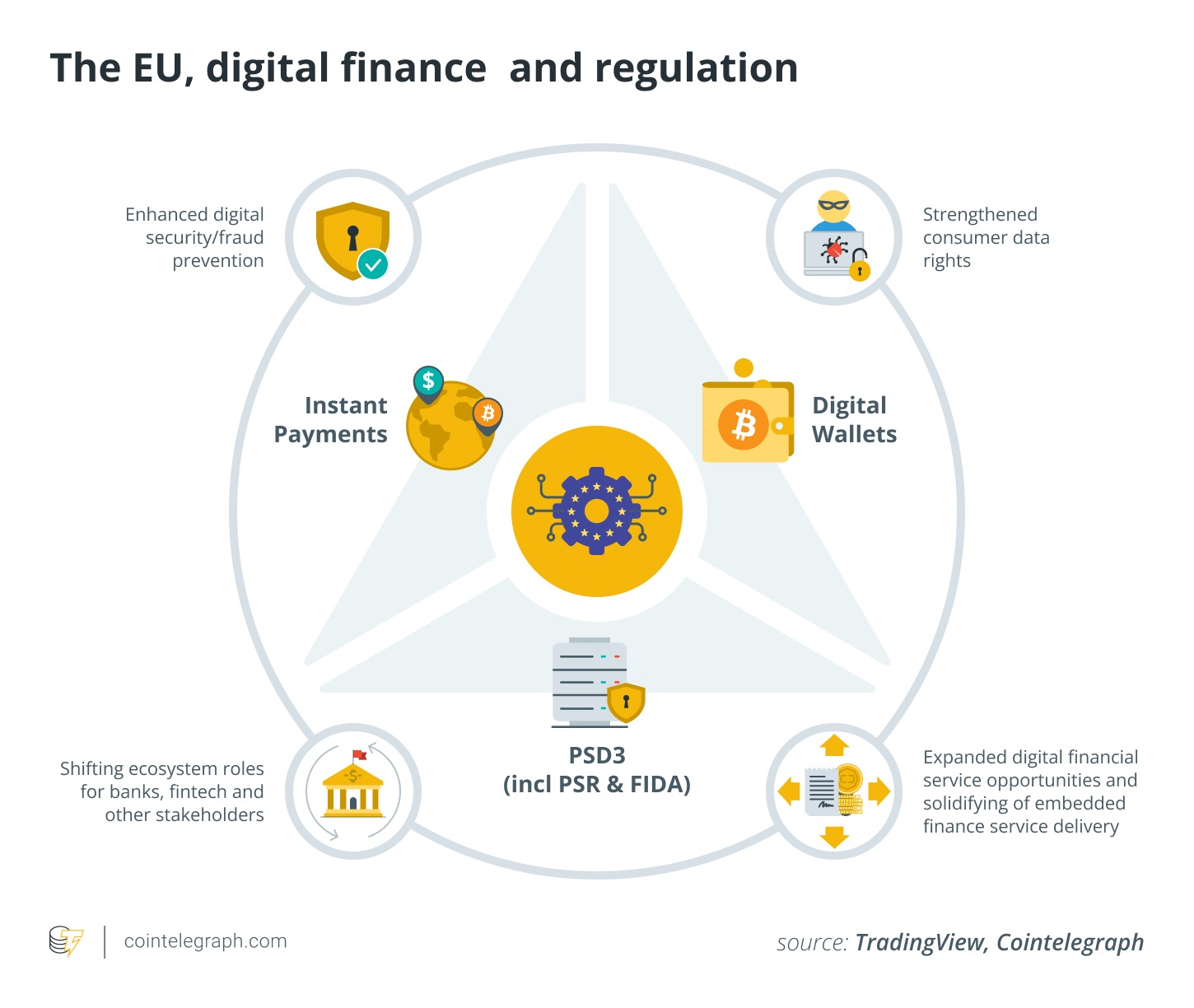
DAC8 is part of a larger regulatory picture. It works in tandem with the Markets in Crypto-Assets (MiCA) regulation, which focuses on market conduct and licensing. While MiCA aims to regulate the operations of crypto businesses, DAC8 focuses specifically on tax transparency and information exchange. Together, these regulations aim to provide a comprehensive framework for the crypto market in the EU, fostering innovation while mitigating risks.
Challenges and Future Developments
The implementation of DAC8 presents several challenges. Platforms must ensure they can accurately track and report transactions, verify user information, and securely store sensitive data. There are also unanswered questions about how the directive will apply to decentralized finance (DeFi) platforms, which lack central intermediaries. Despite these challenges, DAC8 represents a decisive move towards integrating crypto assets into the mainstream financial system, promoting greater transparency, and ensuring fair taxation across the EU. As the crypto landscape evolves, it’s highly probable that further regulations and updates to DAC8 will emerge, further shaping the future of digital asset taxation.
“DAC8 marks the end of limited formal tax oversight for crypto within the EU, aligning digital assets with the transparency demanded by traditional assets.”

