


Billions Blocked: Tether‘s Anti-Crime Measures
Tether, the issuer of the world’s largest stablecoin USDT, has reportedly frozen a staggering $4.2 billion in tokens over the past three years. This sum is directly tied to illicit activities, underscoring the growing role of stablecoin issuers in the fight against financial crimes. The firm, based in El Salvador, has been cooperating with law enforcement agencies and regulators, primarily blocking funds since 2023. This is in direct response to increased scrutiny of crypto-related fraud and sanctions evasion.

The Growing Power of Stablecoin Issuers
Tether‘s ability to freeze tokens stems from its control over the USDT supply on the blockchain. By blacklisting wallet addresses, the company can effectively prevent those funds from being used. This functionality has become increasingly critical as authorities seek to trace and halt the flow of funds associated with scams, money laundering, and other illegal operations. Tether‘s actions are not isolated; other stablecoin issuers are also implementing similar measures.
Specific Cases and Cooperation with Authorities
The report highlights several instances of Tether‘s cooperation with government agencies. For example, Tether assisted the US Department of Justice in seizing nearly $61 million in USDT connected to ‘pig-butchering’ scams. It also froze approximately $544 million at the request of Turkish authorities, targeting an alleged illegal online betting and money-laundering operation. This level of cooperation is becoming more common, reflecting the growing regulatory pressure on the crypto industry.
The Impact on Market Dynamics
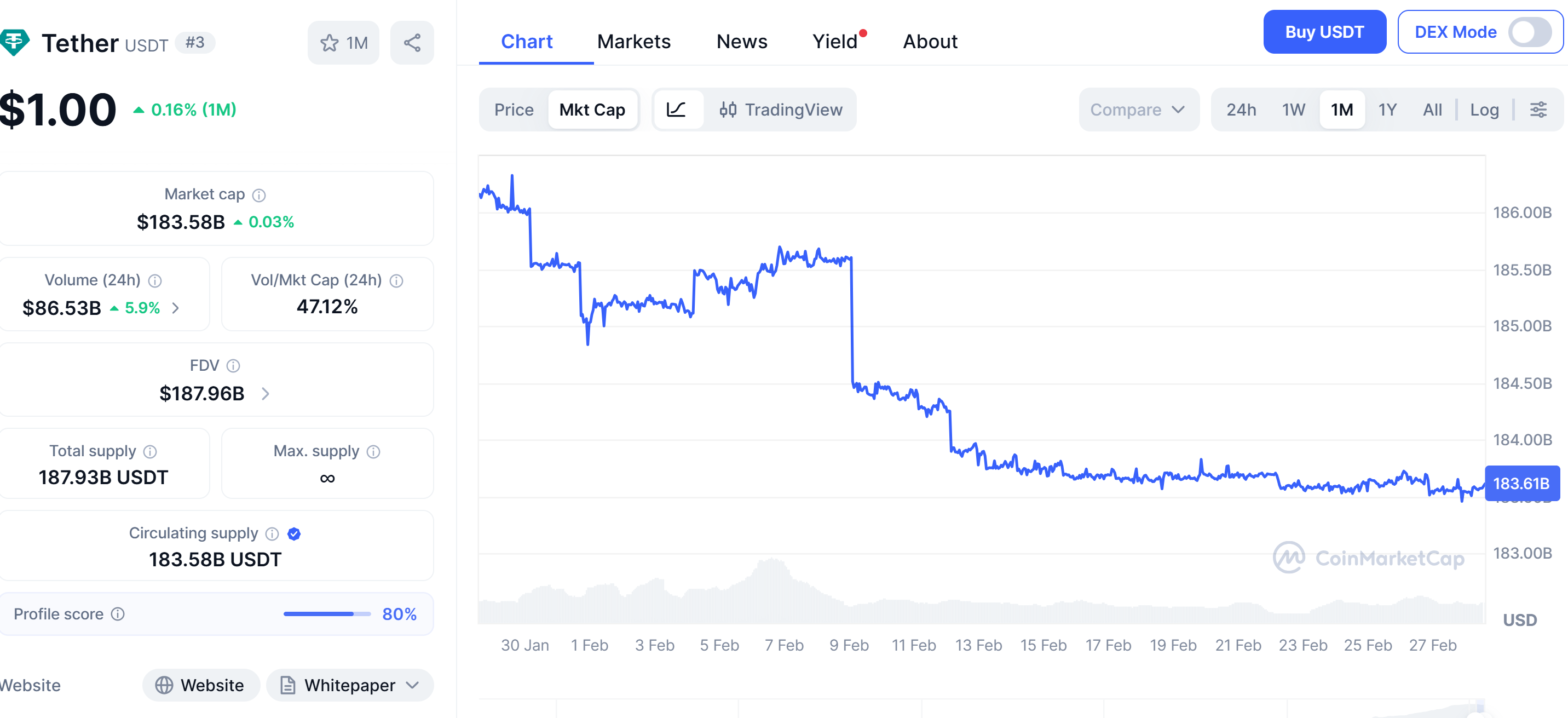
The report notes that USDT is experiencing its largest monthly supply drop in three years. This contraction may point to tighter liquidity in the crypto market. While Tether attributes this to short-term distribution changes rather than weakening demand, the situation warrants close observation. Similar reductions in circulating supply are visible in the behavior of USDC, another large stablecoin.
Broader Implications and Future Outlook
The freezing of billions of dollars in USDT has significant implications for the crypto ecosystem. It demonstrates the ability of centralized stablecoins to be used as a tool for law enforcement, but it also raises questions about centralization and censorship. The future of stablecoins will likely involve a delicate balance between regulatory compliance, user privacy, and market stability. As stablecoins become more intertwined with the traditional financial system, their role in combating illicit activities will continue to be a subject of intense interest and debate.
This event shows the growing importance of stablecoin issuers in addressing illegal financial activities within the cryptocurrency landscape.

