


Visa and Stripe‘s Ambitious Stablecoin Push
The global payments landscape is undergoing a significant transformation, and Visa, in partnership with Stripe-owned Bridge, is firmly positioning itself at the forefront of this evolution. Their strategic initiative, centered around stablecoin-linked Visa cards, is rapidly expanding, with an aggressive target of reaching over 100 countries by the close of the year. This ambitious plan underscores the growing mainstream acceptance of cryptocurrencies and their underlying technology.

Global Expansion: From Latin America to the World
The initial launch of the stablecoin card program in April 2025 saw its debut in several Latin American countries, including Argentina, Colombia, and Mexico. This initial foray served as a proving ground, allowing Visa and Bridge to refine their processes and gauge consumer demand. Building on this success, the expansion now encompasses a much broader geographical scope. Europe, the Asia-Pacific region, Africa, and the Middle East are all slated to see the introduction of these innovative payment solutions. This widespread rollout is a clear indication of the confidence both companies have in the future of stablecoins as a viable payment mechanism.
On-Chain Settlement: A Key Innovation
Beyond geographical expansion, the partnership is also exploring critical advancements in the underlying infrastructure. Visa is actively testing on-chain settlement capabilities through a pilot program. This move signifies a shift away from traditional fiat currency settlement and towards the direct utilization of stablecoins. This allows for increased speed, transparency, and programmability in transactions. The collaboration with Lead Bank, an independent commercial bank, is key to facilitating this on-chain settlement, directly processing transactions in stablecoins.
The Competitive Landscape and Future Prospects
The race to integrate stablecoins into the existing financial system is heating up. Mastercard has recently launched a similar initiative, enabling stablecoin card spending in the US. This competitive pressure encourages innovation and ultimately benefits consumers and merchants alike. Visa‘s commitment to supporting Bridge-issued assets, or custom stablecoins created using Bridge’s infrastructure, further solidifies its commitment to the ecosystem. If successful, this could give businesses greater control over their payment processes, enhancing efficiency and potentially reducing costs. However, it’s also worth noting the regulatory landscape is continually evolving. Any successful venture in this space will have to be mindful of compliance with the varying regulations of multiple jurisdictions.
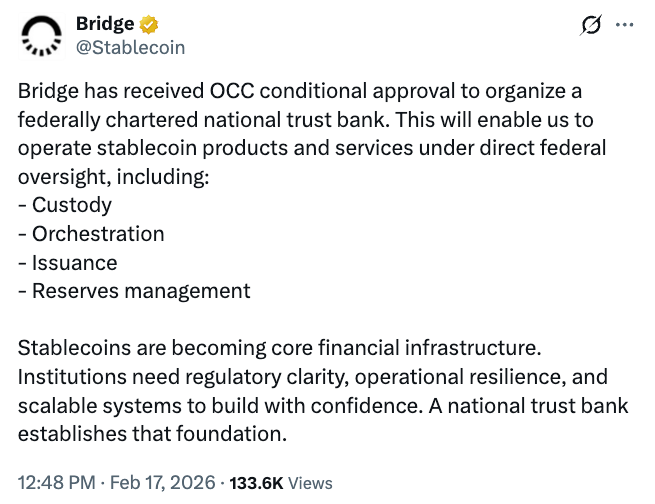
As Visa and Stripe aggressively push the boundaries of payments, this partnership highlights a clear trend. The convergence of traditional finance with blockchain technology is creating new possibilities and challenging established norms. This expansion of the Visa and Bridge partnership is a significant step towards a future where digital currencies are integrated seamlessly into everyday transactions, offering enhanced speed, transparency, and efficiency to the global economy.

