Bybit Jumps into Banking: A New Frontier for Crypto Exchanges
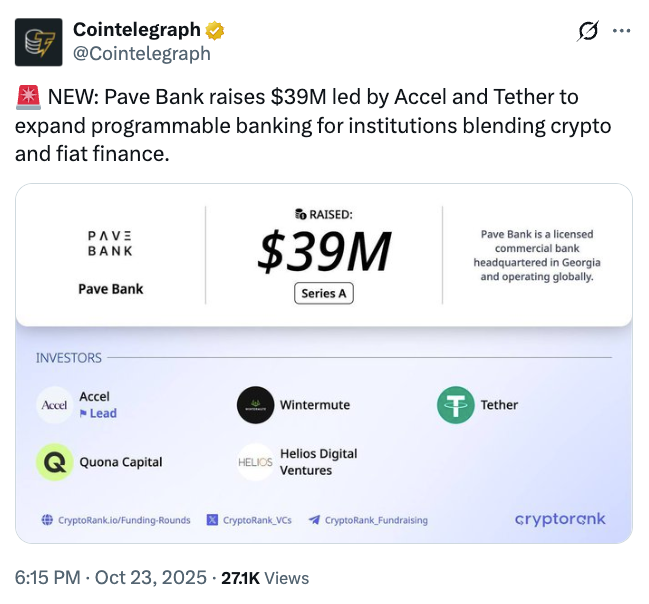
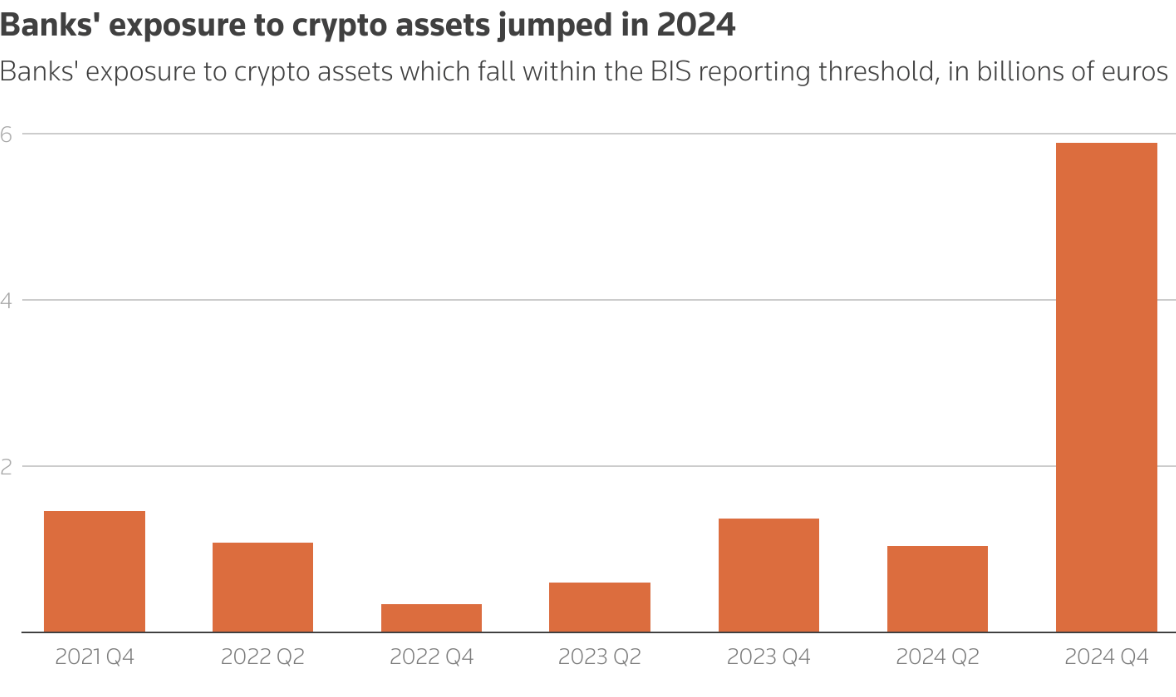
The cryptocurrency exchange Bybit is making a bold move, planning to launch a neobank-style retail banking product, MyBank. This initiative, supported by Pave Bank, a licensed lender backed by Tether Investments, marks a significant step in the ongoing convergence of the crypto world and traditional finance (TradFi).

The Regulatory Tightrope: Challenges Ahead
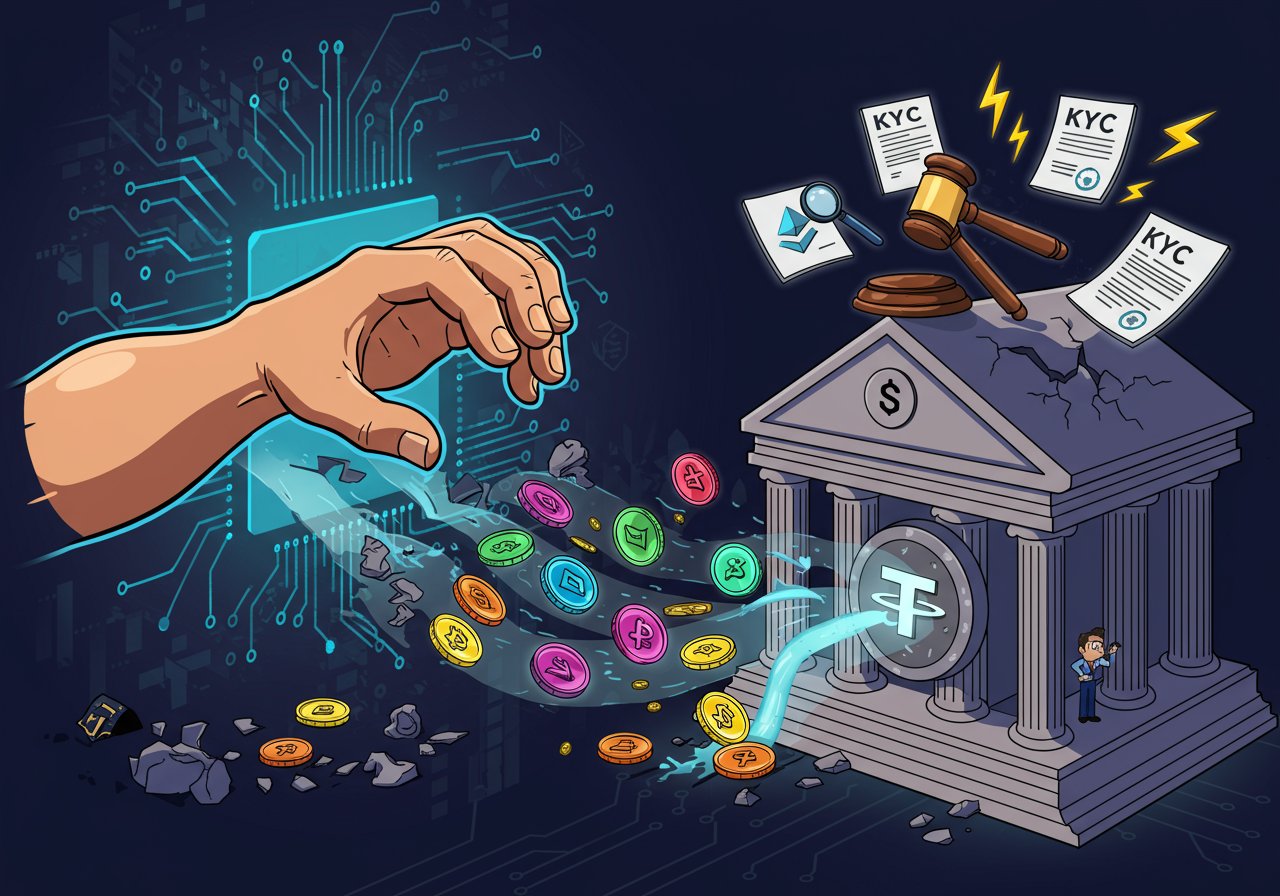
Entering the banking space presents numerous challenges for crypto-native companies. Regulatory hurdles are substantial, and the need for licenses and adherence to stringent capital requirements cannot be overstated. According to Gal Arad Cohen, a blockchain lawyer, operating a fully licensed bank offering core banking services remains uncharted territory for major crypto exchanges.
Partnerships and Licensing: Key to Entry
To offer banking services, Bybit has chosen the partnership route, collaborating with Pave Bank, a Georgia-based licensed lender. While this offers a pathway, the long-term goal for such ventures could involve obtaining full banking licenses, a resource-intensive process. This mirrors a broader trend: crypto companies seeking ways to offer banking-like services without becoming fully regulated banks.
Potential Implications for Retail Users
- KYC and Onboarding: Enhanced Know Your Customer (KYC) procedures could become more prevalent, potentially impacting the ease of use that has attracted many users to crypto exchanges.
- Fiat Integration: A neobank could streamline the process of converting fiat currency into cryptocurrencies.
- Competitive Landscape: Crypto firms competing with traditional banks is likely to intensify in the coming years, requiring platforms to address many banking burdens.
The Embedded Finance Revolution
Bybit’s strategy fits into a broader movement toward embedded finance, where financial services are integrated seamlessly into other platforms. This could result in borderless, instant payments. However, the move is not without challenges. The closer a platform gets to full-service banking, the more it has to inherit banking burdens, said Yuriy Brisov, a lawyer at Digital & Analogue Partners.
Industry Perspectives and Future Outlook
“If they want to operate in the US and seek a US banking charter, which would be surprising to me but is possible, then they’ll have a lot of structuring to do,” Ryne Saxe, co-founder and CEO of blockchain company Eco.
The success of Bybit’s MyBank and the reception from the user base will set the tone for similar endeavors. The long-term implication is whether major exchanges can successfully bridge the gap between crypto and TradFi and offer banking services without significantly increasing regulatory complexity for end-users. The crypto space will be watching closely.