


2026: Crypto’s New Chapter Emerges
As the calendar turns to 2026, the cryptocurrency landscape is poised for a significant transformation. The volatility of 2025, which saw Bitcoin failing to ignite a full-blown altcoin season despite hitting a high in line with its historical cycles, has given way to a cautious optimism. Institutions are finally moving in the same direction as regulators, creating an unprecedented opportunity for broader adoption. The future, however, is not a simple repeat of the past. Instead, it looks like a multifaceted market driven by structural shifts and the growing influence of institutional capital. This article delves into three compelling investment themes that will shape the crypto market in 2026: Bitcoin‘s evolving cycle, the rise of stablecoin infrastructure, and the tokenization of real-world assets (RWAs).

Bitcoin: Breaking the Four-Year Cycle?
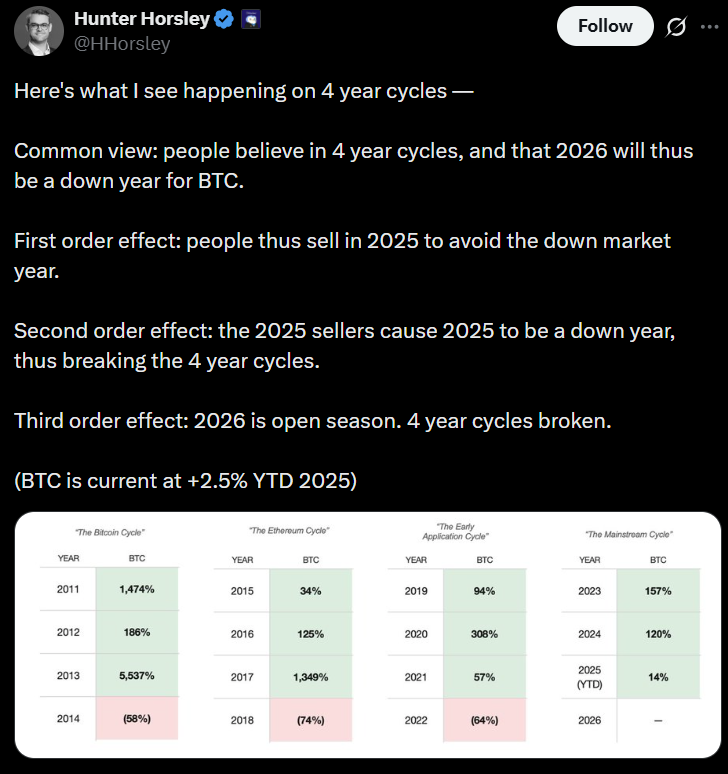
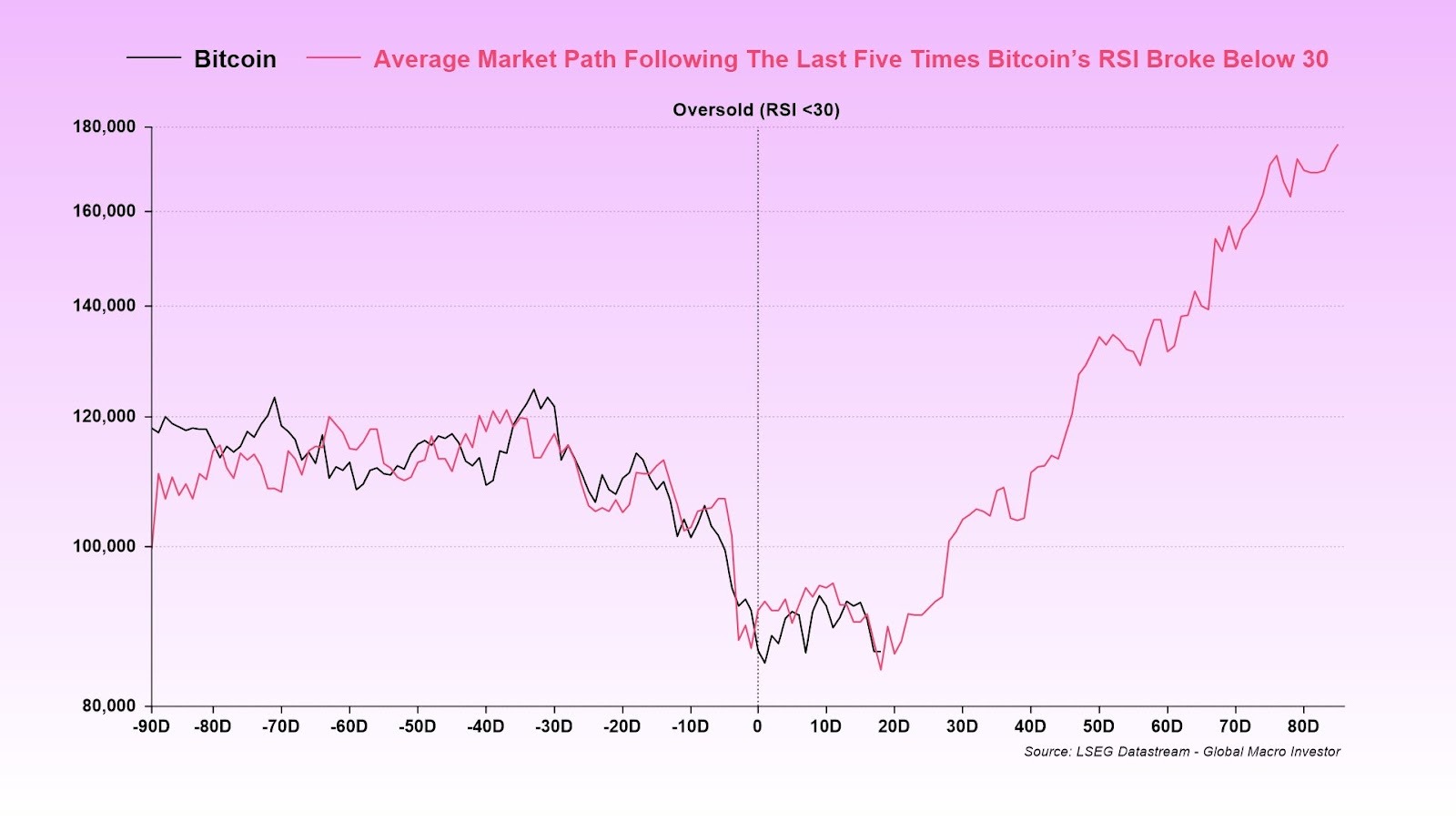
Bitcoin‘s performance in 2025 has ignited debates about the relevance of its traditional four-year cycle. Historically, the period following each halving, the process that cuts Bitcoin‘s block reward in half, has coincided with the most aggressive phase of a bull market. However, with the approval of spot Bitcoin ETFs in 2024, institutional capital has begun to reshape the market. Analysts are debating whether this influx of capital, with longer time horizons and stricter mandates, will break the pattern and lead Bitcoin to new all-time highs in 2026, as has been suggested by some. The Federal Reserve’s expected interest rate cuts could create a favorable environment for Bitcoin, potentially aligning it more closely with business and liquidity cycles rather than just halving schedules. The evolving dynamics call for a fresh perspective on Bitcoin‘s price movements.
Stablecoins: Powering the New Financial System
Beyond Bitcoin, stablecoins have emerged as a cornerstone of the evolving crypto landscape, demonstrating clear real-world utility. Pegged to fiat currencies like the US dollar, stablecoins have rapidly expanded, surpassing $300 billion in total circulation, serving as a foundational layer for payments, settlement, and on-chain liquidity. Regulation, particularly the GENIUS Act passed in mid-2025, has played a crucial role, establishing clear rules for stablecoin issuance and oversight. This has paved the way for banks to integrate stablecoins directly into the traditional financial system. Stablecoins are evolving into multipurpose financial tools, enabling faster cross-border payments and serving as the foundation for yield-bearing treasury instruments. From an investment perspective, the real opportunity lies in the infrastructure that supports them – issuers, custodians, compliance providers, blockchain networks and payment rails, all of which will see their value increase with greater stablecoin adoption. Traditional capital markets are also recognizing the trend, with companies like Circle and PayPal launching their own stablecoin offerings.
The tokenization of real-world assets is moving from theory to reality. Major financial players like BlackRock and Goldman Sachs have launched or participated in tokenized funds, bonds, and settlement platforms, putting traditional assets directly on blockchain rails. The market for tokenized RWAs reached over $30 billion by 2025, with private credit and US Treasury-backed products leading the charge. Tokenized stocks and equity-like instruments are also gaining traction, particularly outside the United States, providing 24/7 access to traditional assets. For investors, the appeal lies in the structural adoption of tokenization, promising faster settlement, reduced counterparty risk, and global accessibility. As regulatory frameworks mature and financial incumbents expand their on-chain offerings, RWAs could become a durable investment theme in 2026. This development suggests a profound shift in how assets are owned, traded, and managed, with profound implications for the future of finance.
The cryptocurrency market in 2026 appears poised for continued growth and innovation, driven by institutional adoption, regulatory clarity, and the evolution of key technologies.

