New Stablecoin Frontier: PYUSDx Launches
In a move poised to reshape the landscape of digital finance, PayPal, in collaboration with MoonPay and M0, has unveiled PYUSDx. This innovative platform is designed to empower application developers by enabling them to create their own custom stablecoins, backed by the existing PayPal USD (PYUSD) stablecoin. This represents a significant step towards the application layer of stablecoin adoption, offering developers a streamlined path to integrate stablecoin functionality within their platforms.
The Mechanics of PYUSDx
PYUSDx operates as a tokenization and issuance framework. Built on the infrastructure of MoonPay and leveraging M0’s universal stablecoin platform, it simplifies the complex process of launching US dollar-backed stablecoins. This includes features like:
- Fast Launch Speed: Expediting the development cycle.
- Cross-Chain Compatibility: Enabling interoperability across different blockchain networks.
- Flexible Economics: Providing customizable financial parameters.
- Reserve Transparency: Enhancing trust through transparent reserve management.
- Branded Stablecoins: Allowing for custom token designs tailored to specific applications.
Implications for the Crypto Ecosystem
The launch of PYUSDx has significant implications. By reducing the technical and operational barriers to entry, it opens the door for a wave of application-specific stablecoins. This could lead to innovative use cases, ranging from in-app rewards systems to specialized payment solutions within various ecosystems. The ability to create branded stablecoins also gives developers greater control over the user experience and branding of their offerings.
Competitive Landscape and Market Context
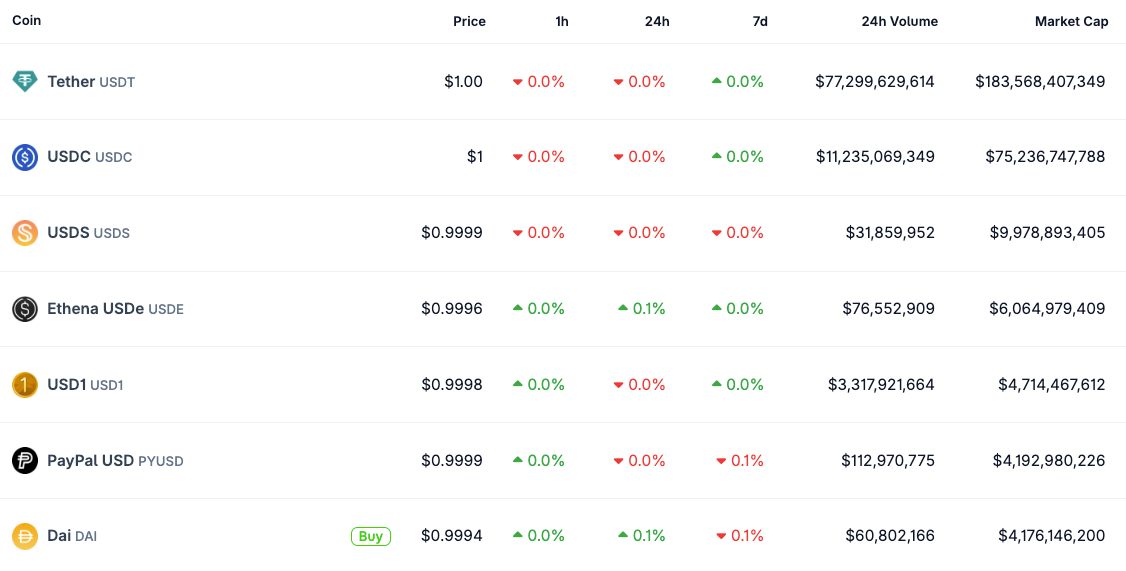
The stablecoin market is becoming increasingly competitive. Giants like Meta are reportedly exploring their own stablecoin-based payment systems. PYUSDx provides PayPal with a strategic advantage by directly catering to the needs of developers. With the backing of a well-established player like PayPal, these application-specific stablecoins gain instant credibility and access to a wider user base. Furthermore, the integration with a regulated entity like Paxos Trust Company, the issuer of PYUSD, adds a layer of regulatory compliance that many competitors lack.
USD.ai, a decentralized finance protocol, is already building on PYUSDx, signaling early confidence in the platform’s potential. This initial adoption highlights the platform’s utility for diverse projects. The integration of PYUSDx with existing PayPal USD infrastructure further expands the real-world utility of stablecoins. This move signifies PayPal‘s commitment to pushing the boundaries of digital payments and cryptocurrency integration. As the project rolls out and gains adoption, we can anticipate more innovation and a broader diversification of applications built on PYUSDx. This could, ultimately, lead to increased adoption and usage of stablecoins across a range of platforms and applications.