


Breaking Down Russia‘s Crypto Shift
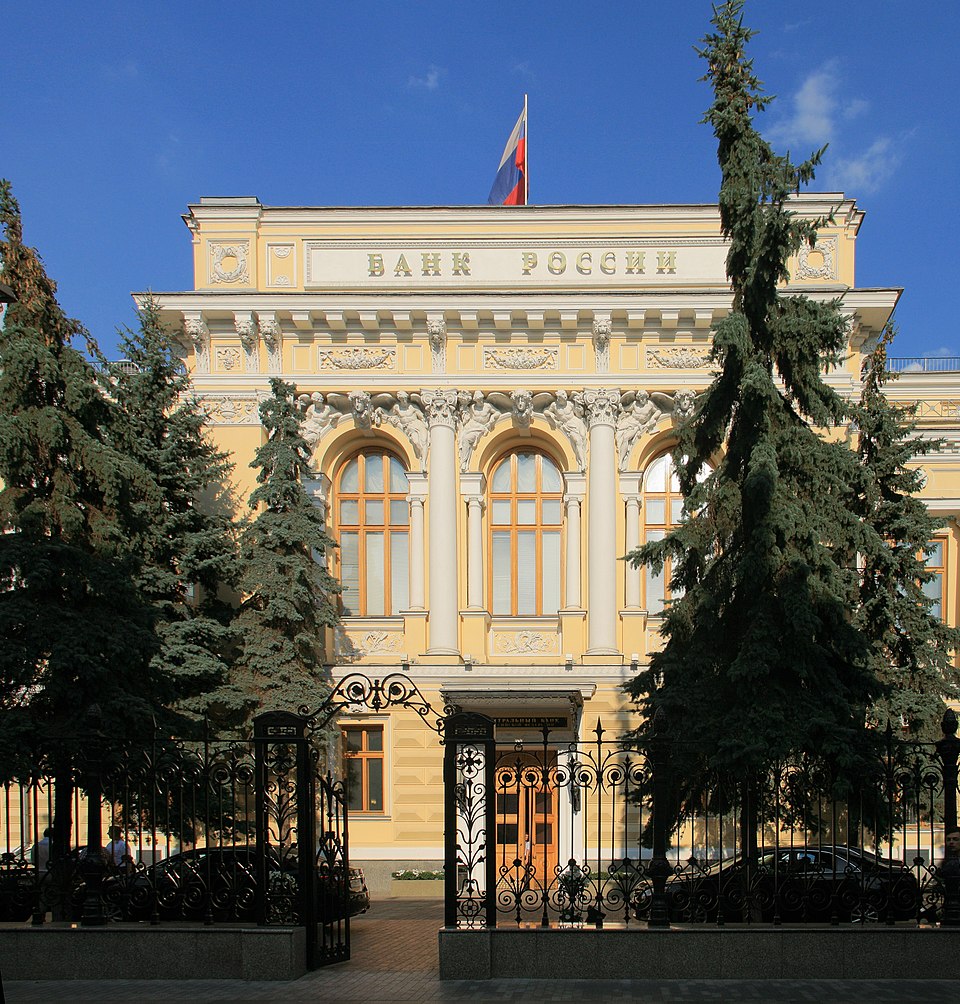
The financial landscape of Russia is on the cusp of a potential transformation. The Bank of Russia has unveiled a policy proposal that could open the doors for retail investors to participate in the cryptocurrency market. This move, if enacted, marks a significant departure from previous stances and regulations, signaling a willingness to cautiously embrace digital assets.
Limited Access, Significant Implications
The proposed regulations, detailed in a recent announcement, outline a tiered approach to crypto access. Non-qualified investors, representing the majority of retail participants, would gain the ability to purchase select cryptocurrencies. However, this access will come with limitations. Investors would need to pass a knowledge test and would be subject to a yearly spending cap of 300,000 rubles (approximately $3,834). Qualified investors, on the other hand, would enjoy broader access, excluding privacy coins, and would also face a knowledge test.
Key Provisions and Restrictions
The proposal encompasses several key aspects, including facilitating access to foreign crypto platforms and enabling payments through foreign accounts. Russian residents would be permitted to utilize foreign platforms, pay with foreign accounts, and transfer their digital assets through Russian intermediaries. However, these transactions would be subject to mandatory notification to the tax service, ensuring compliance and transparency. The central bank has reiterated its stance on cryptocurrencies as high-risk instruments, but they have opened the door, albeit carefully.
A Careful Approach
This follows a recent statement by Vladimir Chistyukhin, the central bank‘s first deputy governor, which hinted at easing crypto regulations. The relaxation of “super-qualified investor” criteria for buying and selling crypto is a significant aspect of the change. This classification, which requires substantial wealth or income, was established earlier this year. The current proposal indicates a more inclusive strategy, paving the way for a broader adoption. The proposal stipulates that crypto transactions would be conducted through licensed exchanges, brokers, and trustees. Specialized depositories and exchanges handling cryptocurrencies will be subject to distinct regulatory requirements.
The Road Ahead
While the Bank of Russia proceeds with caution, this initiative represents a noteworthy development in the global crypto regulatory environment. As the details of the policy are finalized and implemented, it will be essential to monitor its impact on the Russian crypto market. The interplay between risk management, investor protection, and market access will likely shape the evolution of the country’s relationship with cryptocurrencies. The coming months will be critical in determining the trajectory of this evolving landscape.

