


Bitcoin‘s Consolidation Phase: A Look at Accumulation Trends
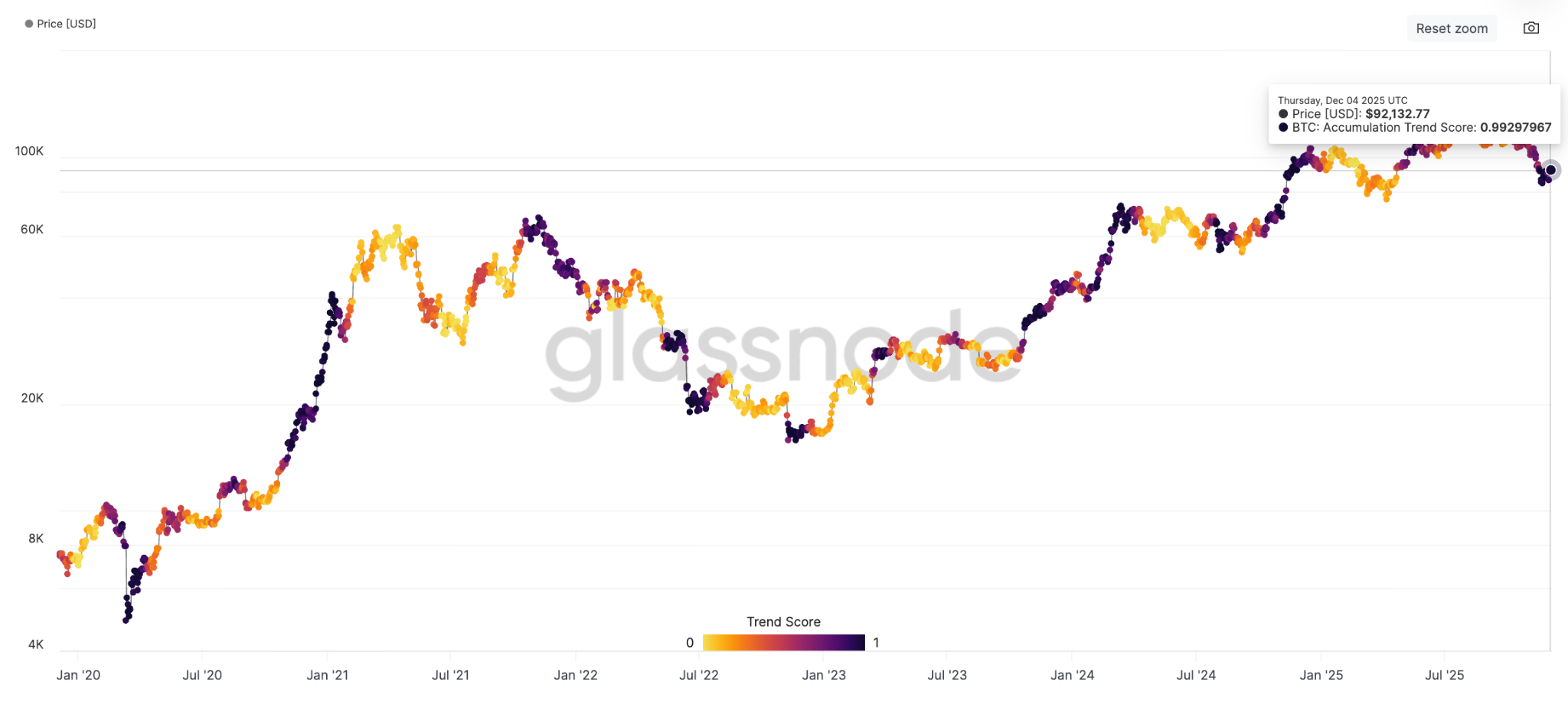
The recent downturn in Bitcoin‘s price has triggered a significant shift in market dynamics. Data analysis indicates that despite a 10% price correction over the last month, a notable consolidation phase is underway, marked by aggressive accumulation from various investor cohorts. This is happening as realized losses reach significant levels, mirroring patterns observed before previous bullish cycles.
Whales and Sharks Lead the Charge
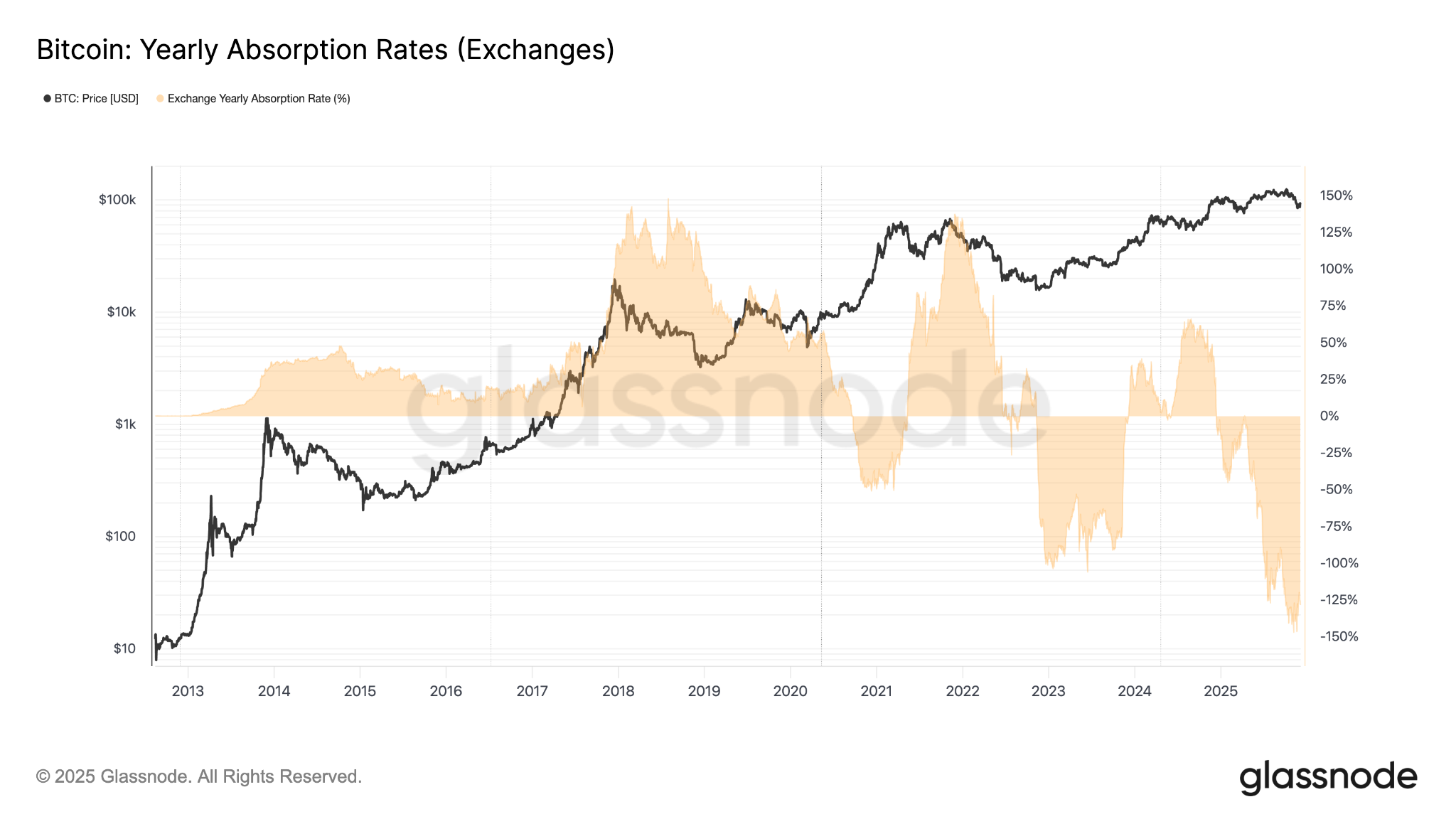
Large Bitcoin holders, often referred to as “whales” and “sharks,” are at the forefront of this accumulation trend. Analysis from on-chain data providers such as Glassnode reveals a heightened appetite for BTC among these entities. They are absorbing an astonishing amount of the newly mined Bitcoin supply, currently estimated at around 240%. This aggressive buying activity suggests a strong conviction in Bitcoin‘s long-term potential, with these investors taking advantage of the recent price dip.
Mid-Sized Holders Join the Accumulation
It’s not just the whales driving this trend. A resurgence in buying activity has been observed among small to mid-sized entities holding between 10 and 1,000 BTC. These investors are also actively accumulating, potentially indicating a broader belief in Bitcoin‘s value proposition.
Realized Losses and Capitulation Signals
The recent price drop has also led to a surge in realized losses. On a specific date, realized losses neared $5.8 billion, marking one of the largest such spikes since the collapse of FTX. This type of event often signifies a period of capitulation, where investors who bought at higher prices sell their holdings at a loss. Historically, such capitulation events have often preceded periods of price recovery and subsequent gains.
A Shift in Momentum?
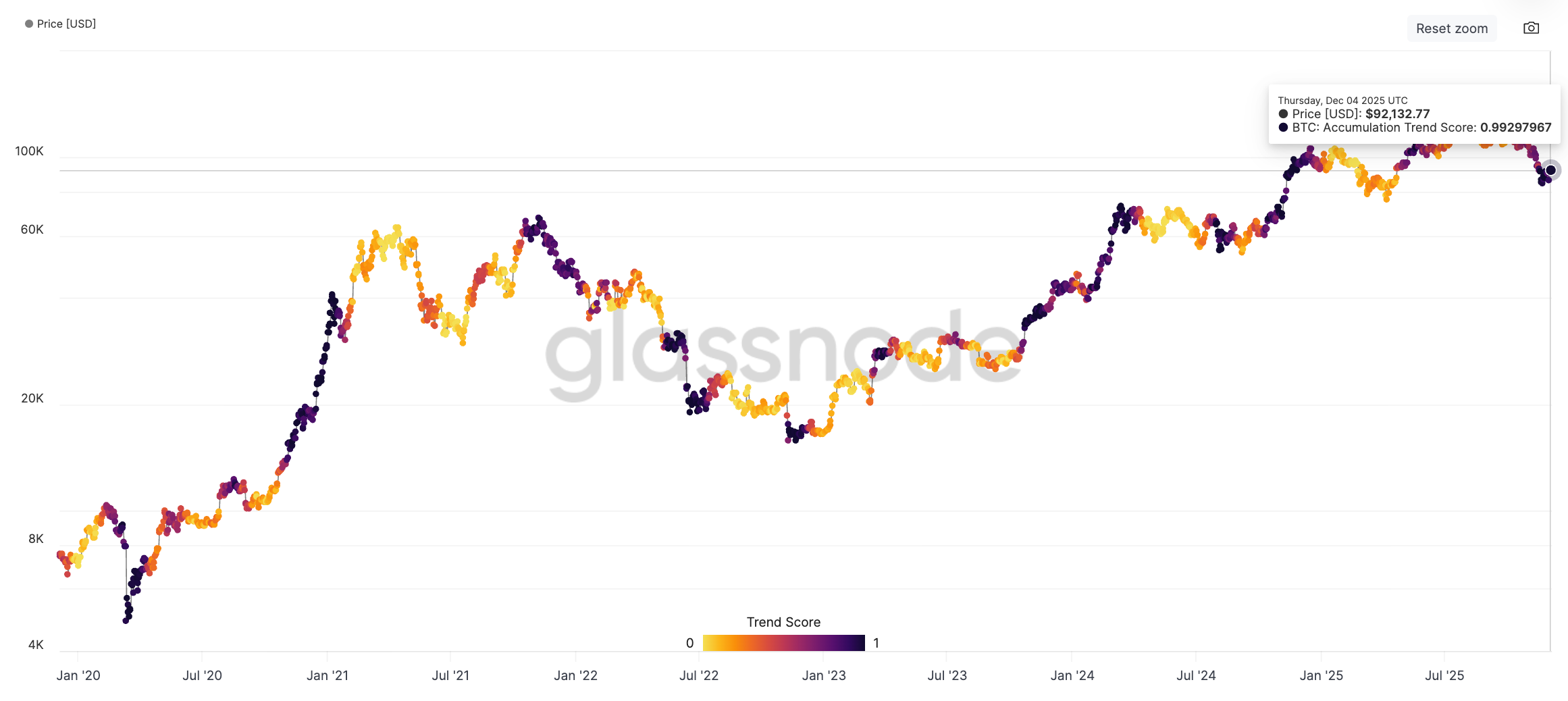
The combination of intense accumulation and significant realized losses paints a compelling picture. The spike in the Bitcoin accumulation trend score, as measured by Glassnode, indicates a transition from distribution to accumulation across almost all cohorts. The absorption rate, coupled with the decline in coins held on exchanges, highlights a preference for self-custody and long-term holding strategies. This shift could signify a potential change in market sentiment, potentially setting the stage for a future bullish move.
Implications and Outlook
The ongoing trend underscores the resilience of Bitcoin and its capacity to attract long-term investors. It is important to note that this analysis is based on historical data and does not guarantee future performance. As with any investment, conducting thorough research and understanding the risks involved is crucial before making any decisions. The evolving landscape of traditional finance incorporating Bitcoin through ETFs and treasury companies adds another layer of complexity that market participants will be keenly observing.

