


Bitcoin Miner Exodus: A January Rundown
January witnessed a significant uptick in Bitcoin outflows from miner wallets, sparking curiosity and debate within the crypto community. On-chain data revealed a considerable movement of BTC, raising questions about potential selling pressure and the health of the mining sector. This analysis delves into the specifics of these outflows, juxtaposing them with public sales disclosures and assessing their broader implications.

The Numbers: A Closer Look at the Data
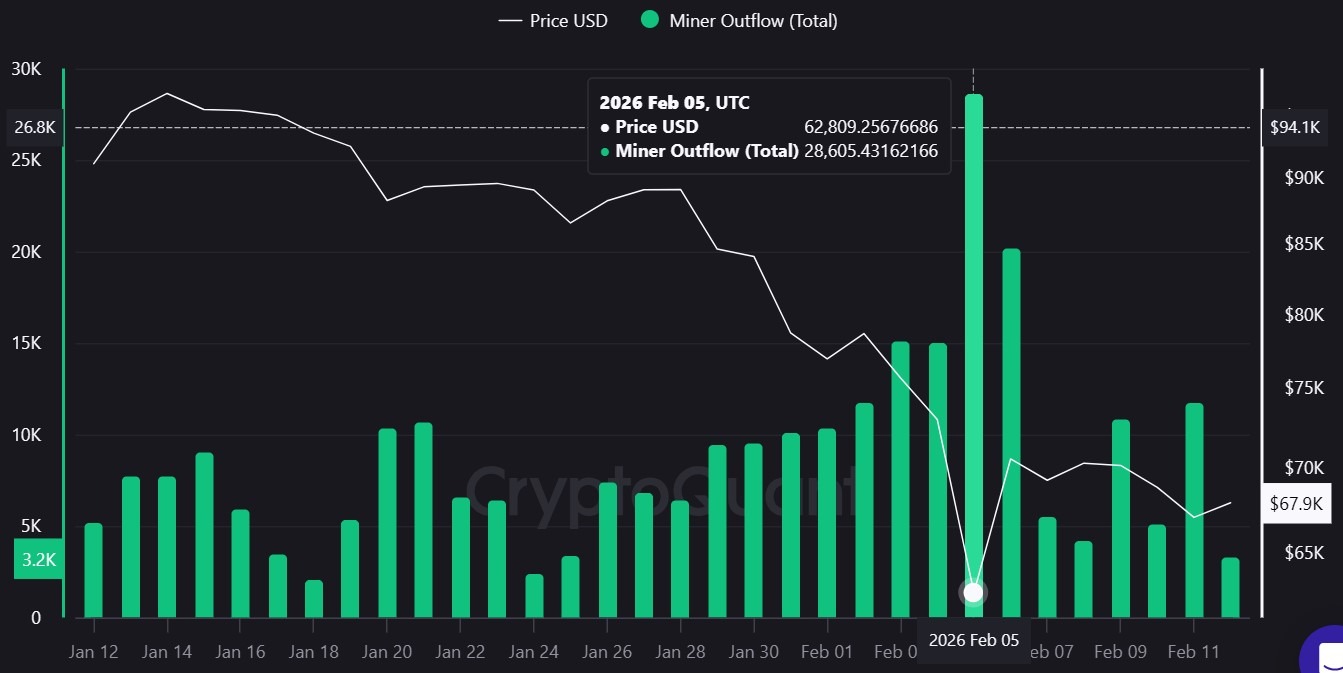
According to on-chain analytics, approximately 49,000 BTC transitioned from miner wallets within a short two-day window. Specifically, February 5th saw 28,605 BTC, valued at roughly $1.8 billion, move from miner-linked addresses, representing one of the largest single-day outflows in recent months. The following day, another 20,169 BTC, equivalent to about $1.4 billion, left miner wallets. These spikes are notable, especially when viewed against the backdrop of volatile price movements during the same period. Such substantial outflows often attract attention, as they can sometimes indicate a shift in miner sentiment.
Outflows vs. Sales: Deciphering the Signals
It’s crucial to understand that miner outflows aren’t always a direct proxy for immediate selling pressure on the open market. While these transfers may include sales, they also encompass internal wallet movements and transactions to other entities. Therefore, the data alone doesn’t definitively confirm large-scale dumping. Examining the disclosed sales figures from publicly listed mining firms offers a more granular perspective. However, the scale of these recent outflows significantly surpasses the combined sales reported by the publicly listed firms that have released their January figures.
Public Miner Disclosures: A Mixed Bag
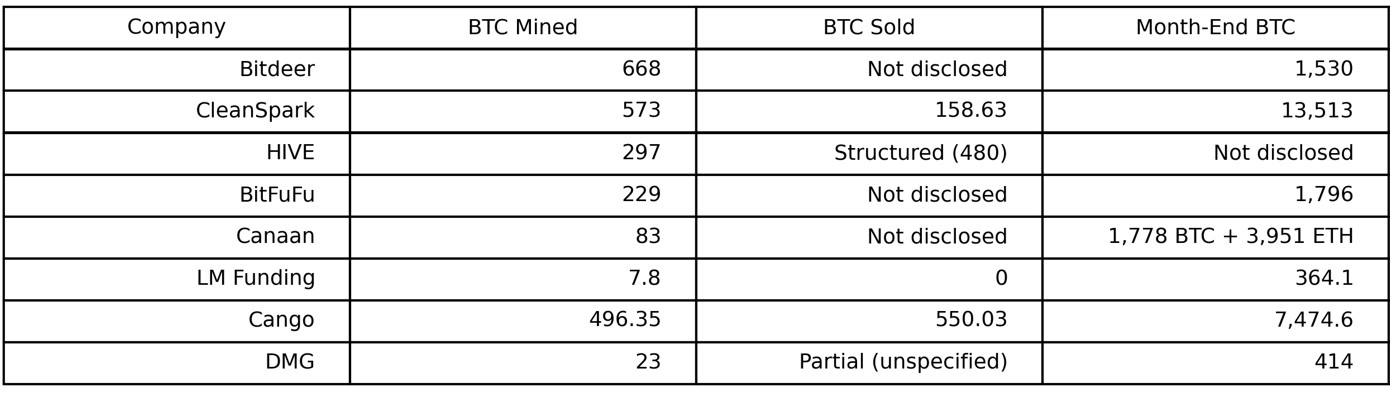
Publicly listed mining companies have varying approaches to managing their Bitcoin holdings. Some, like Cango, have been actively selling newly mined BTC to finance expansion plans. Others, such as CleanSpark, maintained significant Bitcoin reserves despite selling some of their mined coins. Still others, like Canaan, have demonstrated a strategy of accumulating Bitcoin, adding to their existing holdings. This diverse approach highlights that not all miners are responding to market dynamics in the same way.
- CleanSpark mined 573 BTC, selling 158.63 BTC during January.
- Cango mined 496.35 BTC and sold 550.03 BTC, and sold 4,451 BTC in early February.
- Canaan mined 83 BTC and increased its reserves.
- LM Funding mined 7.8 BTC and reported no sales.
External Factors: Winter Storms and Hashrate Fluctuations
Beyond the direct impact of miner sales, external factors have also influenced the Bitcoin mining landscape. Severe winter storms in late January impacted mining operations in parts of the United States. The hashrate dropped sharply as miners curtailed operations to stabilize regional power grids. This event underscores the vulnerability of the mining infrastructure to external environmental factors. However, the hashrate recovered quickly in early February.
Conclusion: A Complex Landscape
The January outflows paint a complex picture of miner activity. While the spike in outflows is undeniable, interpreting their true meaning requires careful consideration of various factors. From differing sales strategies among miners to the impact of external events, it is essential to look beyond the headline numbers and delve into the intricacies of on-chain data to draw meaningful conclusions. The divergence between outflows and publicly disclosed sales, combined with the impact of events like winter storms, points to a dynamic and evolving market. This requires a nuanced approach to assessing its future trajectory.

