

Binance‘s Arbitration Attempt Foiled in US Court
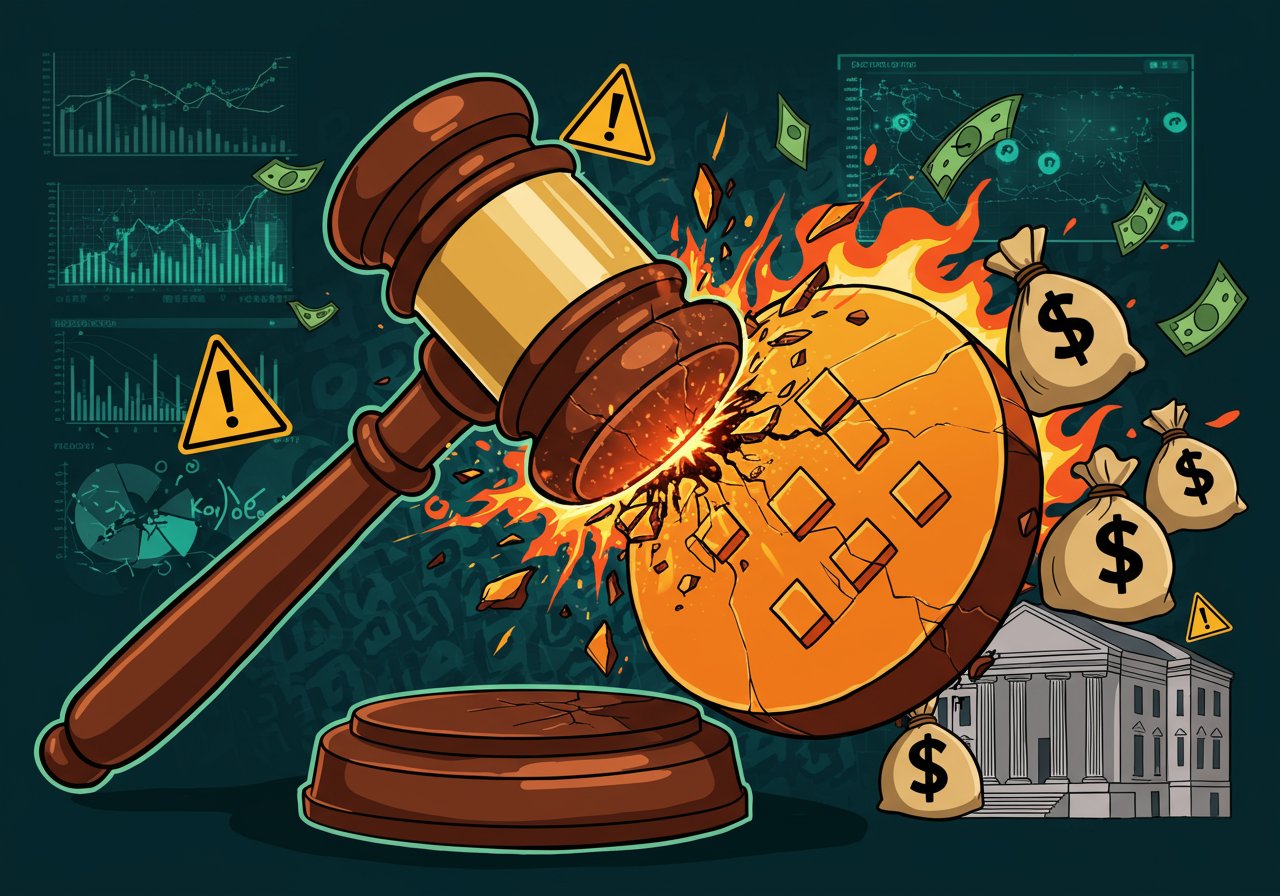
In a significant legal development, a New York judge has denied Binance‘s attempt to compel US customers to resolve pre-2019 claims through arbitration. This decision, handed down by District Judge Andrew Carter Jr., keeps the contentious class action lawsuit in open court, posing potential challenges for the crypto exchange.
The core of the matter revolves around Binance‘s updated terms of service in 2019, which included an arbitration clause. The judge ruled that this clause could not be applied retroactively to claims arising before February 20, 2019. The court found that users did not receive adequate notice of the change, specifically highlighting that Binance‘s reliance on a general change-of-terms clause and website updates was insufficient. The court’s perspective underscores the importance of clear and explicit communication with users regarding alterations to terms of service, especially those affecting legal recourse.

Key Findings and Implications
The judge’s ruling has several noteworthy implications:
- The decision prevents Binance from sidestepping open court proceedings for pre-2019 US customer claims.
- It highlights the legal scrutiny surrounding how cryptocurrency exchanges communicate and implement changes to their terms of service.
- It challenges the enforceability of arbitration clauses that are not clearly communicated to users.
The lawsuit, known as Williams v. Binance, is a class action brought by US investors alleging the illegal sale of unregistered securities on Binance.com and failure to register as a broker-dealer. While Binance claims post-2019 claims have been dismissed, the remaining claims will now proceed in a US federal court, ensuring judicial oversight rather than private arbitration in Singapore. This shift could mean greater transparency and public access to the legal proceedings, and potentially impact how other crypto platforms handle user claims.
Binance has stated that they will continue to defend the remaining claims. However, this legal battle underscores the evolving regulatory landscape for cryptocurrency exchanges, particularly in the United States. The case serves as a warning for crypto platforms about unilaterally changing their user agreements and the need for clear communication. The outcome of this lawsuit could set a precedent for how US courts approach disputes involving crypto exchanges and their users, influencing the industry’s approach to contracts and legal liability.
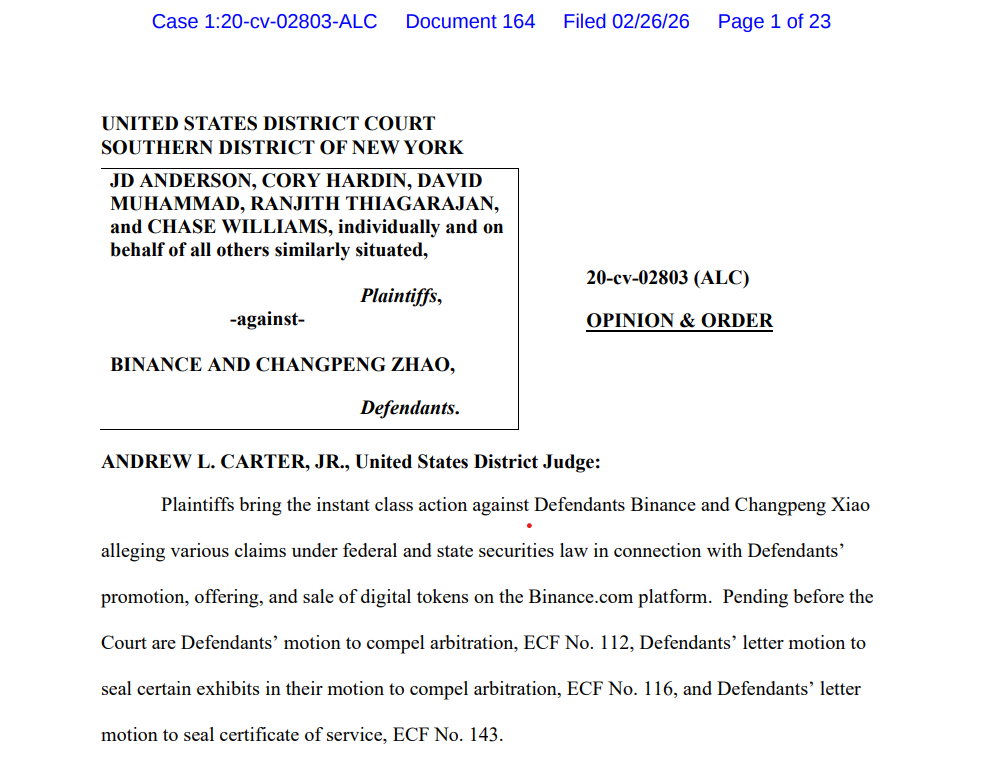
This ruling is a piece of the larger puzzle of US regulatory actions against the crypto industry. The legal battles highlight the challenges crypto exchanges face while navigating a complex set of regulations. The court’s rejection of Binance’s arbitration bid could embolden similar actions against other exchanges, increasing the need for exchanges to review their legal documentation to prevent similar outcomes. The case highlights that even in a decentralized world, traditional legal principles regarding contract law and user notice still apply.
“The decision underscores that crypto exchanges are not immune to well-established principles of contract law,” a legal analyst commented. “Clear and unambiguous communication of terms is critical to their enforceability.”

