Crossmint‘s MiCA Milestone: A New Dawn for Stablecoin Infrastructure in the EU
In a significant development for the European crypto landscape, Crossmint has received Markets in Crypto Assets Regulation (MiCA) authorization from Spain’s Comisión Nacional del Mercado de Valores (CNMV). This crucial approval allows the company to operate as a crypto asset service provider (CASP) and offer stablecoin infrastructure services across all 27 European Union member states. This marks a turning point, signaling a clear shift towards regulated crypto services and increased investor and user confidence.

MiCA‘s Impact: Leveling the Playing Field
Miguel Angel Zapatero, Crossmint‘s general counsel, highlighted that the company was held to standards comparable to traditional financial institutions. He emphasized that MiCA‘s implementation establishes a “level playing field” for crypto businesses. This fosters a sense of trust in the sector by enforcing consistent standards and regulations. Gone are the days of the “wild west”; MiCA is designed to bring certainty to more conventional clients who were hesitant to engage with crypto technologies previously.
Services Covered by the MiCA Authorization
Crossmint’s authorization encompasses essential CASP activities, including:
- Fiat-to-crypto exchanges in both directions.
- Custody services for crypto assets on behalf of clients.
- Transfers between wallets and across various blockchains.
Rodri Fernández Touza, Crossmint co-founder, stated that the company focuses on providing stablecoin infrastructure for different use cases, clients, and industries, differentiating itself from trading platforms. This B2B approach, he argues, is a key element of their competitive advantage within the MiCA-authorized business landscape.
The Rigorous Authorization Process
The authorization process undertaken by Crossmint was thorough, mirroring the licensing requirements typically applied to banks. The CNMV thoroughly assessed Anti-Money Laundering (AML) and Counter-Financing Terrorism (CFT) programs to ensure they met the EU standards. This comprehensive evaluation required over 18 months of iterative reviews. This meticulous approach underscores the seriousness of MiCA compliance and emphasizes the commitment of regulators to safeguard consumer interests.
Transition Period and Client Demand
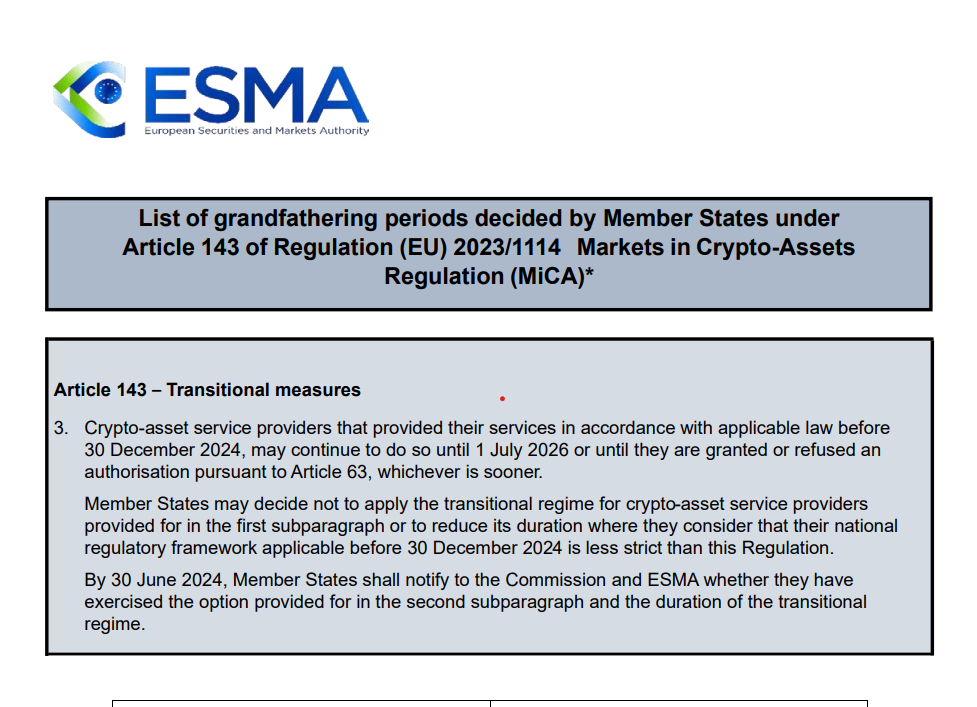
With the “grandfathering period” – a transitional period allowing businesses operating under national rules to seek MiCA licenses – ending around July, Crossmint anticipates growing demand. Many of their target clients, including remittance firms, payroll platforms, and marketplaces, are now mandated to use MiCA-licensed partners. This is because non-compliant providers risk being blacklisted by regulators. Crossmint is strategically positioned to meet this demand, presenting its MiCA licensing as an accessible solution for businesses that prefer to integrate with existing infrastructure rather than navigating the lengthy and costly authorization process.
The Road Ahead: Increased Compliance and Market Consolidation
As the transition period concludes, Fernández Touza anticipates three categories of demand: enterprises and fintechs whose current providers will become unusable, national regime incumbents deciding between full MiCA compliance or exiting, and unlicensed providers forced out by enforcement. This is expected to lead to greater consolidation within the market. Furthermore, Crossmint will soon be formally listed on the European Securities and Markets Authority’s (ESMA) public register.
MiCA‘s Wider Impact: A New Era for Crypto in Europe
The CNMV in Spain and other European regulators have published guidance and transition Q&As that require crypto providers to either pursue CASP authorization or cease operations. The French market regulator, for example, has flagged numerous unlicensed crypto companies, and ESMA expects non-compliant businesses to implement “orderly wind-down” plans. This will likely result in a significant portion of today’s EU crypto providers either closing down or migrating clients to fully licensed partners, paving the way for a more regulated and secure crypto ecosystem.
This evolving landscape underscores the increasing importance of regulatory compliance in the crypto sector within the EU.