


Privacy at the Heart of the Digital Euro Debate
The European Union’s ambitious digital euro project is facing a critical juncture, with the thorny issue of privacy emerging as a central point of contention. As policymakers and institutions navigate the complex landscape of central bank digital currencies (CBDCs), the balance between user privacy and online functionality is proving to be a delicate act of political maneuvering. This article delves into the core challenges, examining the competing interests and potential outcomes that will shape the digital euro‘s final form.
The Clash of Interests: Privacy vs. Functionality
The European Central Bank (ECB) and European lawmakers are currently grappling with the specifics of the digital euro‘s design, particularly concerning the level of privacy it will offer. At the heart of the debate lies the concept of “cash-like privacy,” a feature that would afford users a degree of anonymity similar to physical cash transactions. However, this level of privacy clashes with the need for robust anti-money laundering (AML) measures and the realities of operating a digital currency within existing financial regulations. Apostolos Thomadakis from the European Policy Studies think tank, highlights that “cash-like privacy” alongside AML rules is among the digital euro’s “hardest political tradeoffs.”
Potential Compromises and Expected Outcomes
To move forward, a compromise is likely necessary. Experts predict that European lawmakers might have to accept a digital euro with online functionality for everyday use, while the ECB and EU Council will need to implement stronger, enforceable privacy safeguards. This delicate balancing act aims to protect user privacy while simultaneously ensuring the digital euro can be effectively used in the digital age. Key areas still under deliberation include the level of privacy provided online, exemption rules, and service provider compensation models. Furthermore, holding limits are also under discussion, aiming to prevent large deposits from destabilizing traditional banks.
Global Context and Regulatory Pressures
The development of the digital euro is occurring against a backdrop of intensifying global interest in CBDCs. The rise of stablecoins and the pressures on existing financial systems have prompted policymakers worldwide to explore digital currency options. The ECB aims for the digital euro to strengthen the euro’s international position. Discussions around cross-border CBDC interoperability are also gaining momentum. The urgency to finalize the legal framework for the digital euro is emphasized by Thomadakis, who notes that delays beyond 2026 could jeopardize the project’s timeline, potentially impacting pilot programs and merchant adoption.
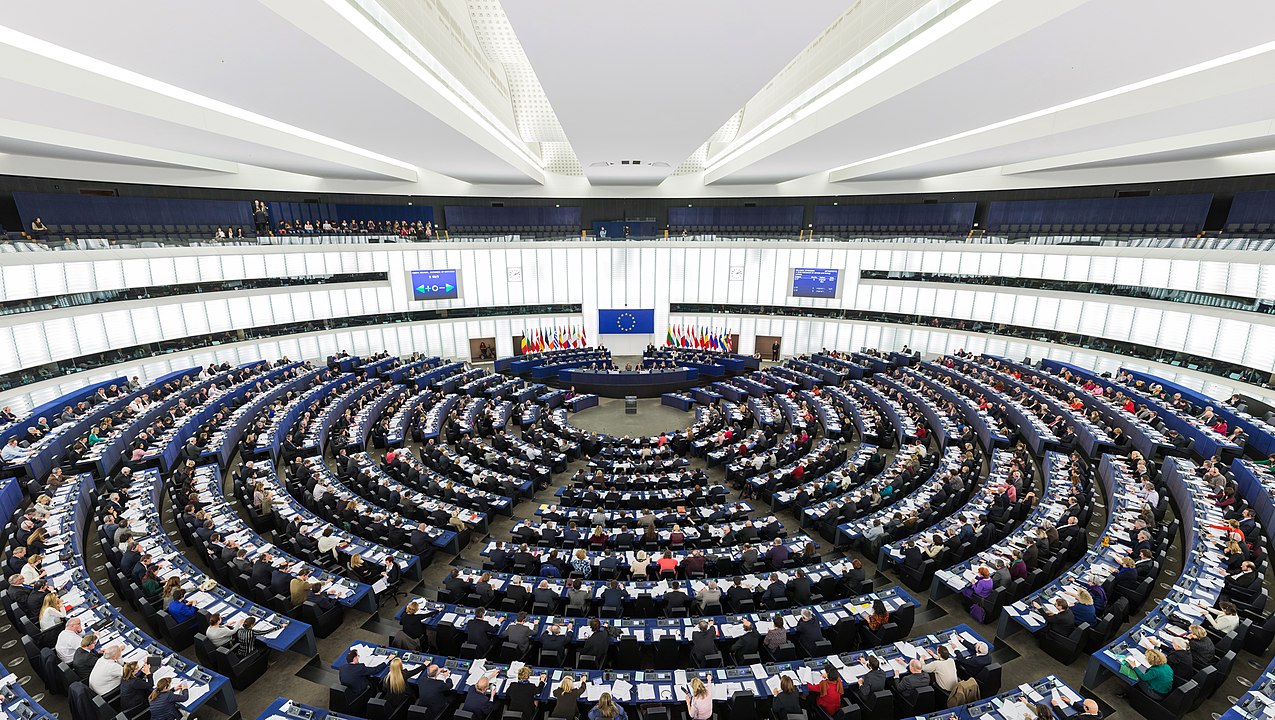
Looking Ahead
The digital euro’s future hinges on the ability of stakeholders to find common ground on these crucial issues. The choices made now will determine not only the level of privacy afforded to users, but also the digital euro‘s overall functionality and its ultimate success as a viable alternative within the European financial ecosystem. As the project progresses, monitoring the ongoing discussions, compromises, and their impact on digital privacy will be vital for anyone invested in the future of finance.

