

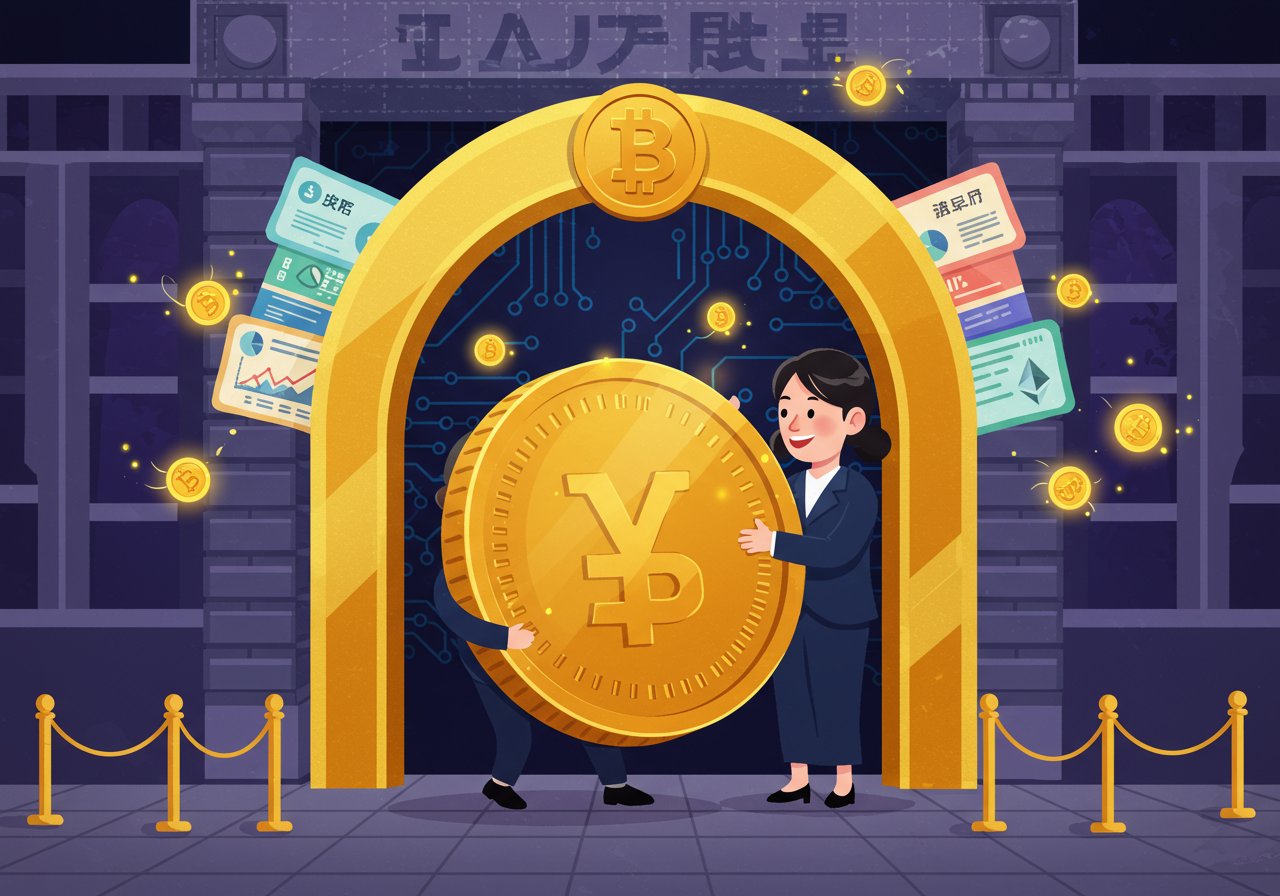
Japan Embraces Crypto Through Regulated Exchanges
The Japanese government is signaling a clear intention to integrate cryptocurrencies within its existing financial framework, with a strong emphasis on regulated exchanges as the primary gateway for digital assets. Finance Minister Satsuki Katayama recently underscored this direction, emphasizing the crucial role of established securities exchanges and market infrastructure in fostering a secure and accessible crypto market. This move represents a significant shift, potentially reshaping how both Japanese citizens and global investors interact with the digital asset landscape.

A Shift Towards Traditional Market Oversight
Katayama’s remarks, delivered at the Tokyo Stock Exchange’s New Year opening ceremony, highlighted 2026 as the year of full-scale digitalization. This echoes a broader regulatory trend of aligning cryptocurrencies with traditional capital markets. The objective is to ensure that citizens benefit from digital and blockchain-based assets by leveraging the expertise and infrastructure of established financial institutions. This approach is evident in several key regulatory changes underway within Japan.

Stricter Regulations and Tax Reforms
Japan is moving to bring crypto assets under the Financial Instruments and Exchange Act, treating them as financial products rather than payment tools. This move would subject crypto issuance and trading to securities-style regulations, including stricter disclosure mandates and prohibitions against insider trading. Furthermore, the government is planning to introduce a flat 20% tax on crypto profits, aligning crypto with stocks and investment funds and replacing the previous, potentially higher, tax rates. These changes reflect a deliberate effort to standardize crypto’s integration within the existing Japanese financial system rather than maintaining it as a separate entity.
Enforcement and Market Impact
The policy direction is already translating into enforcement actions. Regulators have requested that app stores remove applications associated with unregistered crypto exchanges, restricting access for Japanese users to compliant platforms. This regulatory pressure is already reshaping market participation, with some exchanges phasing out services for Japanese residents due to the new requirements. Simultaneously, regulators are supporting bank-led stablecoin initiatives, suggesting that regulated institutions will play a more prominent role in the crypto asset market going forward.
Implications and Future Outlook
This approach signifies a mature and considered regulatory framework. While potentially limiting immediate access for some, it aims to protect investors, promote market integrity, and foster sustainable growth. This could lead to increased institutional involvement and further innovation within Japan‘s digital asset sector. The government’s actions demonstrate a commitment to bringing crypto into the mainstream financial system, creating a more secure and accessible environment for all participants. The emphasis on regulated exchanges serves as the cornerstone of this evolution, shaping the future of crypto in Japan.

