

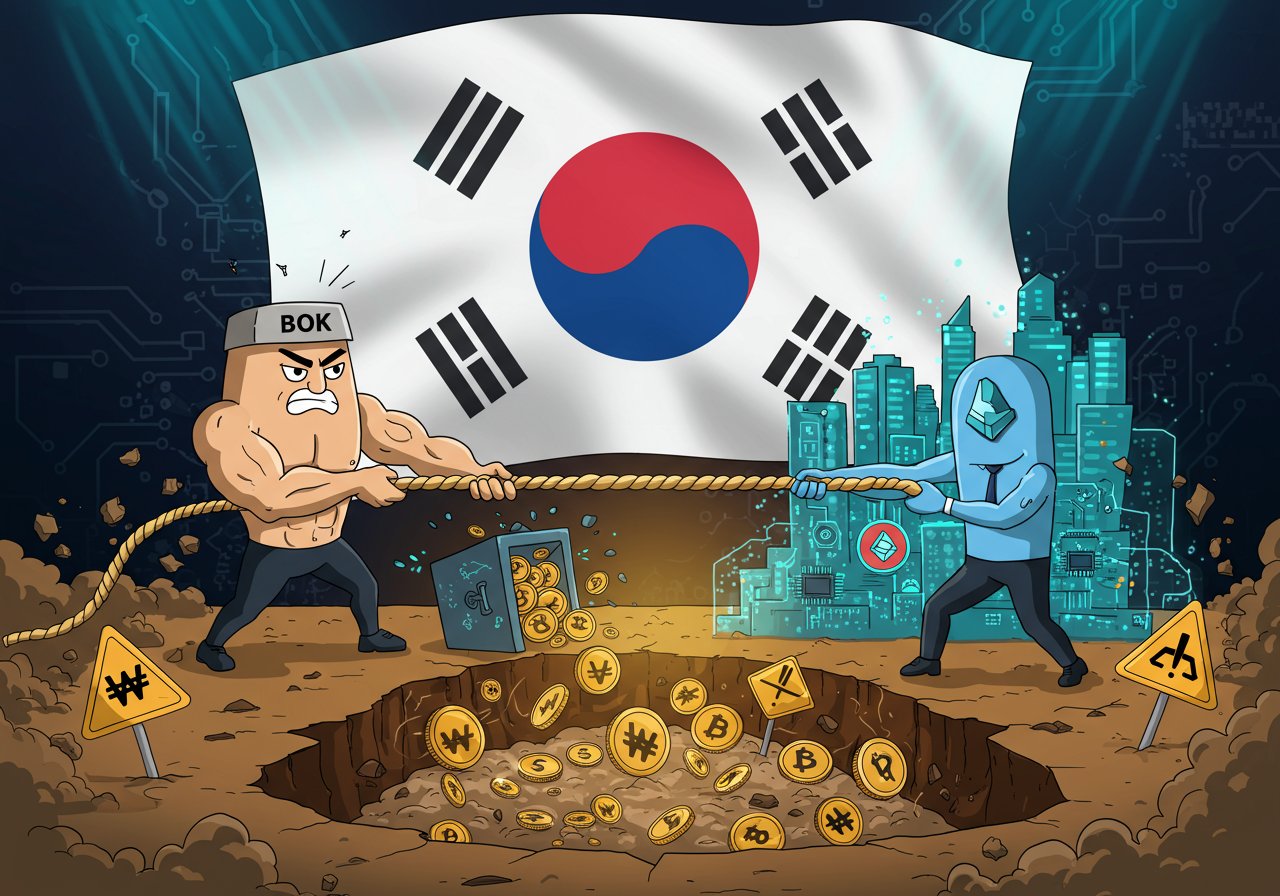
Seoul’s Stablecoin Sprint: A Race Against the Clock
The South Korean financial landscape is bracing for a potential seismic shift. Lawmakers are urgently pushing financial regulators to deliver a draft stablecoin bill, with a critical deadline of December 10th looming. This accelerated timeline underscores the nation’s determination to establish a clear regulatory framework for digital assets, particularly those pegged to the Korean Won (KRW). However, the path forward is fraught with challenges, primarily revolving around the role of traditional banking institutions.
Discord on Bank Involvement: The Core of the Standoff
At the heart of the current stalemate lies a fundamental disagreement. The Bank of Korea (BOK), the nation’s central bank, favors a model where banks wield significant control, potentially owning a majority stake in stablecoin issuers. Their rationale centers on the existing regulatory oversight and anti-money laundering (AML) expertise that banks possess. This perspective seeks to ensure stability and mitigate potential risks within the nascent stablecoin market. However, this approach has faced resistance from other regulators who advocate for a more diverse ecosystem, allowing for broader participation from various entities.
Legislative Pressure and the Push for Progress
The urgency to finalize the bill is palpable. Lawmakers from the ruling Democratic Party are employing pressure tactics, issuing a “last-minute notice” to regulators. This aggressive stance reflects a desire to move beyond the current deadlock and foster a thriving digital asset market within the country. If the government bill fails to meet the December 10th deadline, alternative legislative paths will be explored, potentially accelerating the process even further.
What’s at Stake? Implications for the Crypto Market
The outcome of this regulatory push will have significant implications for South Korea‘s crypto ecosystem. A successful bill could pave the way for innovation, attracting investment and fostering the development of KRW-pegged stablecoins. This, in turn, could boost trading activity and solidify South Korea‘s position as a regional crypto hub. However, a protracted delay or a restrictive regulatory framework could stifle growth and hinder the widespread adoption of digital assets. The FSC‘s statement about no finalized consortium decision adds another layer of complexity to the ongoing process.
Beyond Banks: Seeking a Balanced Approach
The debate extends beyond the role of banks, with stakeholders advocating for clarity and flexibility. Some experts argue that establishing clear rules for issuers, irrespective of their ownership structure, is crucial. Moreover, providing guidelines on risk mitigation and issuer qualifications would enhance trust and accelerate market adoption. The ultimate goal is to strike a balance between safeguarding monetary policy and fostering innovation, ensuring a stable and dynamic digital asset environment for years to come.
The situation remains fluid, and the coming weeks will be critical in shaping the future of stablecoins in South Korea. The extraordinary session of the National Assembly scheduled for January 2026 will be the focal point for discussing the bill if it gets delivered on time. The outcome is eagerly awaited by both domestic and international crypto participants.

