US Crypto Bill Hits a Wall
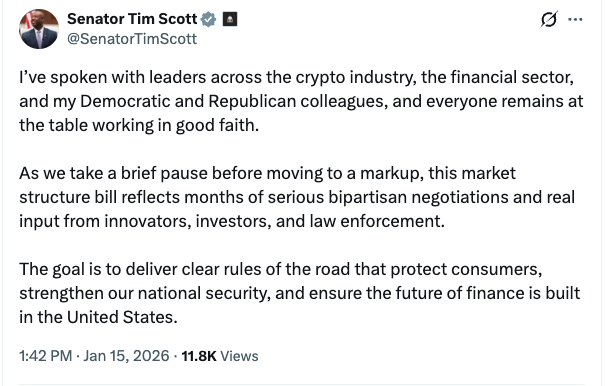
The much-anticipated US crypto market structure bill, once hailed as a potential landmark for digital asset regulation, finds itself in a precarious position. Delays and disagreements have cast a shadow over its future, with major industry players like Coinbase pulling their support. This setback signals a critical juncture for the crypto space, raising questions about the direction of future regulations and the industry’s ability to find common ground with lawmakers.
Industry Concerns and the Exodus of Support
The core issue appears to be a fundamental disconnect between the crypto industry and the proposed legislation. Coinbase, a leading voice in the space, cited several key objections, including concerns about restrictions on decentralized finance (DeFi), potential limitations on stablecoins, and disagreements over the division of authority between the Securities and Exchange Commission (SEC) and the Commodity Futures Trading Commission (CFTC). These concerns reflect deeper anxieties about the bill’s potential impact on innovation and the future of the crypto landscape.
Divergent Perspectives: Lawmakers and the Crypto Community
The legislative process has become a battleground of differing perspectives. While some lawmakers emphasize the need for consumer protection and financial stability, the crypto industry is fiercely advocating for regulations that foster innovation and avoid stifling the potential of new technologies. The withdrawal of support from major players underscores the complexity of this delicate balance, highlighting the challenges of bridging the gap between established financial norms and the rapidly evolving world of digital assets.
The Future of Crypto Regulation in the US
The current impasse raises questions about the timeline for comprehensive crypto legislation. Originally targeted for passage by September 2025, the deadline has been repeatedly pushed back. Experts suggest that even if a bill eventually passes, its implementation could take years, due to the extensive rulemaking required by regulatory agencies. This includes defining frameworks for DeFi, stablecoins, and other critical elements of the digital asset ecosystem.
Challenges and Potential Outcomes
- DeFi Hurdles: Clarity around the launch and operation of DeFi protocols remains a significant point of contention.
- Stablecoin Regulations: The debate over interest-bearing stablecoins reflects a broader clash between traditional financial institutions and the crypto industry.
- Agency Authority: Disagreements over the SEC and CFTC‘s jurisdiction further complicate the legislative process.
The path forward is uncertain, with stakeholders working to find solutions. Kraken’s co-CEO, Arjun Sethi, emphasizes that the challenges are part of the process and the effort hasn’t failed, it simply requires hard work. However, Rachel Lin, CEO of SynFutures, underscores the need for clarity to come from the legislation itself, rather than from future regulatory guidance. This requires careful consideration of the long-term impact on the crypto space, ensuring consumer protection while fostering innovation.
“We’d rather have no bill than a bad bill. Hopefully we can all get to a better draft.” – Brian Armstrong, CEO of Coinbase
As the debate continues, the US crypto market structure bill remains in a state of flux. The outcome will have profound implications for the industry’s future in the United States and the global landscape of digital assets.