

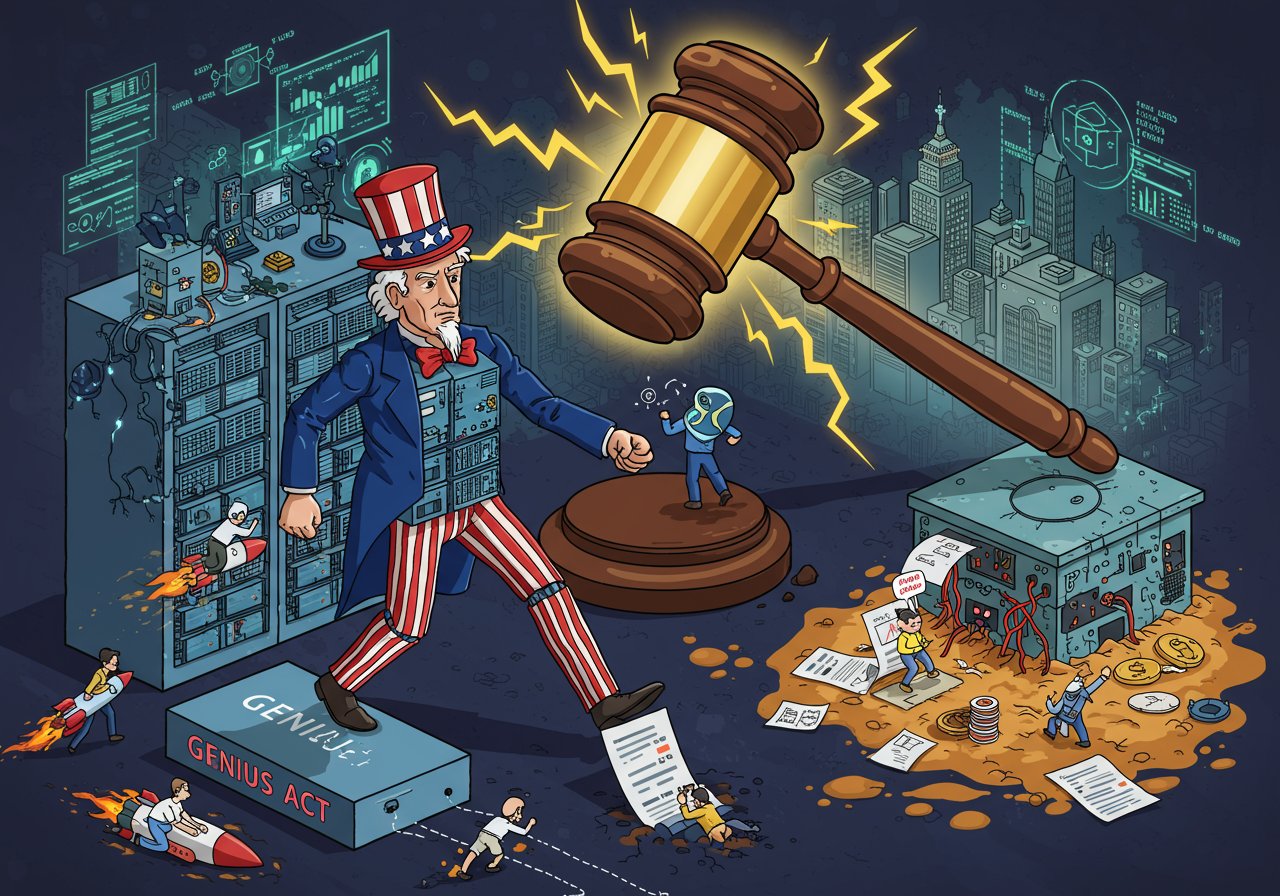
The ‘Crypto Capital‘ Contradiction: US Developer Crackdowns vs. Pro-Crypto Rhetoric
The United States’ ambition to be the world’s ‘crypto capital‘ faces a significant test. While the White House champions the GENIUS Act and promotes a pro-crypto agenda, the reality of ongoing prosecutions against developers, particularly in high-profile cases like Tornado Cash and Samourai Wallet, raises critical questions about the true legal landscape for those building the future of decentralized finance. This article delves into the inherent contradictions and the potential consequences for the crypto ecosystem.

The Gray Area Between Code and Compliance
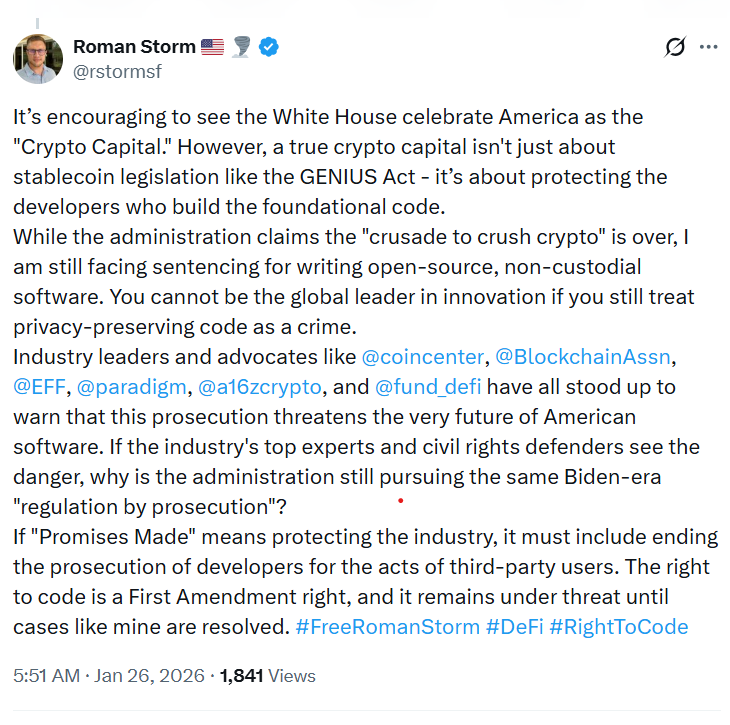
The core of the issue lies in the blurry line between developing open-source code and operating as a financial intermediary. The Samourai Wallet case, where founders faced significant prison sentences, exemplifies this ambiguity. Even though the wallet maintained a non-custodial design, authorities argued that it facilitated illicit activities. This raises concerns among developers, particularly regarding privacy-focused and decentralized finance (DeFi) tools that interact with US users, regardless of whether developers directly control user funds.
Regulatory Uncertainty and the Impact on Innovation
The uncertainty fuels a climate of fear, potentially driving developers and innovation offshore. The recent introduction of the Blockchain Regulatory Certainty Act, spearheaded by Senators Cynthia Lummis and Ron Wyden, attempts to clarify the legal status of non-custodial developers. The Act seeks to protect those who do not control user funds from being classified as money transmitters. However, the exact definition of “control” remains a critical point of contention.
The GENIUS Act and the Path Forward
The GENIUS Act, designed to foster a stablecoin ecosystem, has been hailed as a positive step. However, it’s not a silver bullet. Industry experts stress the need for clear demarcations between infrastructure providers and financial intermediaries, rooted in custody, control, and discretion. Without such clarity, the US framework risks being perceived as unpredictable, hindering the growth of its crypto sector.
Implications for the Future
- Developer Flight: Unclear regulations could push developers to jurisdictions with more favorable legal frameworks.
- DeFi Innovation Slowdown: Fear of prosecution could stifle innovation in privacy-focused and DeFi applications.
- Regulatory Scrutiny: Increased scrutiny of projects interacting with US users, potentially leading to increased costs and compliance burdens.
The tension between promoting crypto and prosecuting developers will significantly shape the future of the crypto industry within the US. The actions taken today will determine whether the United States can genuinely live up to its ambitions of becoming the “crypto capital of the world.”

