Combating Crypto’s Address Poisoning Crisis
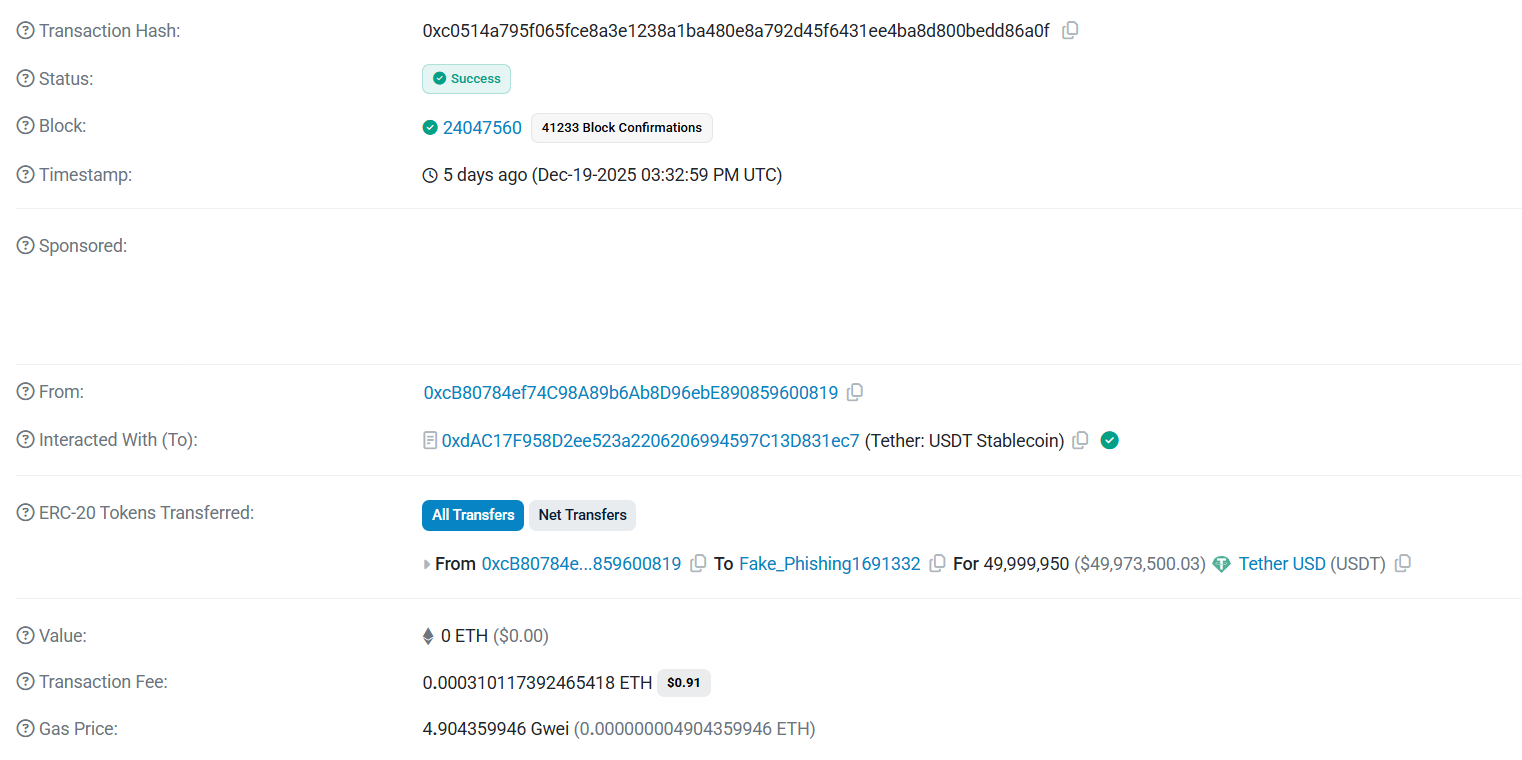
In the wake of a devastating $50 million loss due to an address poisoning scheme, Binance co-founder Changpeng Zhao (CZ) has proposed a series of crucial security measures aimed at curbing this insidious form of crypto theft. The incident, involving a single victim, underscores the escalating sophistication of phishing attacks targeting digital asset holders. CZ’s proactive response highlights the need for a multi-faceted approach to security within the blockchain ecosystem.

The Mechanics of Address Poisoning
Address poisoning, a particularly insidious phishing tactic, involves scammers sending a small transaction to a user, subtly nudging them toward a malicious address. The aim is to manipulate unsuspecting users into inadvertently copying and pasting the attacker’s wallet address when initiating future transactions. This method exploits the human tendency to use wallet transaction history, making it a surprisingly effective attack vector. Recent data from Scam Sniffer reveals the scale of the problem: phishing scams cost victims over $7.7 million in November alone, with address poisoning contributing significantly to the losses.
CZ’s Proposed Solutions: A Layered Defense
CZ’s proposals center on proactive preventative measures that could drastically reduce the effectiveness of these scams:
- Blacklisting Suspicious Addresses: Implementing industry-wide blacklists to flag known “poison addresses.” Wallets would then check receiving addresses against these lists, providing immediate warnings or blocking transactions.
- Enhanced Wallet Warnings: Wallets could actively warn users when they attempt to send funds to potentially compromised addresses, raising awareness of the threat.
- Transaction Filtering: Wallets should filter out or avoid displaying spam transactions, especially those with small value, to reduce the likelihood of users inadvertently interacting with malicious actors.
The implications of CZ’s proposals extend beyond Binance, calling for broader industry adoption. The effectiveness of these measures hinges on collaborative efforts between exchanges, wallet providers, and security firms. As phishing evolves, it’s imperative to continuously develop and implement new countermeasures. Security company CertiK has identified phishing as the most damaging crypto scam of 2024, emphasizing the urgent need for robust defenses. While recovering stolen funds is rare, the implementation of proactive measures such as those proposed by CZ offers the best chance of preventing future losses.