

The Rise of Sophisticated MetaMask Phishing Attacks
The decentralized finance (DeFi) landscape is under constant assault, and a new wave of phishing attacks is targeting users of MetaMask, the popular self-custodial wallet. Blockchain security firm SlowMist has issued a warning about attackers impersonating MetaMask to steal users’ secret recovery phrases, the keys to their crypto kingdoms. These sophisticated schemes leverage the perceived security of two-factor authentication (2FA) to trick unsuspecting users into handing over sensitive information.

The Phishing Tactics: How the Scams Work
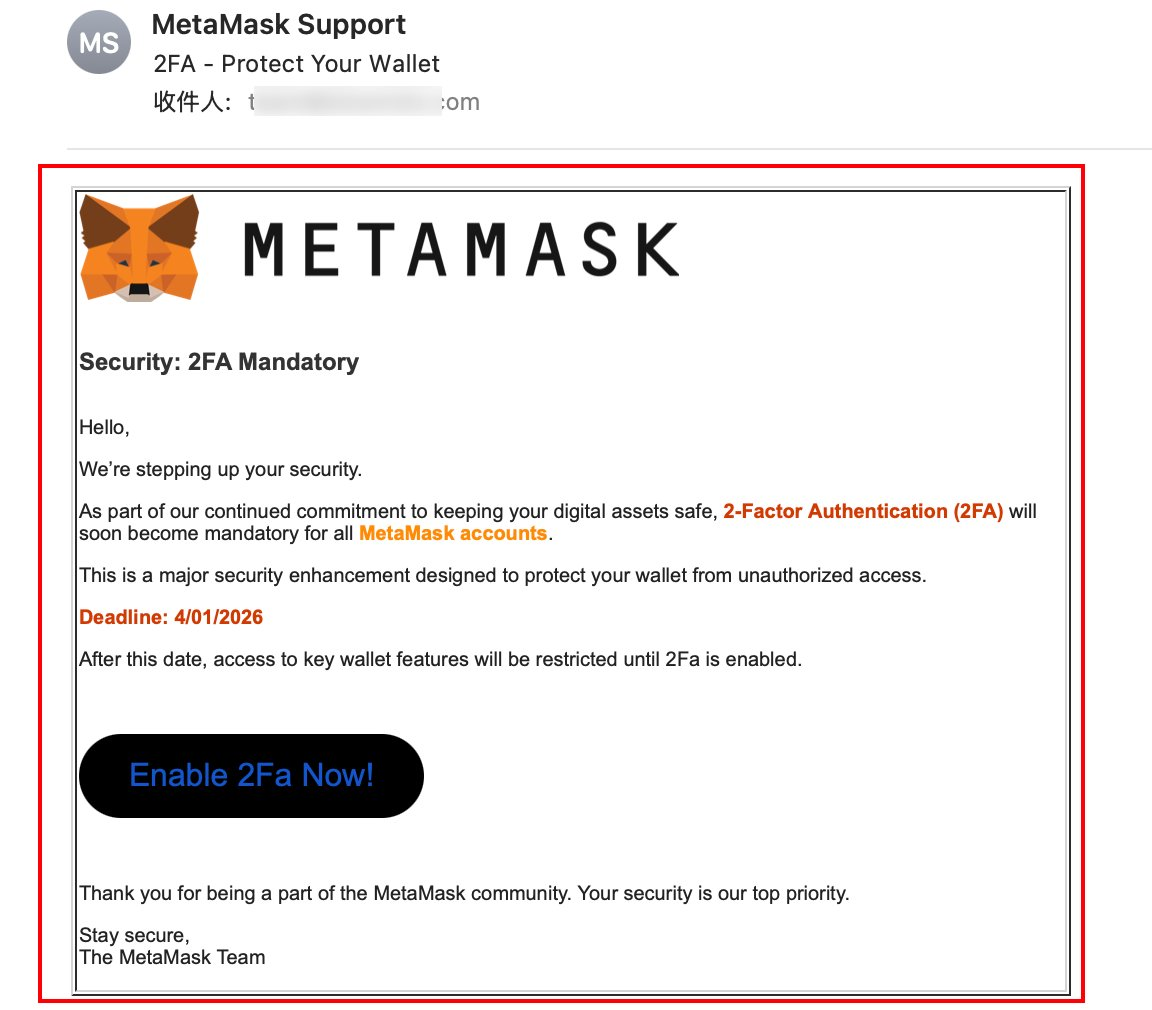
The attackers employ a clever strategy, creating fake security warnings that mimic MetaMask‘s legitimate notifications. These warnings redirect users to fraudulent domains, cleverly designed to mirror the authentic MetaMask interface. The core of the deception lies in a fabricated 2FA security verification process. Users are led to believe that they need to enable 2FA within a limited timeframe to avoid losing access to crucial wallet features. The final, fatal step in this deceptive process is a request for the user’s 12-word seed phrase, ostensibly to complete the security setup. This is where the scam succeeds, allowing attackers to seize control of the victim’s wallet and its contents.
Understanding the Risks and Protecting Yourself
It’s crucial to remember that MetaMask, like any reputable self-custodial wallet, will never ask for your secret recovery phrase. This phrase is the master key to your digital assets, and keeping it private is paramount. Always be wary of unsolicited emails, messages, or links, especially those claiming to be from MetaMask or any other financial service provider. Double-check the website address to ensure you’re on the legitimate platform. If anything seems suspicious, cease all interaction immediately. Consider enabling hardware security keys for additional protection, if possible.
A Diminishing Trend, but Persistent Threat
While reports indicate a decrease in the overall number of phishing incidents, the risk remains. Although Web3 security tools like Scam Sniffer reported an 83% decrease in phishing scam losses in 2025, and a 68% decrease in victims, the danger persists, and even thrives during periods of market activity. The decrease of scams highlights the importance of user education and awareness in mitigating the impact of these attacks. The reality is that as the crypto market grows and matures, so will the sophistication of the scams. Vigilance is, therefore, a constant necessity.
Key Takeaways for Crypto Security
- Never share your seed phrase with anyone.
- Always verify the URL of the website you are using.
- Be cautious of unsolicited messages or emails.
- Use hardware wallets for enhanced security.
- Stay informed about the latest phishing scams.
This new wave of attacks serves as a stark reminder of the importance of self-custody and the need to protect your digital assets diligently. Always treat your seed phrase as the ultimate key to your crypto wealth, and guard it accordingly.
The rise of these sophisticated phishing attacks highlights the ever-evolving nature of cyber threats in the DeFi space. User vigilance and awareness are critical to protecting digital assets.

