


The Looming Reckoning: Bitcoin Mining‘s 2026 Crossroads
The Bitcoin mining industry is bracing for a significant transformation, and the year 2026 is shaping up to be a critical juncture. Following the 2024 halving, miners are confronting compressed margins, intensified competition, and the necessity to adapt or risk obsolescence. This article delves into the key factors driving this evolution, examining the strategic shifts and challenges that will define the survival of Bitcoin mining operations.

The Post-Halving Squeeze: Margin Pressure and the Search for Efficiency
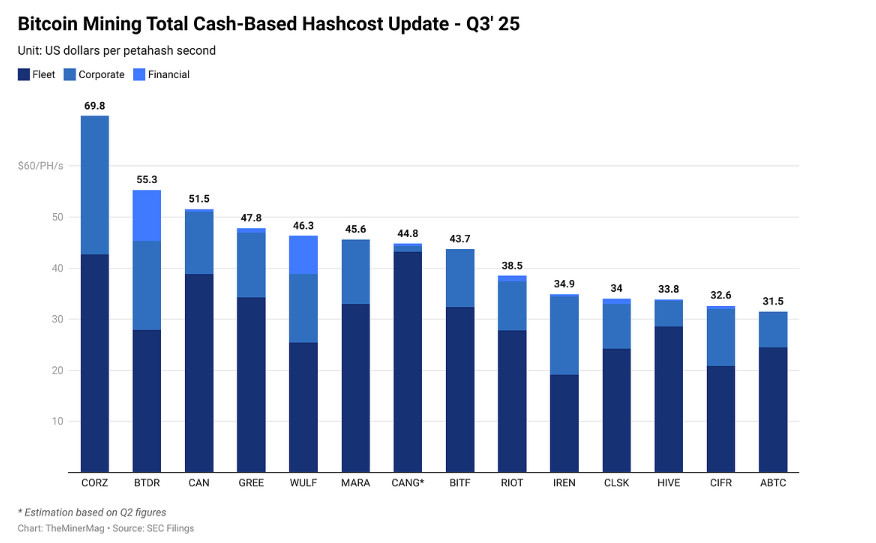
Bitcoin’s halving events, occurring roughly every four years, are designed to curb the supply of new bitcoins, inherently impacting miner revenue. The halving effectively halves the block reward, immediately squeezing miner profitability. TheMinerMag cited 2025 as potentially the “harshest margin environment of all time”, with declining revenue and increasing debt hindering operations. Even companies with substantial financial resources struggle to maintain profitability through mining alone. This immediate pressure is forcing a hard look at the economics of the business.
Diversification and Innovation: AI and HPC as Lifelines
In response to these challenges, miners are increasingly diversifying their operations. A growing trend is the repurposing of existing infrastructure for high-performance computing (HPC) and artificial intelligence (AI) applications. These sectors offer significant opportunities to monetize power, cooling, and data center capabilities beyond the limitations of pure Bitcoin mining. HIVE Digital Technologies was an early mover, starting its pivot toward HPC in 2022. Now, many public miners are following suit, including Core Scientific, MARA Holdings, Hut 8, Riot Platforms, TeraWulf, and IREN. Such strategic diversification is a significant shift, with AI and HPC providing revenue streams less directly tied to the volatile price of Bitcoin.
The Energy Equation and Fee Market Dynamics
Beyond diversification, the cost of energy is emerging as a crucial determinant of profitability. Low-cost energy, coupled with a solid strategy within Bitcoin’s transaction fee market, determines a miner’s ability to maintain sustainable margins. Bitcoin’s price still holds sway, but the focus is shifting. As block subsidies shrink and the difficulty of mining increases, controlling costs is critical. A miner’s future depends on their ability to optimize energy consumption and potentially leverage innovative solutions, such as renewable energy sources. This shift calls for a more nuanced approach to profitability, moving beyond simple hashrate accumulation.
Consolidation and the Evolving Mining Landscape
The Bitcoin mining sector is also undergoing a period of consolidation. The increased competition and the need for scale are driving mergers and acquisitions. Galaxy highlighted the trend in 2024, pointing to an acceleration in industry consolidation. Stronger players with financial resources and operational expertise are in a good position to grow through acquisitions or strategic partnerships. This consolidation is likely to continue into 2026, creating a more concentrated and competitive environment.
Volatility and the Stock Market: Risks and Rewards
Publicly traded Bitcoin miners also face risks associated with Bitcoin’s price volatility, impacting balance sheets and leading to shareholder dilution. Companies holding significant Bitcoin reserves experience magnified balance-sheet fluctuations. Moreover, miners often raise capital through equity-linked financing like at-the-market programs and secondary share offerings, especially during downturns. The year 2026 will likely see this trend continue, particularly if mining margins stay compressed. Companies with higher breakeven costs and aggressive expansion plans may have a tough time. Meanwhile, miners with lower breakeven costs and strong balance sheets are better equipped to limit shareholder dilution.
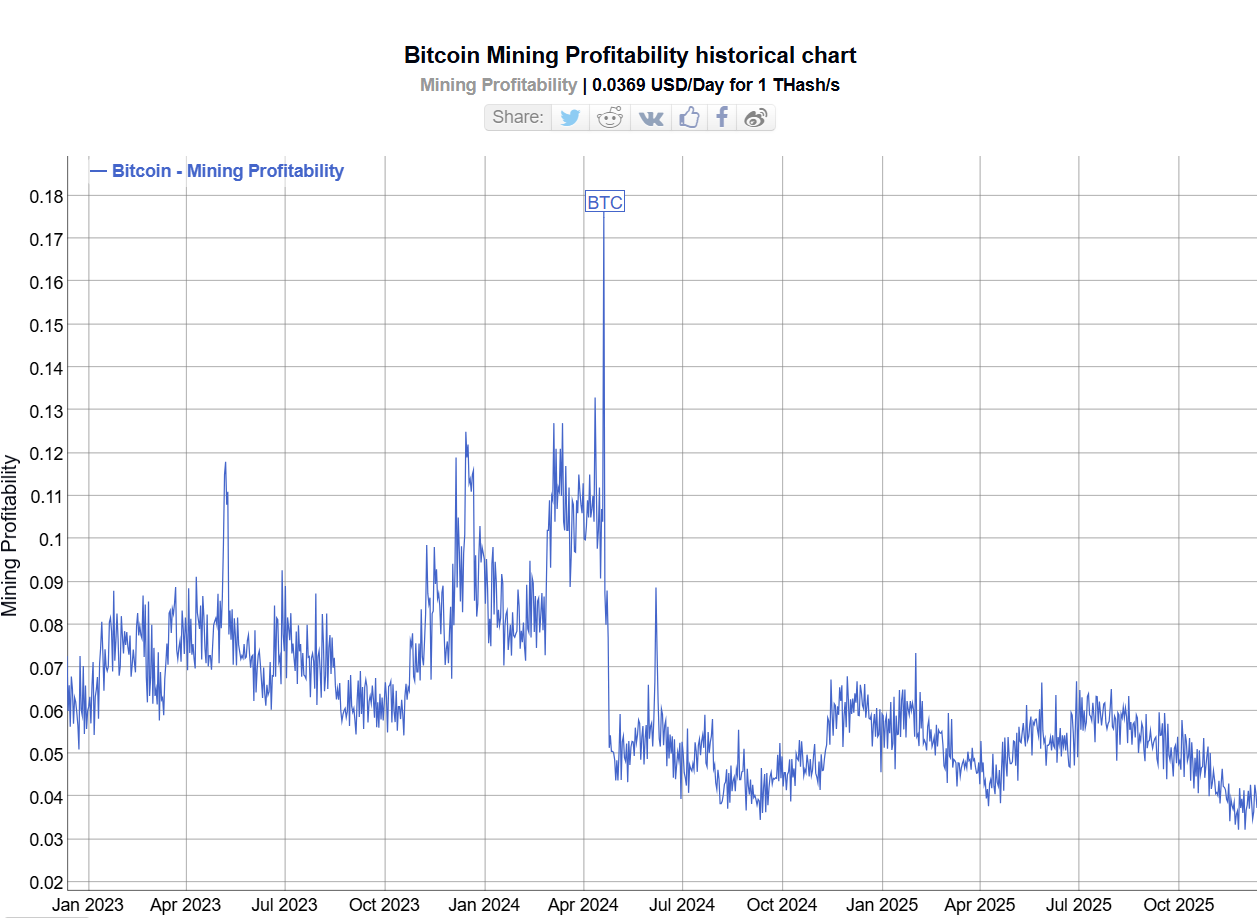
The choices miners make now, particularly in embracing new technologies and managing their capital, will significantly shape the industry’s landscape in 2026 and beyond.
The future of Bitcoin mining hinges on strategic choices, adaptability, and the ability to navigate an increasingly complex landscape.

