


Barclays Joins the Blockchain Bandwagon
In a move that could signal a significant shift in the financial landscape, UK banking giant Barclays is reportedly investigating the potential of blockchain technology for core banking functions. According to recent reports, Barclays is actively seeking a technology partner to develop a blockchain platform capable of handling payments, deposits, and even crypto-related applications, including stablecoins and tokenized deposits. This news comes as institutions across the financial sector increasingly explore the potential of digital ledger technology to modernize legacy systems and embrace the evolving crypto ecosystem.
Why Blockchain? Unpacking the Benefits
The allure of blockchain for traditional banking lies in several key advantages. The technology promises faster, cheaper, and more efficient payment processing, potentially streamlining cross-border transactions and reducing reliance on intermediaries. Tokenized deposits, for instance, could offer new ways to manage liquidity and enhance operational efficiency. As stablecoin adoption gains momentum, banks are recognizing the need to adapt and integrate these digital assets into their existing infrastructure. Furthermore, blockchain‘s inherent transparency and security features provide an added layer of trust and accountability, appealing to institutions seeking robust and reliable solutions.
Stablecoins and the Future of Banking
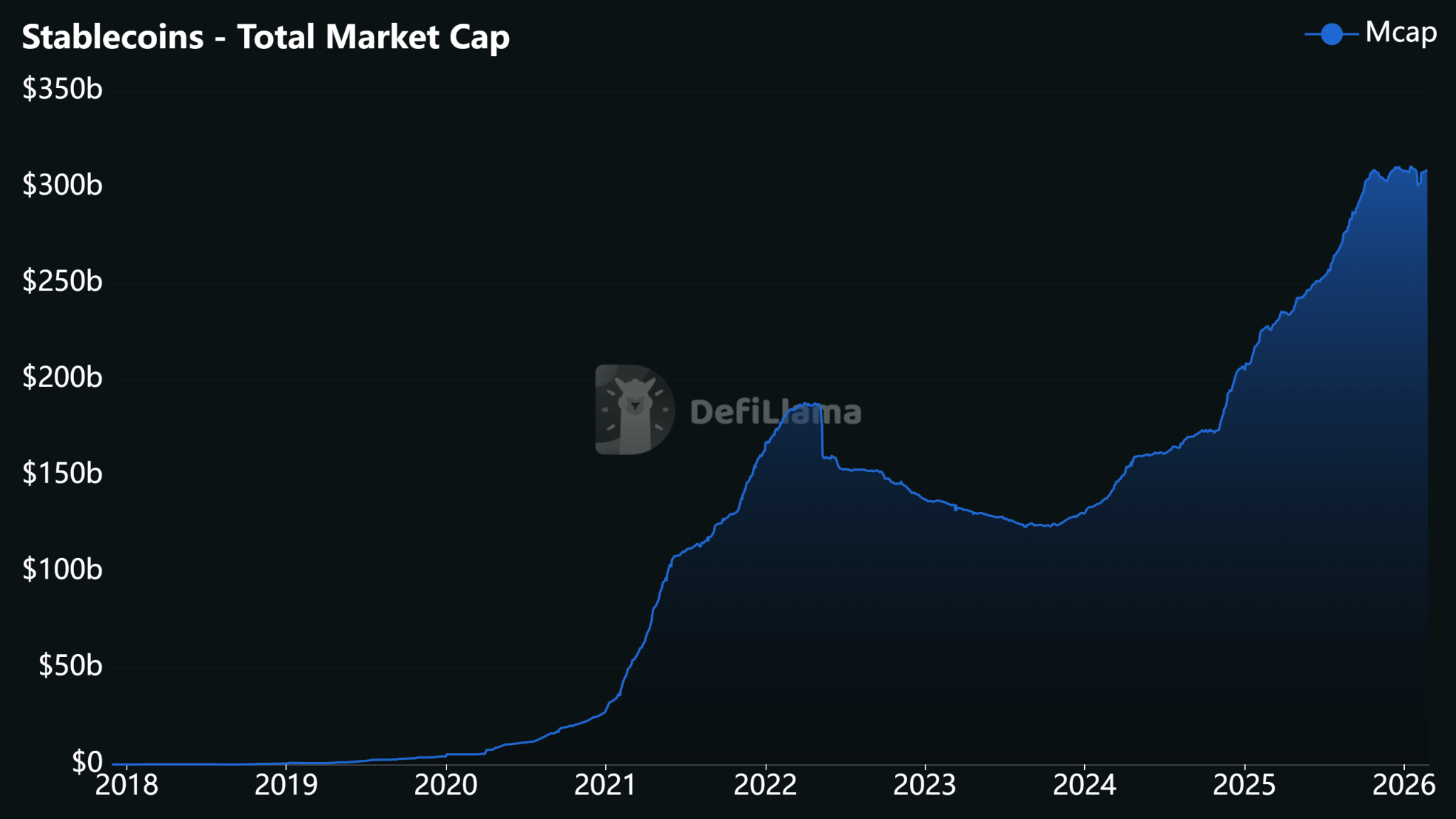
Barclays‘ exploration of blockchain is particularly timely given the growing interest in stablecoins. The combined market capitalization of stablecoins is approaching $310 billion, and this is a trend banks cannot afford to ignore. These digital assets, pegged to traditional currencies, offer a gateway to the broader crypto ecosystem. However, they also present both opportunities and challenges for traditional lenders. If widely adopted, stablecoins could potentially disrupt the traditional banking model by shifting liquidity away from conventional deposits and into tokenized alternatives. This underscores the need for banks to strategically position themselves within this evolving landscape.
The Competitive Landscape and the Role of Big Tech
The shift towards blockchain-based payments isn’t limited to the banking sector. Big tech companies like Meta are also revisiting their stablecoin ambitions, signaling renewed interest in this space. This creates a competitive environment for traditional banks like Barclays, which must innovate to retain relevance. For Barclays, this move could be seen as an effort to future-proof its business model and avoid being left behind as the financial landscape evolves. The bank’s reported investment in Ubyx, a stablecoin clearing platform, further indicates its commitment to this trend.

Looking Ahead: The Road to Implementation
While the details of Barclays‘ plans remain largely under wraps, the company’s move underscores the growing acceptance of blockchain technology within the financial sector. The selection of a technology provider, potentially as early as April, will be a crucial step in the process. The success of this initiative will depend on several factors, including regulatory clarity, technological interoperability, and the ability to integrate blockchain seamlessly with existing banking systems. As Barclays navigates this complex landscape, the financial world will be watching closely, anticipating a new era of blockchain-powered banking solutions.

