


The Authenticity Crisis: Navigating the AI-Generated Tide
The internet in 2026 is awash. Not with the creative spark of human ingenuity alone, but increasingly, with the echoes of algorithms. Artificial intelligence has unleashed a torrent of content, blurring the lines between the real and the synthetic, leaving users adrift in a sea of potentially fabricated information. The question now isn’t just *if* something is real, but *how* we can be certain.

The Fatigue of the Algorithm: A Human Craving
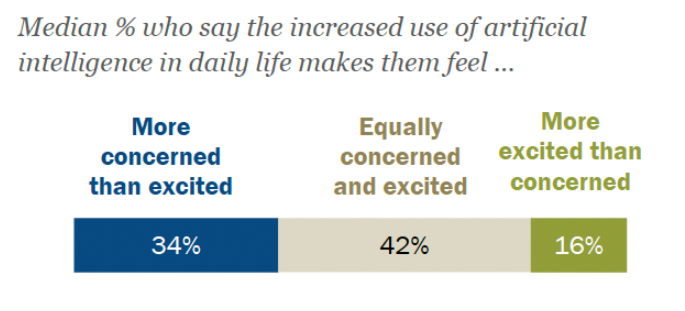
The initial wonder of AI-generated content is waning. Studies indicate a growing ‘AI content fatigue’, a collective weariness stemming from the sheer volume and often predictable nature of AI outputs. Experts suggest a shift towards a preference for human-crafted content, much like the rise in demand for locally-sourced food. This highlights the desire for transparency and a tangible connection to the source of information.
Blockchain: A Beacon of Provenance in a Murky World
Enter blockchain technology. This distributed ledger system offers a potential solution by establishing an immutable record of content origin. Unlike traditional methods of detecting fakes *after* they appear, blockchain-based systems aim to embed trust from the very beginning. Companies are developing solutions that fingerprint content at its creation, linking it to a verifiable digital identity that cannot be altered without detection. This approach, like Swear’s video-authentication software, is gaining traction by offering a proactive, future-proof approach to verifying the truth.
Beyond Detection: Establishing the Source
The core challenge lies not just in identifying AI-generated content, but in establishing the provenance of human-created work. Deepfakes and misinformation are not new, but AI has supercharged their scale and speed. Blockchain, with its ability to create a transparent, tamper-proof record, offers a promising way to verify the authenticity of original media. This is especially crucial in fields where content integrity is paramount, such as in legal investigations, journalism, and public safety.
The Road Ahead: Platforms and User Responsibility
As we navigate this evolving digital landscape, the responsibility falls on platform providers to provide tools to filter out synthetic content and surface high-quality, authentic media. The long-term success of the internet may hinge on the ability to distinguish between what is real and what is not, but also give users control over the content they consume. The current issue is not the creation of AI content per se, but the potential malicious intentions behind its creation. Without a concerted effort to establish verifiable trust mechanisms, the internet may continue to be overwhelmed with distrust.
The future depends on our ability to discern the real from the artificial.

