Mastercard Pioneers Stablecoin Integration with SoFiUSD
In a significant move demonstrating the growing influence of digital assets, Mastercard has announced a partnership with SoFi Technologies, integrating the SoFiUSD stablecoin as a settlement option for card issuers. This collaboration allows participating financial institutions to settle card transactions using a bank-issued digital dollar across Mastercard‘s global payments network. This development signifies a notable step towards mainstream acceptance of stablecoins within the traditional financial infrastructure.

SoFiUSD: A US-Regulated Stablecoin in Focus
The SoFiUSD stablecoin, issued by SoFi Bank, a US-nationally chartered and insured deposit bank, is a crucial component of this partnership. Backed 1:1 by cash reserves, SoFiUSD provides a regulated and transparent framework for transactions. Mastercard‘s Multi-Token Network is designed to support not only SoFiUSD but also fiat currencies, tokenized deposits, and other digital assets, paving the way for a more diversified payment ecosystem.
Implications for Card Issuers and Acquirers
The integration of SoFiUSD offers compelling advantages. Card issuers and acquirers gain the ability to settle transactions 24/7, accelerating the settlement process and potentially reducing operational overhead. SoFi‘s payments technology platform, Galileo, will enable its client banks and card issuers to utilize SoFiUSD, broadening its accessibility within the Mastercard network.
Beyond Settlement: Exploring Future Use Cases
Mastercard and SoFi are looking beyond simple settlement. They plan to explore additional applications, including:
- Cross-border remittances
- Business-to-business transfers
- Programmable treasury applications
- Stablecoin-enabled card programs
These initiatives indicate a strategic vision to leverage stablecoins for a broader range of financial services, subject to regulatory compliance and network rules.
Visa‘s Parallel Stablecoin Efforts
Mastercard‘s embrace of stablecoins follows similar initiatives by its competitor, Visa. Visa has already expanded its stablecoin settlement and payout infrastructure. This includes pilot programs for cross-border settlements using USDC and EURC. Visa has also introduced Visa Direct pilots, enabling businesses to send funds directly to recipients’ stablecoin wallets. These moves highlight a growing trend of payment giants incorporating digital currencies into their operational frameworks.
The Growing Stablecoin Landscape
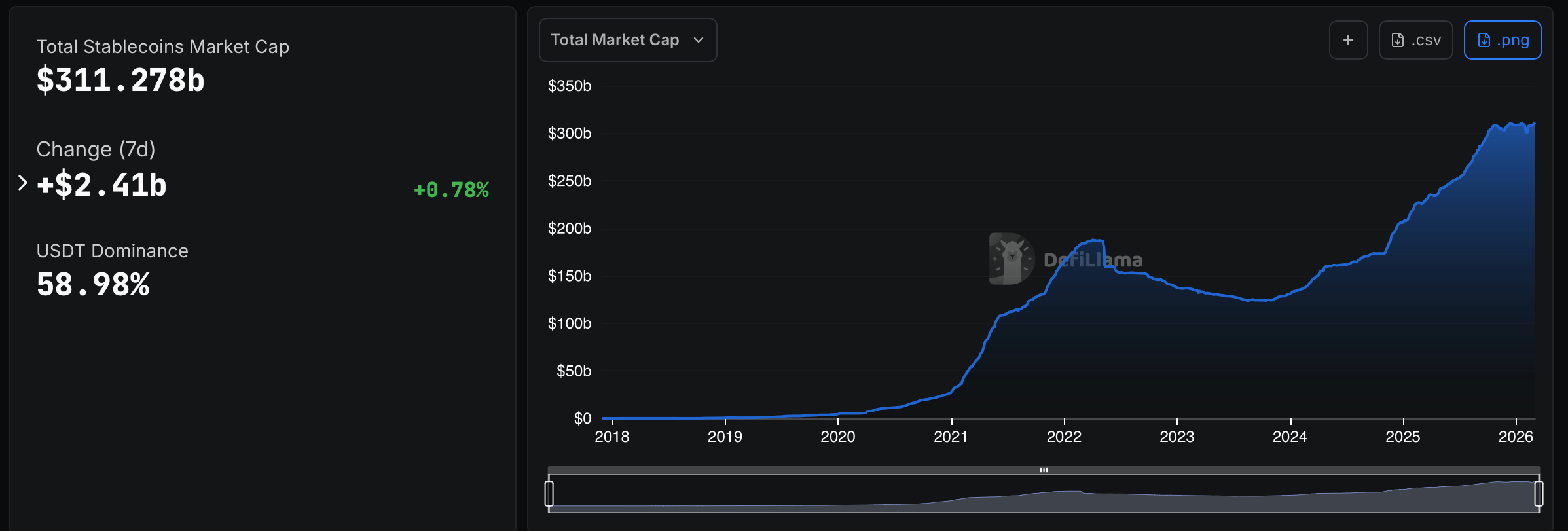
The total stablecoin market capitalization continues to grow significantly. The rise in transaction volumes and the exploration of new use cases by major payment networks indicate a promising future for stablecoins within the financial landscape. As the industry matures, expect further integrations and innovations that will reshape the way we transact and manage value.