


The 2026 Crypto Privacy Landscape: A New Era
As 2026 dawns, the crypto privacy landscape is undergoing a significant transformation. The initial fervor surrounding Bitcoin‘s perceived anonymity has long faded, replaced by the stark reality of traceable transactions on transparent blockchains. This evolution has sparked an ongoing ‘arms race’ between privacy advocates, on-chain surveillance entities, and regulators, leading to complex legal battles and the emergence of innovative solutions.

The Privacy Imperative: Beyond Anonymity
The core challenge is balancing the need for privacy with the demands of compliance. This means creating tools that shield user activity while simultaneously addressing concerns about illicit activities. The year 2025 served as a prelude, laying the groundwork for more sophisticated tools in 2026. This shift towards ‘pragmatic privacy’ represents a critical evolution.
Three Layers of Crypto Privacy
Understanding crypto privacy requires considering three key layers:
- Protocol Layer: Where technologies like Layer 2 solutions (L2s), privacy coins (Monero, Zcash), and custom transaction formats obfuscate sender, recipient, and transaction amounts.
- User Layer: The realm of individual practices: wallet choices, address reuse, device security, network habits (VPNs, Tor), and overall operational security (OpSec).
- Perimeter Layer: This is where fiat on- and off-ramps (exchanges, banks), stablecoin issuers, and analytics firms create a privacy bottleneck by connecting blockchain activity to real-world identities.

The Rise of Pragmatic Privacy Tools
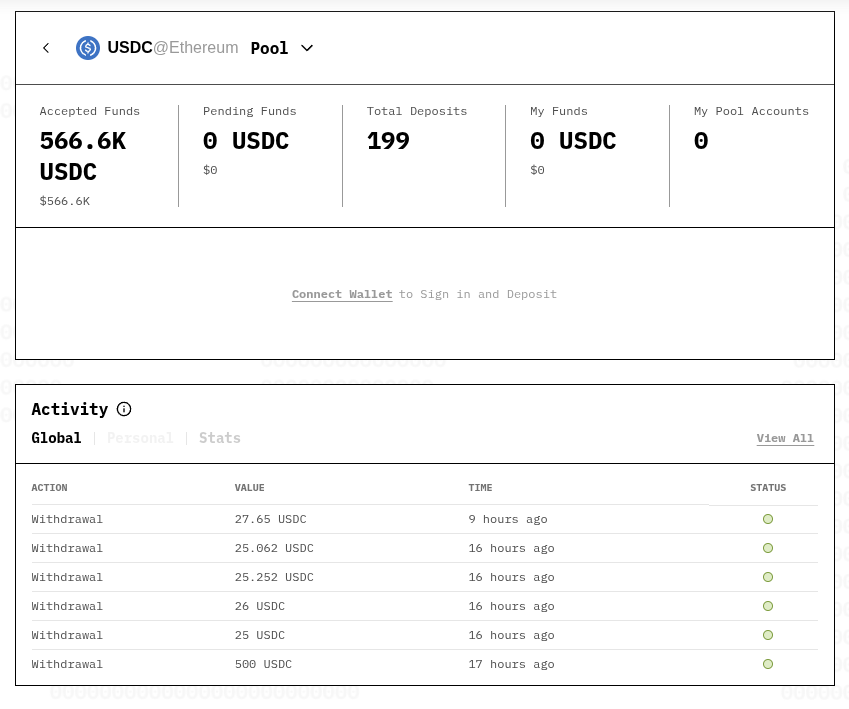
One of the most promising developments in 2025 and expected to gain traction in 2026 is the emergence of tools that support ‘pragmatic privacy’. These include solutions like Privacy Pools and the upcoming Aztec mainnet. These tools offer enhanced privacy while also providing mechanisms for proving compliance with sanctions, often through zero-knowledge proofs (ZK-proofs) and selective disclosure. The aim is to create systems that can satisfy both privacy and regulatory requirements. The use of ZK-proofs enables users to prove compliance without revealing the underlying transaction details.
Navigating the Compliance Maze: Key Considerations
The regulatory landscape is a significant challenge. The cases involving Tornado Cash and Samourai Wallet highlight the risks for developers and users. To navigate this complex environment, it’s crucial to understand the areas of concern for regulatory bodies, which often include:
- Centralized Control: Avoid designs that grant excessive control to any single entity.
- Custodial Services: Minimize involvement with custody of user funds.
- Profit Motive: Reduce profit extraction from transactions.
- Targeting Sanctioned Entities: Avoid promoting services to sanctioned users or regions.
“Total decentralization and lack of control by the builder are essential design choices.”
According to legal experts, projects should aim for a fully decentralized, open-source model and be structured to avoid being classified as a financial service provider.
Beyond Protocols: User-Level and Perimeter Security
While protocol-level privacy is crucial, user-level security remains equally important. Users need to be aware of their own practices, including wallet choices, and network security. Additionally, the perimeter layer must be addressed. Solutions like Nym, a decentralized mixnet that provides network-level anonymity, are gaining traction. Nym aims to protect against traffic analysis, a method of surveillance. These are important tools that could become vital in 2026. Furthermore, secure and encrypted communication platforms like Signal, and privacy-focused document solutions like Fileverse, further enhance privacy across the entire stack.
The Future of Privacy: A Constant Evolution
The evolution of crypto privacy is an ongoing process. As technology advances and regulations evolve, the tools and strategies for protecting privacy must adapt as well. The trends of 2025 suggest the coming year will witness increased innovation. The need to balance anonymity with compliance will remain the central focus, shaping the future of crypto privacy.

