

Spanish Red Cross Embraces Blockchain for Humanitarian Aid
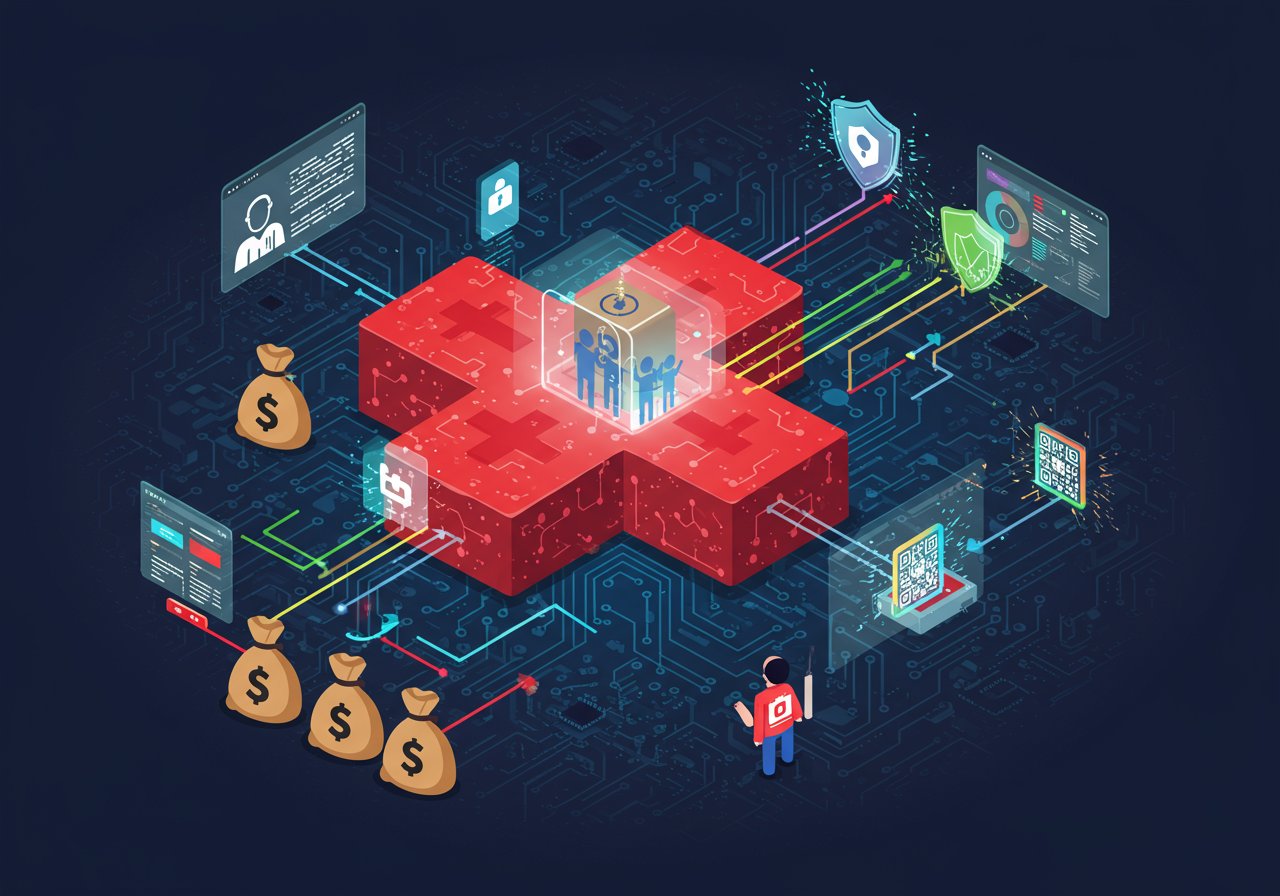
In a significant move for blockchain adoption in the humanitarian sector, the Spanish Red Cross has launched RedChain, a novel aid distribution platform. This initiative leverages the power of blockchain technology to enhance transparency for donors while simultaneously safeguarding the privacy of aid recipients. This represents a critical step towards building trust and accountability within the complex world of international aid.

Privacy-Preserving Blockchain: The Core of RedChain
RedChain, developed in collaboration with BLOOCK and Billions Network, utilizes the Ethereum blockchain as a verification layer. Instead of storing sensitive beneficiary data on-chain, the platform employs a hybrid approach. This means beneficiary information, like names and contact details, remains securely stored off-chain within the Red Cross‘s internal systems. The blockchain primarily records transaction hashes and timestamps, creating immutable proof of aid allocation and spending. This structure allows donors to track the flow of funds without ever accessing personal beneficiary information.
How RedChain Works: From Donation to Disbursement
The system replaces traditional paper vouchers and prepaid cards with ERC-20 aid credits. These credits are delivered to beneficiaries’ mobile wallets and can be used at participating merchants via QR codes. This streamlined approach aims to provide a seamless experience for recipients, making transactions indistinguishable from regular purchases. This is a crucial design choice, as it avoids stigmatizing aid recipients within their communities.
The Spanish Red Cross‘s RedChain initiative highlights the potential of blockchain to revolutionize humanitarian aid. By balancing transparency with privacy, this platform offers a viable solution to the challenges of modern aid distribution and could pave the way for wider blockchain adoption in the non-profit sector. It will be interesting to watch how this platform scales and how other humanitarian organizations respond to this new approach to aid delivery.

